
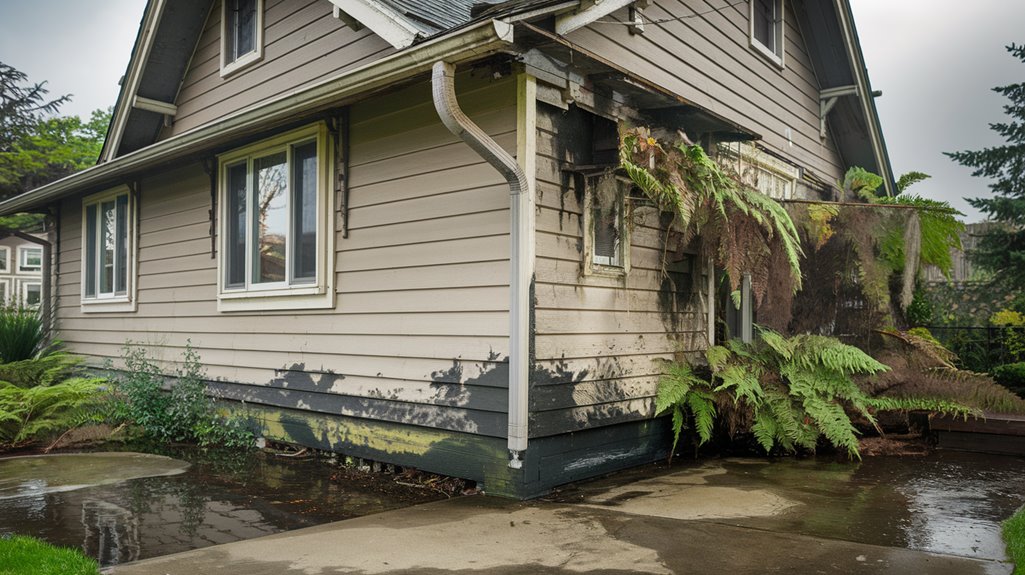
Imagine discovering black mold creeping along your Oregon home’s basement walls after heavy rains. This alarming find raises health risks and structural issues. Selling a house with mold or water damage feels daunting. The challenge of finding buyers looms large. It’s a stressful situation for any homeowner.
Now, consider the impact on potential buyers who might walk away due to these risks. Mold can cause allergies or worse. Water damage weakens your home’s foundation. The fear of costly repairs can scare off even interested parties. But don’t panic—there’s a way forward with the right guidance.
I’ll show you how to sell a house with mold or water damage in Oregon. From legal duties to repair tips, I’ve got you covered. Together, we’ll navigate this tricky sale successfully. This blog will guide you through every step to solve this tough problem effectively.
Key Takeaways
- Understand Oregon’s disclosure laws to reveal mold or water damage to buyers.
- Consider selling as-is to cash buyers for a quick transaction.
- Hire professionals to assess and document the extent of damage.
- Adjust pricing based on damage severity and local market trends.
- Provide repair records to build trust with potential buyers.
Understanding Mold and Water Damage Impact
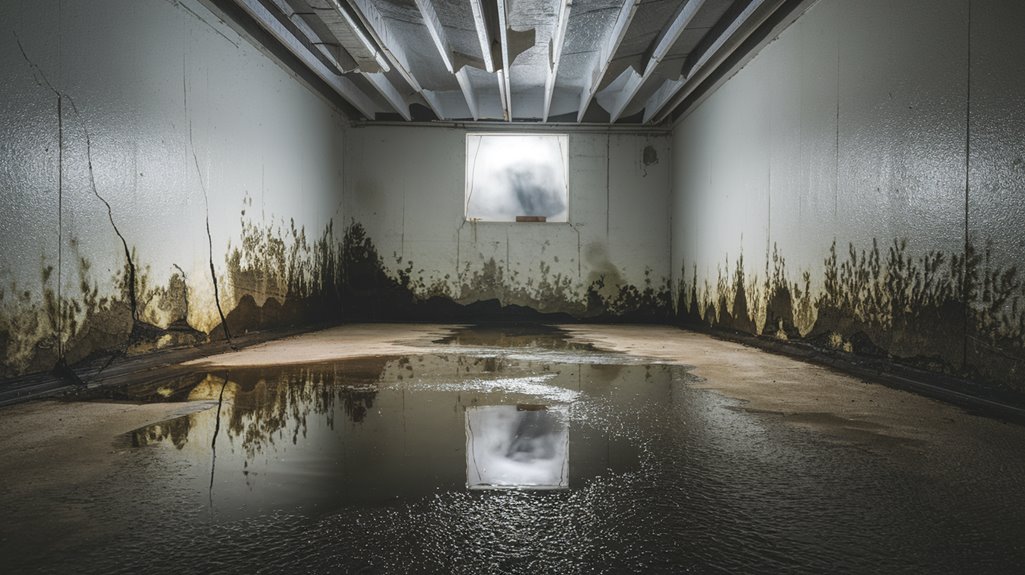
Mold and water damage can greatly lower your home’s market value in Oregon. Buyers often avoid such properties, fearing expensive repairs. If issues persist, they might offer less or walk away completely.
These problems also harm indoor air quality with mold spores. Such conditions could pose serious health risks to residents. If you ignore them, the damage may worsen over time.
Living in a damaged home can cause stress and worry. If you’re selling, buyers may doubt the home’s safety. Acting quickly is crucial to ease these concerns. With OR Home Buyers, you can sell fast and avoid stress. Transparent disclosure of mold remediation efforts can help build trust with potential buyers.
Types of Water Damage and Mold Issues
As you assess water damage and mold in your Oregon home, recognize that structural damage can weaken your property’s foundation, while hidden problems might lurk behind walls, posing risks you can’t immediately see. You’ve gotta consider health concerns too, since mold can trigger respiratory issues or allergies for you and potential buyers. Also, check your insurance coverage, as it may not always cover these issues, impacting your sale strategy. Additionally, be aware that Oregon’s wet winters and expansive clay soils can exacerbate foundation issues related to water damage.
Structural Damage
Structural damage in your Oregon home can seriously affect safety and property value. Water damage often weakens foundations, causing cracks. Mold issues might develop if moisture persists, harming your home. In Oregon’s earthquake-prone area, seismic risks are high. If tremors strike, existing damage could worsen significantly.
Inspect beams, walls, and floors for rot or warping from water. Act quickly if you notice any issues. Delaying repairs may make your home unsafe for living. Buyers might avoid properties with visible structural problems. Ensure you repair and reinforce to protect your Oregon home.
Health Concerns
Water damage in your Oregon home can cause serious health issues from mold and poor air quality. If ignored, mold spores may spread, leading to allergies, asthma, or breathing problems. You must act quickly to safeguard your family’s well-being.
Here are key health risks linked to water damage and mold:
- Breathing Issues: Mold exposure can worsen lung problems, making daily tasks harder for you.
- Allergic Symptoms: You could experience sneezing, itching, or rashes from mold contact.
- Eating Challenges: If fatigue from mold hits, your healthy diet might suffer.
- Limited Activity: Poor air can reduce your ability to exercise, lowering fitness gains.
Take swift action to protect everyone’s health from these dangers.
Hidden Problems
Hidden issues in your Oregon home can cause serious trouble if ignored. Water damage and mold often hide behind walls or under floors. They weaken your property’s structure without any visible signs. Slow leaks from pipes might create rot over time. Dampness in crawl spaces could lead to mold growth.
Legal issues may also complicate repairs or renovations. Zoning restrictions might limit what you can fix on your property. Easement problems could block access to damaged areas. If you uncover these issues early, you can avoid bigger headaches. Address them quickly to maintain your home’s value and appeal.
Insurance Coverage
Understanding insurance coverage for water damage and mold in your Oregon home is vital. It protects your property investment. Know what your policy includes before any issues arise. Homeowner’s insurance often excludes specific water and mold damages. You might need extra riders for full protection.
Here are key points to review:
- Flood Damage: Standard policies usually skip flood coverage. You’ll need separate flood insurance if at risk.
- Sudden Leaks: Burst pipes may be covered if sudden. Gradual leaks often aren’t included.
- Mold Growth: Coverage is limited for mold. It’s only covered if linked to a covered water event.
- Policy Exclusions: Check the fine print carefully. Hidden limits on claims could surprise you.
Equip yourself with this info to prevent expensive shocks.
How to Address Mold and Water Damage
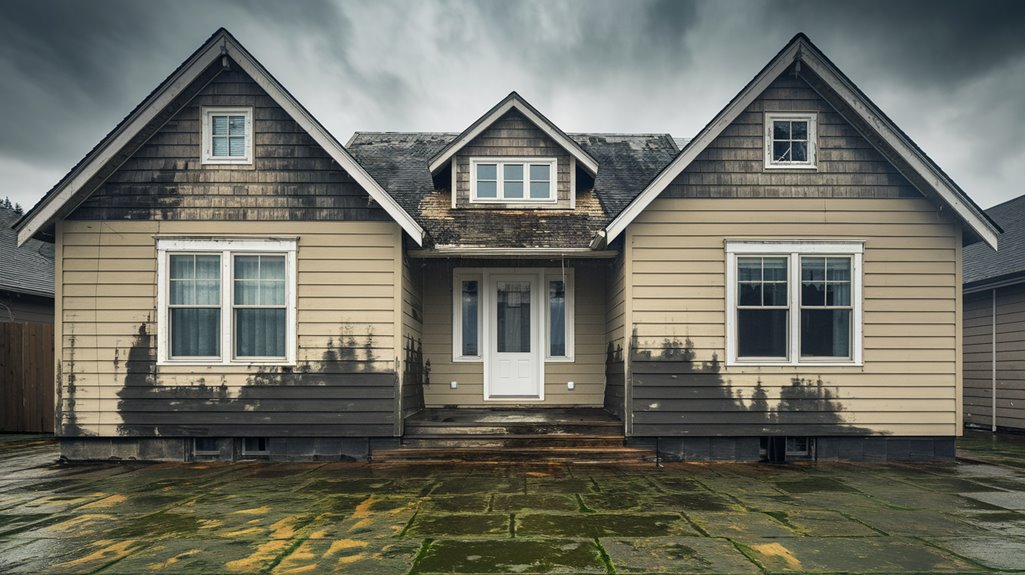
If you’re dealing with mold and water damage in your Oregon home, start by getting a professional assessment to pinpoint the extent of the issue. Then, investigate remediation options and analyze the costs to ensure you’re making an informed decision about repairs. Finally, make sure you’ve got thorough documentation of all damage and repairs, as this is crucial for transparency when selling. Additionally, be aware that Oregon law requires full disclosure of property issues, including past damage like fire damage disclosure, to potential buyers.
Professional Assessment
Dealing with mold and water damage in your Oregon home needs a professional assessment to find the problem’s extent. A skilled inspector can spot hidden risks like mold or structural issues with accuracy. If you skip this step, you might miss serious threats to your home.
Here’s how to get a dependable evaluation:
- Hire Skilled Pros: Pick experts who know mold and water damage well.
- Verify Training: Ensure they have proper education and updated skills.
- Ask for Recommendations: Use trusted contacts to find reliable inspectors.
- Demand Clear Reports: Request detailed results to grasp the full damage.
With this knowledge, you can tackle the problem with confidence.
Remediation Options
After finding mold and water damage in your Oregon home, act quickly to fix the issues. Start by isolating affected areas to stop further spread. You have good choices to solve this problem well.
If you care about the environment, try eco-friendly methods first. These use safe, non-toxic solutions to remove mold. Alternatively, explore modern tools like dehumidifiers and thermal imaging. They help find and dry hidden moisture accurately. If you pick any method, always hire certified experts for the job. Act fast to make your home safe and ready for buyers.
Cost Analysis
Let’s dive into the costs of fixing mold and water damage in your Oregon home. You must balance repair expenses with potential gains when selling. Knowing the numbers helps you decide smartly.
Consider these vital financial points:
- Repair Costs: Plan for professional mold and water damage repairs, as costs vary by damage level.
- Tax Deductions: See if repair costs qualify for deductions to lower your financial load.
- Financing Options: If borrowing for fixes, compare interest rates to keep costs down.
- Market Impact: Check how repairs could boost your home’s value in Oregon’s tough market.
If you plan carefully, your investment stays safe.
Documentation Needs
When selling your Oregon home with mold or water damage, documentation is key. It shows transparency to buyers. Gather all records to prove the issues were handled well. Start with Tax Records for property history and repair deductions. Include invoices from professionals who fixed the mold or water damage. Ensure certificates from these experts are ready too.
If renovations needed temporary moves, check for Moving Permits. Keep inspection reports to confirm your home’s condition. Detailed repair records can also help avoid legal issues. With proper documents, buyers will trust your honesty. If issues arise, these papers could protect you. Proper records ensure a smoother selling process.
Legal Requirements for Selling
When selling a house with damage in Oregon, you must understand the legal requirements to avoid possible issues. Make sure you’re aware of disclosure laws, inspection requirements, health regulations, and insurance claims to stay compliant with state rules. By addressing these critical aspects, you’ll protect yourself and ensure a smoother transaction. Additionally, thorough property disclosures are essential to build trust with buyers and prevent legal disputes.
Disclosure Laws
Understanding Oregon’s disclosure laws is vital when selling a damaged house. Sellers must reveal known issues like mold or leaks. If you hide problems, you could face lawsuits or fines. Oregon requires a property disclosure statement about the home’s condition.
Here are key tips to follow:
- Be Truthful: Always share known defects to stay out of trouble.
- Keep Records: Document all damage and repairs for clear proof.
- Submit Form: Provide the needed disclosure statement to potential buyers.
- Get Help: If unsure, consult a real estate expert for advice.
Inspection Requirements
Handling Oregon’s inspection rules is vital when selling a damaged house. You must meet legal standards before closing. General inspections are often expected to spot issues like mold. Buyers might request them, and agreeing is smart. If they find problems, you should address or disclose them.
Code compliance is a must for your home. It needs to follow local building codes. If damage risks safety, fix it quickly. Failing this can delay your sale. Legal issues might arise if ignored.
Stay proactive and keep records of everything. Consult experts if you face challenges. This ensures a smooth process.
Health Regulations
When selling a damaged house in Oregon, you must follow Health Regulations. These rules protect buyers from hidden dangers. If you ignore them, your sale could face delays or legal issues. Oregon’s Environmental Policies also ensure safe living spaces. Stay updated and comply to avoid problems.
Here’s what you need to focus on under Health Regulations:
- Disclose health risks – Tell buyers about mold or water damage honestly.
- Share cleanup proof – Provide records of any professional hazard removal.
- Obey state rules – Follow Oregon’s strict Environmental Policies carefully.
- Protect buyer safety – Fix dangers before finalizing the sale.
Insurance Claims
Insurance claims can directly impact the sale of a damaged home. If a claim is denied, buyers might feel uneasy. They may worry about no coverage or repairs. Sellers must reveal denied claims to stay legal. This ensures honesty about the home’s true condition.
If policy renewal happens during the sale, issues could arise. Insurers might inspect damage and raise premiums. They could even refuse to renew the policy. Sellers should act fast to settle claims. If unresolved, consider buyers like OR Home Buyers. They buy homes as-is, simplifying insurance troubles.
Options for Selling Water-Damaged Houses
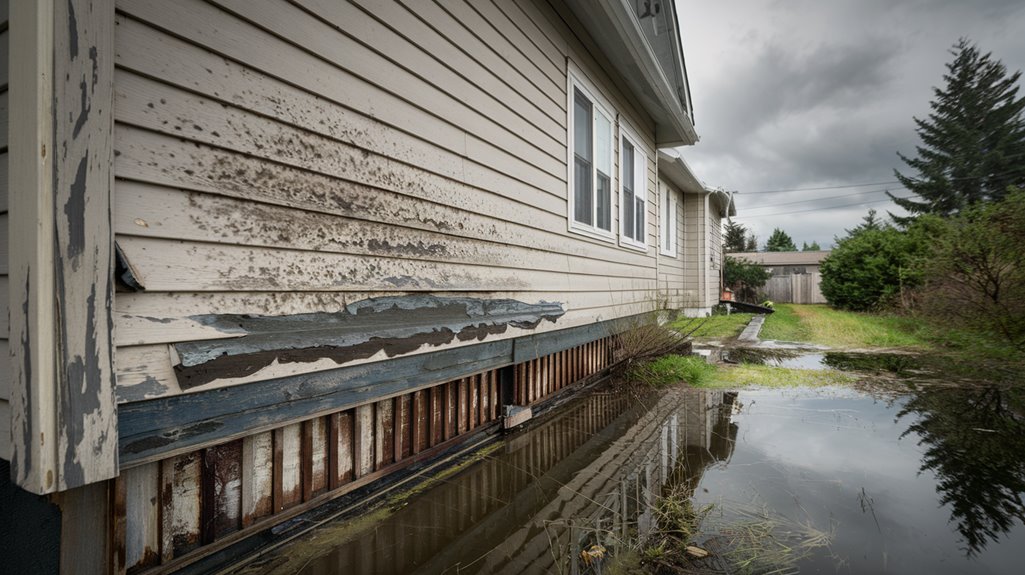
If you’re selling a water-damaged house in Oregon, you’ve got several solid options to consider, including as-is sales, post-remediation sales, and price adjustments based on the damage extent. You can also target specific buyer types, like cash buyers or investors, who often see value in properties others might pass on. Let’s examine how these strategies can work for you and maximize your sale potential. Additionally, conducting a professional damage assessment can help determine the true extent of repairs needed and guide your selling strategy.
As-Is Sales
Selling a water-damaged house in Oregon “as-is” is a simple and fast option. It helps you avoid expensive repairs and long delays. You can quickly connect with buyers ready for the challenge. If you choose this, the sale becomes straightforward.
Here’s why this method might suit you:
- Fast Deals: You can close sales quickly without waiting for fixes.
- Investor Interest: Many cash buyers want damaged homes for renovation projects.
- Zero Repair Costs: Avoid spending money on fixing water damage before selling.
- Clear Communication: If issues are shared upfront, trust grows with buyers.
Post-Remediation Sales
Selling a water-damaged house in Oregon after remediation is possible with the right steps. You’ve fixed the damage already. Now, focus on selling with confidence. If buyers worry, offer Warranty Extensions for peace of mind. These can make your home more attractive.
Another option is using smart Marketing Tactics to show the repairs. Use before-and-after photos in your listings. Share clear repair documents with potential buyers. Highlight the home’s improved state in all ads. If speed matters, work with trusted cash buyers like OR Home Buyers. With these ideas, your property becomes a great choice for buyers.
Price Adjustments
Selling a water-damaged house in Oregon means adjusting your price to draw buyers. You must evaluate the damage and match your asking price to market trends. If you underprice, it might attract interest, but balance is key. Use smart negotiation skills to explain your price and handle repair worries.
Here are simple steps for pricing success:
- Check similar home sales nearby to understand market trends.
- Include repair costs clearly when setting your price.
- Choose a fair starting price to encourage offers.
- Apply strong negotiation skills to finalize the sale.
With a proper price, you can manage Oregon’s market and achieve a fair deal.
Buyer Types
Finding the right buyer for a water-damaged house in Oregon starts with knowing buyer types. Individual investors often buy fixer-uppers to repair and sell for profit. Cash buyers, like OR Home Buyers, purchase homes as-is for quick sales. They ensure a fast process with fair pricing. If speed matters, these buyers could be your best option.
Real estate wholesalers also help by connecting sellers to buyers swiftly. They focus on specific market areas for fast deals. If ease is key, wholesalers might work well for you. Analyze each buyer type to match your priorities. This way, selling your damaged home becomes confident and efficient.
Get a Fair Offer on Your Damaged House from OR Home Buyers
Have a damaged house in Oregon? You can still get a fair price with OR Home Buyers. We buy properties in any state. No need to stress about repairs. Our process is simple and quick. We handle all the paperwork too.
Here’s why selling to us works well:
- Fair Pricing: We evaluate your home’s worth correctly, even if it’s damaged.
- Skip Repairs: Sell your house as-is and save effort.
- Quick Cash: If you need money fast, we close deals swiftly.
- Helpful Team: Our experts support you at every stage.
Choose OR Home Buyers for an easy sale. If issues arise, we’ll solve them fast. Trust us for a fair deal. We also provide fast cash offers within 24 hours to ensure you get the funds you need quickly.




Hi, I’m Bob Bash, founder of OR Home Buyers, serving the Oregon community since 2017. We provide full-service real estate solutions, specializing in cash purchases for both residential and commercial properties. I started this business to help our community navigate difficult real estate situations with professionalism, ethics, and compassion.
My goal is simple: to make every client feel relieved and happy when their real estate challenges are resolved. Helping people find solutions and peace of mind is what drives me every day.