
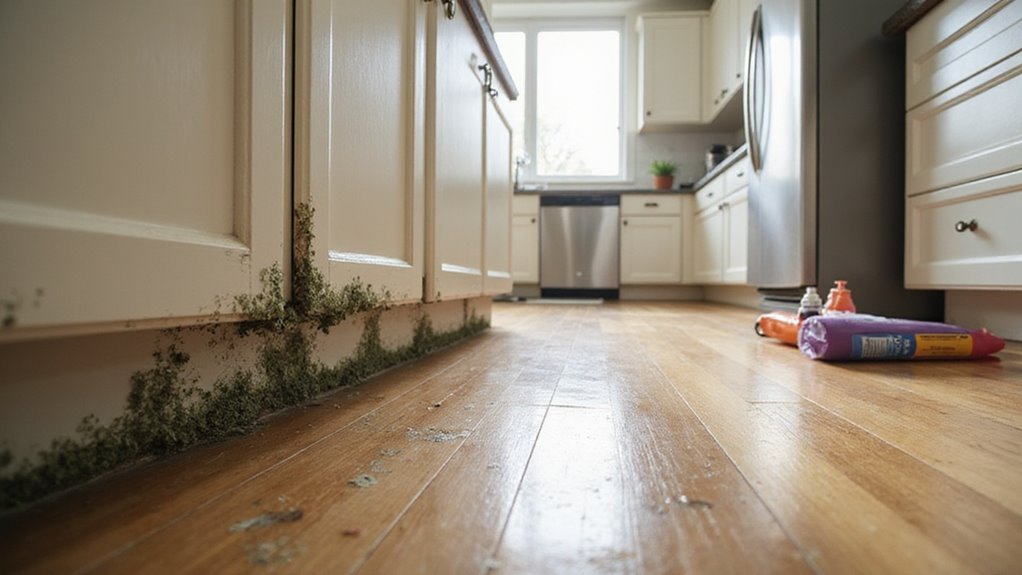
Mold is a common issue that many homeowners face when preparing to sell their property. It can show up in basements, bathrooms, or even inside walls. Left untreated, mold not only looks bad but also raises health and safety concerns for buyers.
Buyers today are cautious and often walk away from homes with visible mold. Even small patches can turn into a big negotiation problem or lower your home’s value. Mold may also lead to legal trouble if it is not disclosed or fixed before the sale.
You should always remediate mold before selling your home to protect yourself and attract more buyers. Properly handling mold makes your property safer and more appealing.
It also helps the sale go smoothly and reduces the risk of future problems. This blog will guide you through the steps to solve mold issues and sell your home with confidence.
Key Takeaways
- Remediating mold before selling boosts property value and attracts more buyers by presenting a safer, healthier home.
- Addressing mold early ensures legal compliance and reduces risk of lawsuits or canceled sales due to non-disclosure.
- Professional mold remediation provides documentation that reassures buyers and supports smoother, faster transactions.
- Fixing mold issues ahead of listing limits buyer negotiation power for price reductions or repair credits.
- Removing mold prevents health concerns, strengthens your negotiation position, and helps avoid last-minute sale delays.
Understanding Mold and Its Causes
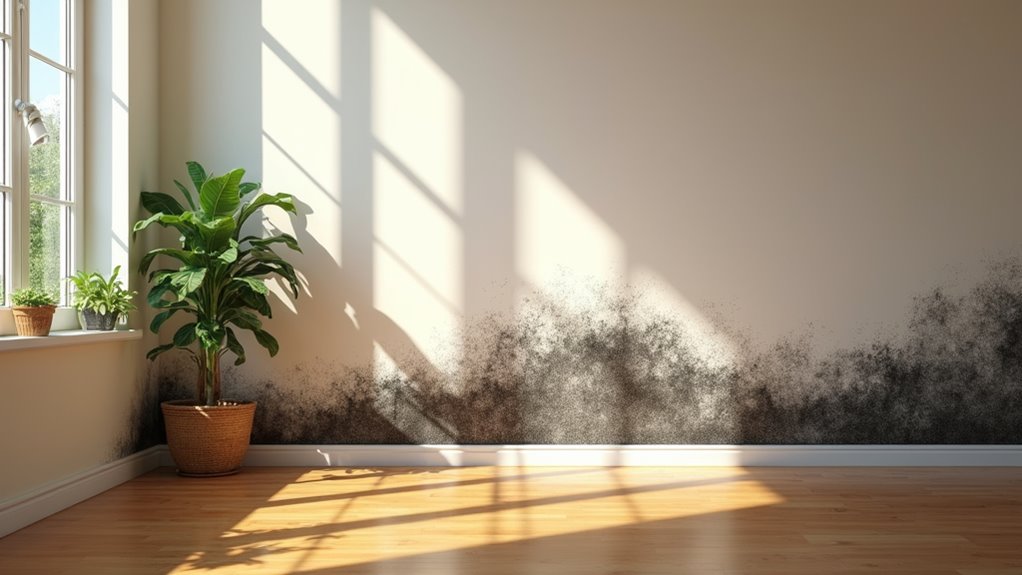
Mold grows when there is too much moisture in a home. Common causes include water leaks, poor airflow, and high humidity. Sellers should know these risks to protect their property value. Mold is not just a surface problem. It often points to deeper issues that can affect a sale.
If sellers ignore it, they might face legal trouble. Oregon’s property disclosure requirements require sellers to honestly report any known mold issues to buyers. Regular maintenance and controlling moisture can prevent mold. If you plan to sell, consider testing for mold before listing. This step may help you avoid problems with buyers.
Addressing mold early can raise buyer confidence. It can also reduce the risk of price negotiations. Sellers must disclose mold issues to meet legal rules. When selling your home, it’s important to understand Oregon real estate laws to make sure you comply with disclosure and sale requirements.
Common Areas Where Mold Appears in Homes
Mold often appears in places with moisture and poor airflow. Bathrooms, kitchens, and basements are the most common spots because they get damp often. Attics, laundry rooms, and HVAC systems can also have mold if there are leaks or high humidity.
Buyers usually check these areas for mold or water damage during home inspections. Visible mold can lower your property value and make selling harder. Some states require you to tell buyers about any mold you know about. It’s important to note that Oregon’s disclosure requirements obligate sellers to reveal known material defects, including mold issues, to potential buyers.
If you inspect and fix mold early, you can avoid bigger problems later. This action shows buyers that you take care of your home. It may also help your sale go more smoothly. Getting a professional inspection can accurately reveal hidden mold and water issues and help you make informed decisions before selling.
Health Risks Associated With Mold
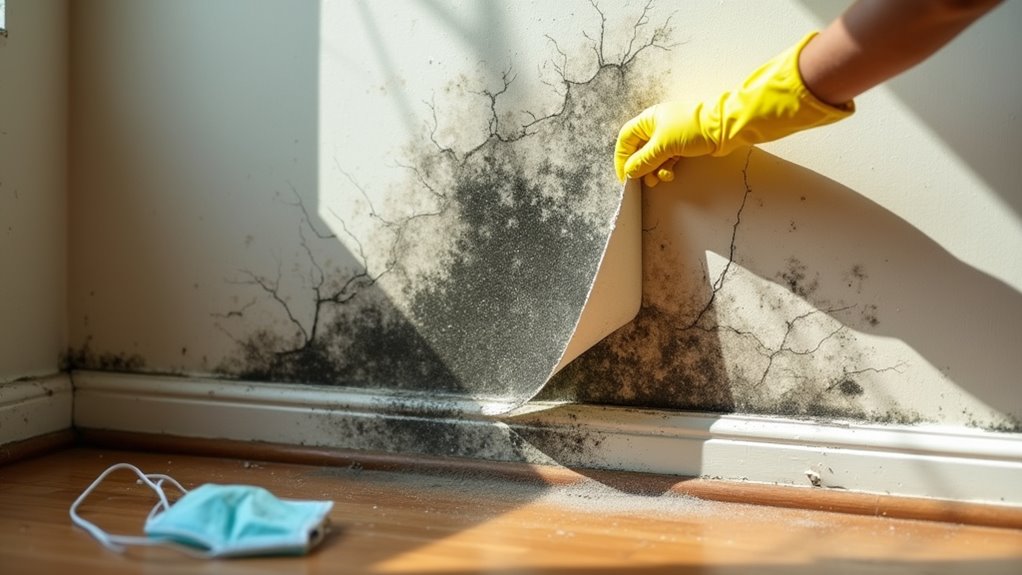
Mold can cause health problems for anyone living in the home. Airborne mold spores lower indoor air quality and may cause illness. If you ignore mold, you could face legal trouble.
Buyers know about indoor air quality and often check for mold. They worry about issues like asthma, allergies, and coughing. Mold can also make buyers fear hidden repair costs. Selling a home with unresolved mold issues might result in capital gains tax implications if it delays the sale or affects the property’s value.
If sellers do not fix mold problems, deals may fall through. Proactively handling mold helps protect your sale and your reputation. Inspectors and buyers will notice any mold issues.
Addressing mold promptly can also improve your chances of benefiting from Oregon’s real estate market trends and help ensure a quicker sale.
How Mold Can Impact Your Home’s Value
When mold is present, you’ll find your property attracts fewer buyers and appraisals often come in lower than expected. Buyers may use existing mold issues as advantage to negotiate steep price reductions or demand costly repairs before closing. You’re also legally required to disclose known mold problems, which can further impact your home’s value and marketability.
In Oregon, addressing mold is especially important because property condition plays a significant role in determining your listing price and overall appeal to potential buyers. If the home is inherited, failing to remediate mold could complicate the probate process in Oregon and reduce your returns, as disclosures and property condition are closely scrutinized under state law.
Decreased Property Marketability
Mold problems can make your home hard to sell. Buyers often avoid homes with visible mold or a mold history. Even small mold issues can lower your home’s value.
If you list a home with mold, expect fewer buyers and less interest. Some buyers may ask for a lower price or walk away. Mold concerns can also lead to longer time on the market.
You must legally tell buyers about any known mold problems. Failure to disclose can cause legal trouble after the sale. Homes with mold history usually get fewer offers.
If you prevent mold before selling, you can attract more buyers. Proactive mold care can help your home sell faster and for a better price.
Lower Appraisal Outcomes
The presence of mold will likely lower your home’s appraised value. Appraisers look for signs of mold and report any issues they find. If they see mold, they often decrease the value to reflect repair costs and health concerns.
Mold can make your home less appealing to buyers and lenders. If you do not fix the problem, you might face legal issues about disclosure. Addressing mold before an appraisal can help protect your home’s value and improve your chances of selling.
Negotiation Leverage for Buyers
If mold is found in your home, buyers gain strong negotiation power. Mold often means there could be hidden problems or legal risks. Buyers use this to push for better terms.
Buyers may ask for a lower price to cover mold removal costs. Some will request money back or credits for repairs. If buyers think mold removal will be expensive, they may ask for even more.
Many buyers add special conditions to the sale contract. These let them walk away if the mold is not fixed well. If you do not deal with mold early, your chance of a smooth sale drops.
Mold can affect both health and property value. If you ignore mold, buyers will have more control in talks. Addressing mold before selling helps keep negotiations fair.
Legal Requirements for Mold Disclosure
Most states require you to tell buyers about any known mold problems. You must also share any mold tests or environmental risks. If you hide this information, you risk lawsuits or a canceled sale. Understanding how code violations in Oregon affect your obligations can help you avoid financial and legal complications when selling your property.
Each state has different rules about disclosures. Some states ask for written details, while others only need you to answer if asked. Always check your state’s laws before selling.
Being honest can protect you from future legal trouble. Buyers may also want their own mold tests. If you are open about mold issues, buyers may trust you more.
In Oregon, disclosure laws require sellers to reveal known pest or mold damage and provide documentation of repairs or treatments during a home sale.
Buyer Reactions to Mold Issues

Buyers often view mold as a serious red flag, which can quickly impact their willingness to move forward with a purchase. You’ll find that unresolved mold issues give buyers significant negotiation advantage, often leading to lower offers or requests for credits. It’s essential to address these concerns proactively to protect your sale price and reduce legal risks.
In Oregon, sellers are required to follow seller disclosure requirements, making it even more important to remediate mold before listing to maintain buyer trust and compliance with state laws. Many homeowners resolve such problems using sell as-is cash offers, which allow them to avoid costly repairs and close quickly even if the property needs remediation.
Impact on Purchase Decisions
Mold can directly affect whether someone decides to buy a home. Buyers often hesitate if they see mold or know about past problems. Mold can make it much harder to sell a property.
Buyers usually ask for tests to check for mold and want proof that the problem is fixed. They may look for homes with features like mold-resistant materials. These upgrades can show that the home has been cared for.
Laws in many places require sellers to tell buyers about any mold issues. This makes buyers careful because they do not want future legal trouble. Fixing mold problems early can help buyers feel safer about making an offer.
Negotiation Leverage Concerns
Mold problems can give buyers more power during home sale negotiations. Buyers often worry about health risks, cleanup costs, and legal issues. If you do not handle mold before listing, you risk losing money or buyers.
Buyers may ask for a lower price or demand that you fix the problem. Some buyers might even walk away from the deal if mold is found. Taking care of mold early gives you a better position to negotiate.
If buyers are concerned about the environment, they might ask for money to fix the issue. If they feel unsafe, they could push for a price drop. If legal risks exist, they may require full disclosure and proof of repairs.
Knowing these tactics helps you avoid surprises. If you address mold before selling, you protect your interests and make the process smoother.
The Mold Inspection Process
A mold inspection helps protect your property’s value and meets legal requirements. It can also prevent problems during a real estate sale. If you plan to sell, a proper inspection is a smart first step.
Inspectors start by looking for visible mold and water damage. They check areas where mold often grows, like basements or bathrooms. In states like Oregon, understanding the local real estate market can help ensure that your approach to mold inspection aligns with buyer expectations and regulatory standards. If they see signs, they note them carefully.
Professionals may take samples from the air or surfaces. These tests show what type of mold is present and how much there is. Results help decide if further action is needed.
After the inspection, you get a clear report. The report lists all findings and suggests what to do next. If remediation is needed, it includes estimated costs. Understanding the impact on financial health from mold-related issues can help you plan for a smooth real estate transaction.
Costs Involved in Mold Remediation
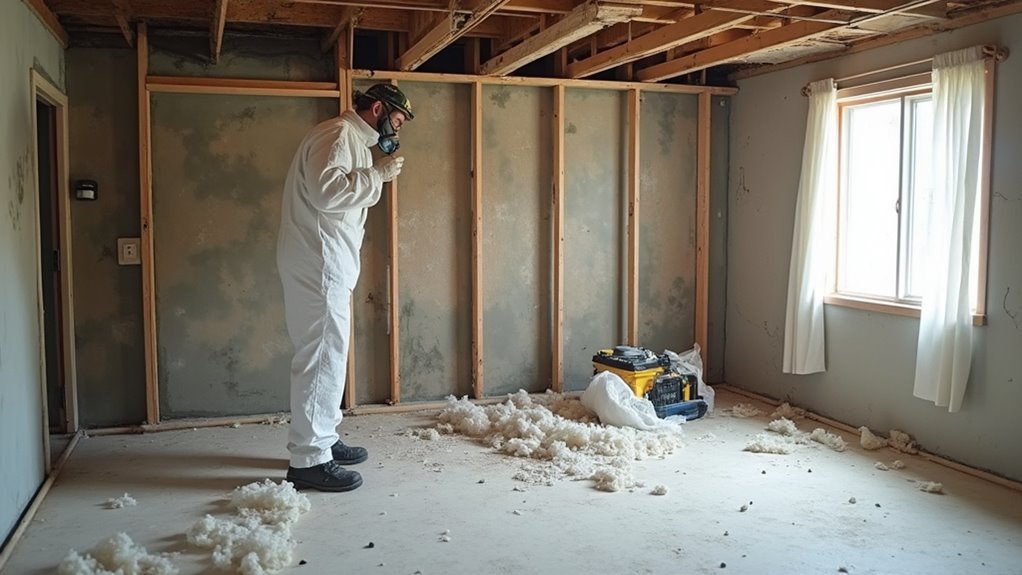
Mold remediation costs depend on several key factors. These include how much mold is present, the mold type, and the size of your property. Labor and material costs can rise if special equipment or safety steps are needed.
Sellers should consider all costs to avoid legal trouble and protect their home’s value. If you ignore mold issues, you may face liability if buyers find problems later. Buyers may also ask for records showing the work was done properly.
Proper remediation helps you follow local laws and keep your asking price. Investing in this process can prevent price cuts during negotiations. If you plan to sell, addressing mold now is a smart move.
You may also want to explore selling your home as-is to a cash buyer, since these buyers often purchase properties with mold or other issues without requiring any repairs.
DIY Versus Professional Mold Remediation
Choosing between DIY and professional mold remediation depends on your needs and the situation. If you want thorough and lasting results, professionals are usually better. DIY methods can miss hidden mold or fail to prevent its return.
A professional can handle large or hidden mold problems more effectively than most homeowners. If the infestation is widespread, professionals have the right tools and training. Small, surface mold issues may be manageable with DIY, but bigger problems need expert attention.
Some real estate laws require proof of proper mold removal. If you hire a professional, you receive documentation for the work. This paperwork can protect you if questions arise during the sale.
Buyers usually prefer homes with professionally resolved mold issues. If you try DIY fixes, buyers may worry about hidden problems. If you want the best price and a smooth sale, professional remediation is the safer choice.
The Role of Home Inspectors in Mold Detection
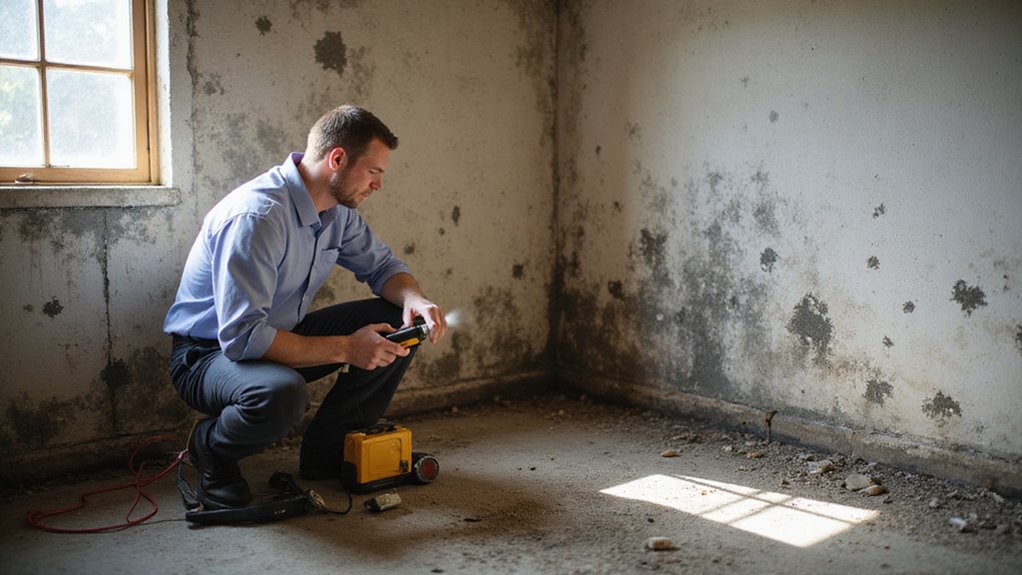
When you’re preparing to sell, a licensed home inspector plays a critical role in identifying potential mold issues through a systematic inspection process. They’re required to document and report any visible mold findings, which can impact your transaction and legal disclosure obligations. Understanding this process helps you address concerns proactively and maintain buyer confidence.
Inspection Process Overview
A mold inspection checks for mold before you sell your property. If you want to protect your property value, this step is necessary. Buyers and lenders expect clear information about mold risks.
Inspectors use special tools to find hidden mold. They often look in places where mold is likely, such as basements and crawl spaces. Some inspectors also check pest control records for signs of past moisture problems.
If the home has poor ventilation or high humidity, the risk of mold increases. Inspectors measure these factors to prevent future problems. If you address issues early, you can avoid legal trouble and protect your investment.
Reporting Mold Findings
Home inspectors must record and report any mold they find. The report will list the type, location, and amount of mold. This document is important for both buyers and sellers.
Sellers must share this report with buyers to follow the law. If you hide known mold problems, you could face legal trouble or lose a sale. Proper disclosure builds trust and helps avoid problems later.
If all mold findings are reported, the selling process goes more smoothly. Buyers expect clear and complete information about mold. Following these steps protects both parties and helps the sale move forward.
Negotiating With Buyers When Mold Is Present
If mold is present in your home, buyers will likely use it to negotiate. Mold can lead to lower offers or requests for credits. You should address the issue openly to protect your interests.
Sellers must disclose any known mold problems to buyers. This honest approach builds trust and meets legal requirements. Failure to disclose mold can lead to future legal problems.
It is helpful to get professional estimates for mold removal. You can show these estimates to buyers during negotiations. These quotes help justify your asking price or any credits offered.
Sellers can choose to fix the mold, lower the price, or offer a credit. Each option affects how much money you receive from the sale. If you handle the mold, you may attract more buyers and close the deal faster.
Insurance Considerations for Mold Problems
Most home insurance policies do not cover mold damage unless it is from a covered event, like a burst pipe. If you find mold, check your policy to see if it is covered. Some policies limit or exclude mold coverage.
Sellers must follow legal rules about telling buyers if mold is present. If you do not disclose known mold, you could face legal trouble after selling. Buyers may also ask for records of mold cleanup and past insurance claims.
If you plan to file a mold claim, always read the exact wording in your policy first. It helps to speak with your insurance company about what is and is not covered. If you are unsure about your legal duties, contact a real estate lawyer for advice.
Preventative Measures to Avoid Future Mold
Preventing mold is important to protect your property and keep its value high. If you take steps early, you can avoid expensive repairs later. These actions also help you meet legal requirements when selling your home.
Mold resistant paints should be used in damp areas like bathrooms and basements. If you apply these paints, you create a shield against moisture. This can help stop mold from forming.
Regular HVAC maintenance is necessary for good air flow. Proper ventilation keeps humidity low, making it harder for mold to grow. If you check your system often, you can catch problems early.
Leaks and drainage issues must be fixed right away. If you see water stains or damp spots, you should act quickly. Prompt repairs can prevent water from causing mold.
Weighing the Pros and Cons of Mold Remediation Before Selling
You need to consider how mold remediation can directly affect your property’s market value and your position during buyer negotiations. Addressing mold upfront may boost buyer confidence and limit potential legal disputes, but it also involves upfront costs and disclosure obligations. Weigh these factors carefully to determine the best strategy for your sale.
Impact on Property Value
Mold remediation can raise your home’s value and make it easier to sell. If a home is free of mold, buyers and appraisers will see it as safer and more appealing. Ignoring mold can lower your property’s value and may lead to legal troubles.
A mold-free home brings in more interested buyers. Clean homes suggest a healthy living space, which is important to many people. Mold problems can turn away potential buyers.
Insurance companies may offer better terms if your home has no mold. You could avoid claim denials or higher insurance costs. Fixing mold issues early can help with future insurance.
Addressing mold also shows you care about the environment and safety. This can limit your liability and meet local health rules. Responsible owners make their homes more attractive to buyers.
If you handle mold before selling, your property can compete better in the real estate market. Taking the right steps can boost your return on investment. Mold remediation is an important part of preparing a home for sale.
Buyer Negotiation Leverage
Addressing mold before listing your property gives you more power during buyer negotiations. Buyers often use mold as a reason to ask for a lower price. If you fix the problem first, you remove this common bargaining point.
Proof of mold remediation shows buyers your home is safe and healthy. This can encourage buyers to offer closer to your asking price. Legal disclosures with remediation records also help protect you from future issues.
If you skip remediation, buyers might think repairs will be expensive or complicated. Some may even decide not to buy at all. Handling mold early makes the sale process smoother and helps avoid last-minute problems.
Conclusion
If you plan to sell your home, you should consider remediating mold before listing it. Mold can lower your home’s value and discourage buyers. If you address mold issues early, you can avoid delays and boost buyer confidence.
When you remediate mold, you may receive higher offers and a smoother selling process. If you skip this step, you risk legal issues after the sale. Buyers often prefer homes that are move-in ready and free from hidden problems.
If you want to sell your home quickly, we buy houses for cash in any condition. OR Home Buyers can help you avoid the hassle of repairs and lengthy sales. Contact us today for a fast, fair cash offer.




Hi, I’m Bob Bash, founder of OR Home Buyers, serving the Oregon community since 2017. We provide full-service real estate solutions, specializing in cash purchases for both residential and commercial properties. I started this business to help our community navigate difficult real estate situations with professionalism, ethics, and compassion.
My goal is simple: to make every client feel relieved and happy when their real estate challenges are resolved. Helping people find solutions and peace of mind is what drives me every day.