
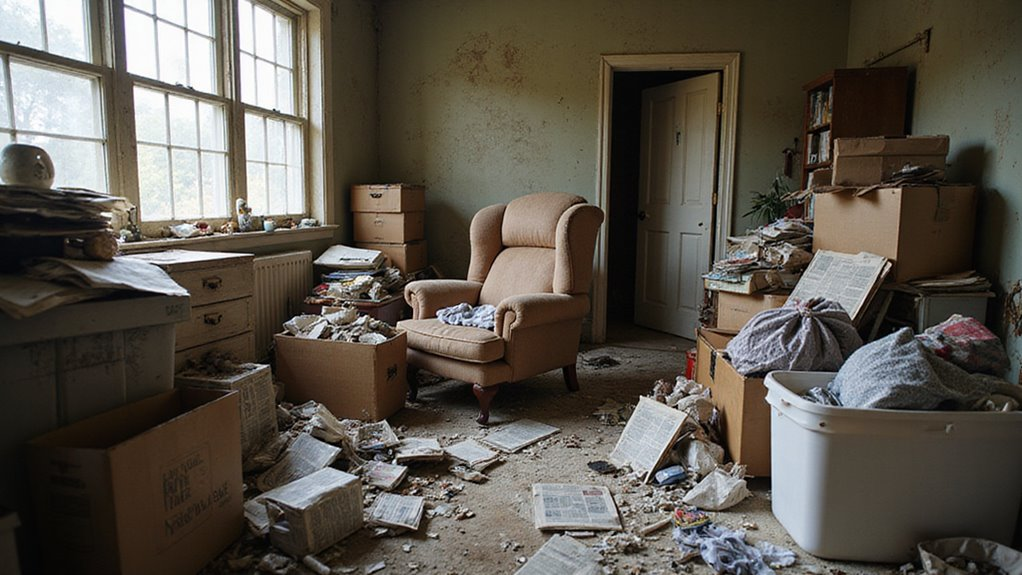
Selling a hoarder house brings tough decisions. The clutter, damage, and smell can scare off buyers. You might wonder if fixing it up is worth the effort and cost. Buyers might offer much less for a hoarder house.
Cleaning and repairs can take time, energy, and money. If you skip renovations, the house might sit unsold or attract only investors looking for a bargain. Usually, you should only renovate a hoarder house before selling if the cost of repairs will bring a higher selling price.
This blog will guide you through the choices so you can get the best result for your situation. You will learn how to decide what’s right for your home and budget.
Key Takeaways
- Renovating a hoarder house increases its value, marketability, and attracts more buyers by improving appearance and safety.
- Cleaning and repairs uncover hidden damage, making the home safer and easier to sell at a higher price.
- High renovation costs may outweigh resale benefits, so evaluate your budget and local market conditions before committing.
- Professional cleaning and repairs ensure legal compliance and reduce health and safety risks for buyers and sellers.
- In some situations, selling as-is may be preferable if renovation costs and time investment are too high.
Understanding What Defines a Hoarder House
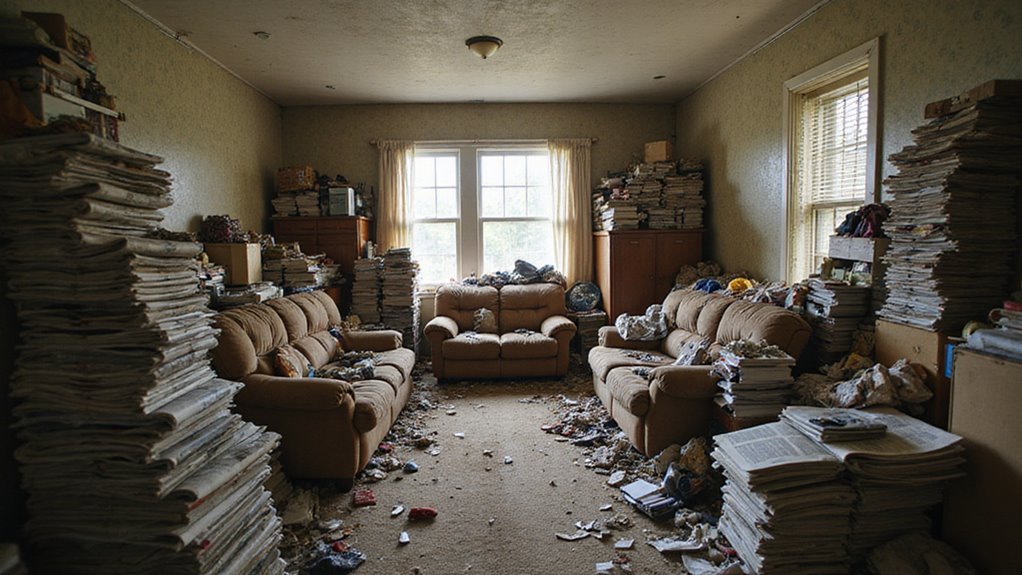
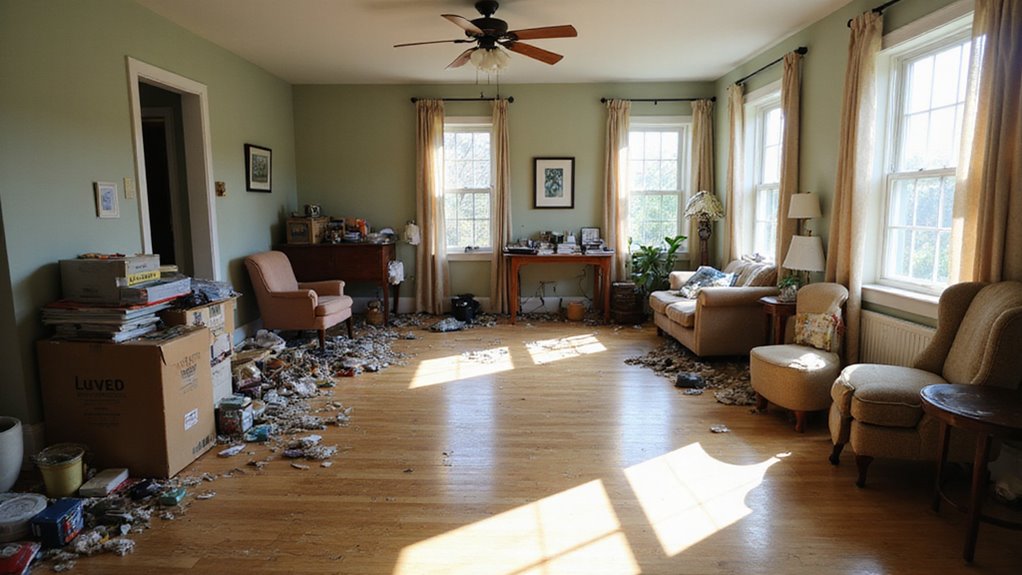
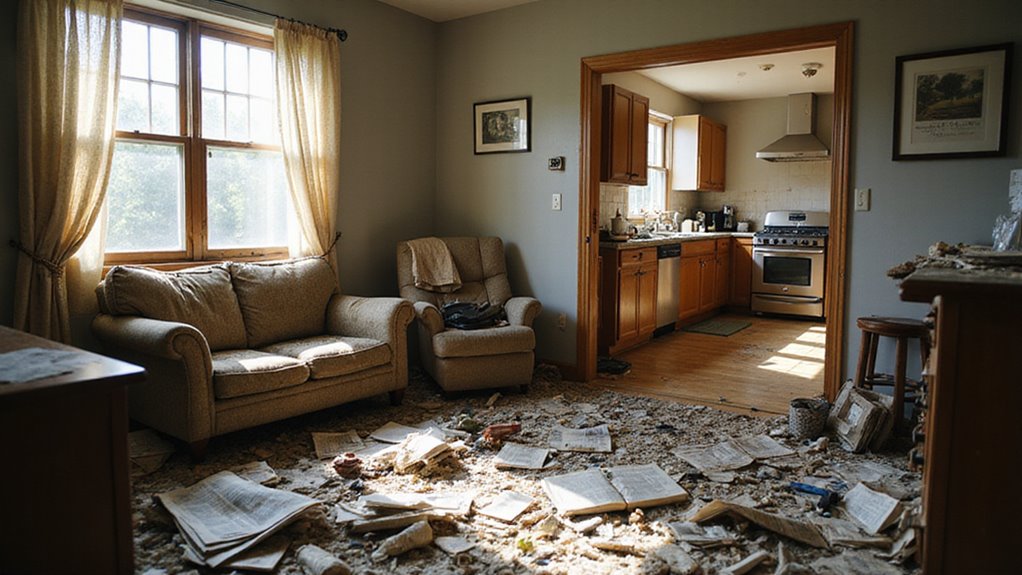
A hoarder house is more than just a messy home. It has so many belongings that walking and cleaning become difficult. If you see piles that block rooms or doors, it may be a hoarder house.
Clutter in these homes often hides damage or health hazards. Regular cleaning will not solve the problem. If you plan to sell, you may need professional help to clear the clutter. Selling such a home may also involve addressing code violations and obtaining necessary permits for a transparent sales process.
Buyers want homes that are clean and easy to use. Home staging will not work until the extra items are removed. If you understand this, you can plan your repairs, set your budget, and know what price to expect.
A thorough inspection is important, as structural issues and safety hazards are often hidden beneath the clutter in a hoarder house.
Common Challenges When Selling a Hoarder Property
Selling a hoarder property comes with several common challenges. Buyers often hesitate because these homes can look cluttered and neglected. If you want to sell quickly, you must understand these problems.
Cluttered spaces make it hard to show the home’s potential. Buyers may not see the true size or layout of each room. If you clear out belongings, staging becomes much easier.
Poor curb appeal lowers the property’s value and attracts fewer buyers. Simple landscaping or exterior cleaning can improve first impressions. If the outside looks inviting, buyers are more likely to schedule a visit.
Hidden damage is another concern for buyers. Hoarder homes may hide issues like pests or structural problems. A pre-inspection can help reveal and address these problems.
Cleaning and repairs cost time and money. Sellers often need to budget for professional cleaning and junk removal. If you plan ahead, you can avoid unexpected expenses.
If you address these challenges with transparency and preparation, you can increase your chances of a successful sale. It is also important to provide thorough property disclosures so buyers have a clear understanding of the home’s condition and you are protected from future disputes.
Assessing the Extent of Damage and Clutter
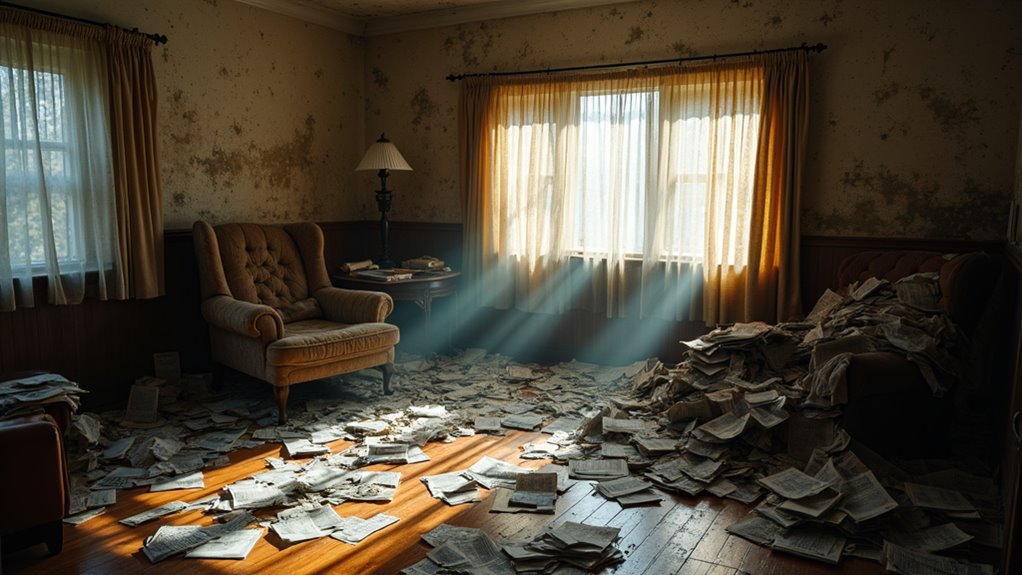
You must first understand the real condition of a hoarder house. Walk through each room and look for damage or clutter. Take notes and photos to record any issues you see.
Check for hidden problems like mold, pests, or water damage under piles of clutter. Damaged floors or walls may be covered and hard to spot. If you see these issues, plan for extra repairs. In Oregon, pest damage can significantly affect property value, making early detection and documentation even more important before you sell.
Review how items are stored in the house. Poor storage can make rooms look even smaller and messier. If better organization is possible, consider sorting and removing items before selling.
Sorting means deciding what to keep, donate, or throw away. Removing clutter can show the true size and potential of each space. This helps you estimate repair costs and decide if cleaning will raise the home’s value.
Consulting professionals who are familiar with Oregon’s real estate regulations can ensure you address any critical repairs and legal requirements before listing a hoarder house for sale.
Evaluating the Local Real Estate Market
You need to study how similar homes in your area—especially those in poor condition—are selling. Oregon’s real estate market is influenced by regional variations, which play a significant role in how quickly vacant or distressed houses sell and at what price.
Pay close attention to buyer demand trends, as this will influence how much you should invest in renovations. By understanding these factors, you’ll make smarter decisions about what updates are truly necessary. If the hoarder house is held within a trust, it’s also essential to consider how capital gains tax may impact your net proceeds when deciding whether and how extensively to renovate before selling.
Comparable Property Conditions
Analyzing comparable property conditions helps you decide how much to renovate a hoarder house for sale. You should compare your property to recently sold homes nearby. Check for similar size, age, and location.
Look at the updates and cleanliness those homes had when sold. If most homes are move-in ready, buyers will expect the same from your house. Renovating to match this standard can increase your sale price.
If most sales are as-is properties, consider limiting your renovations. Use recent sales data to set your renovation budget. Avoid spending more than what the market supports.
Buyer Demand Trends
Buyer demand in your area depends on market conditions. You should check this before planning any renovations or staging. Strong buyer demand means homes sell faster, often with fewer updates needed.
If the market has low inventory and high demand, buyers may accept homes with flaws. Simple home staging can help in these cases. In a slow market, buyers expect homes to be move-in ready.
You should research local sales data, days on market, and inventory levels. Fast-selling, staged homes often show that staging is worthwhile. If homes stay on the market longer, larger updates may be needed.
Understanding buyer demand helps you choose the best strategy. You can then decide whether to renovate, stage, or sell as-is. Careful research leads to better investment decisions.
Costs Involved in Renovating a Hoarder Home
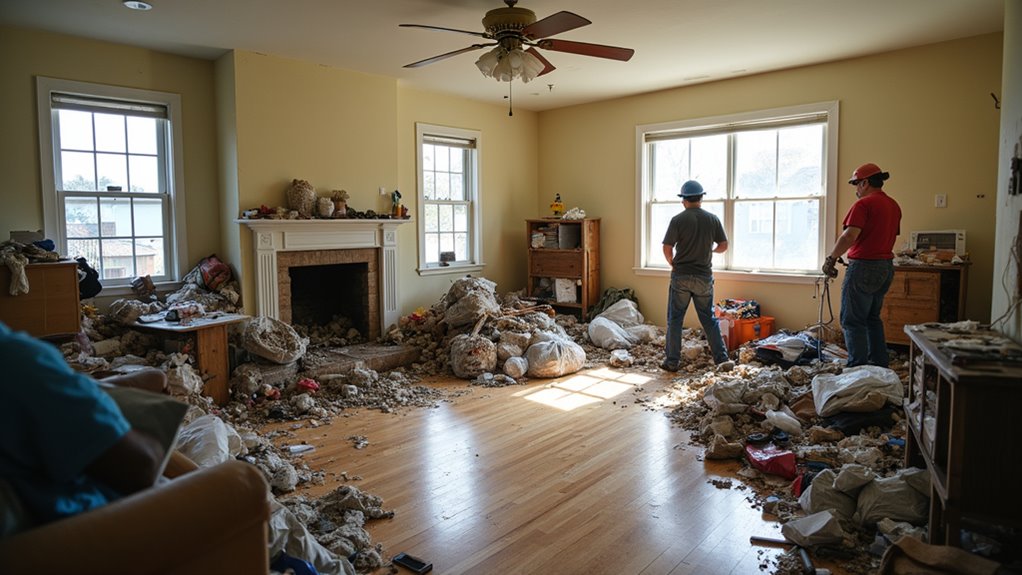
Renovating a hoarder home usually costs more than a normal renovation. Main expenses include cleaning, junk removal, and fixing health hazards. These are necessary steps to make the home safe and legal.
If mold, pests, or biohazards are present, special cleanup is required. Structural repairs, new HVAC systems, and electrical or plumbing updates can add to the cost. Professional help is often needed because most jobs are too big for DIY work. In Oregon, understanding local real estate laws is important, since compliance with state regulations can affect the renovation process and ultimate sale.
Emotional stress is common, especially if family members must sort through personal items. Market analysis should be done before starting, to check if resale value is worth the investment. If costs are too high, selling without renovating may be a better choice.
It’s also important to consult with local laws-rules to ensure any renovation or cleanup process meets health and safety standards.
Pros of Renovating Before Listing
When you renovate a hoarder house before listing, you instantly boost its market appeal and set it apart from other properties. A well-presented home commands a higher sale price and attracts more qualified buyers. By addressing key issues upfront, you position yourself for a faster, more profitable sale.
Renovations that include necessary repairs and thoughtful upgrades can help maximize your home’s value and make it more competitive in Oregon’s current real estate market. In Oregon, ensuring that your listing complies with real estate laws and presenting the property at its best can help streamline the transaction and attract buyers even in challenging situations like probate sales.
Boosting Market Appeal
Renovating a hoarder house can make it much more appealing to buyers. If you update the property, it can attract more interest in the market. Buyers often look for homes that look good and feel inviting.
Simple changes like neat landscaping and new paint can improve first impressions. Staging rooms helps buyers imagine living in the home. If a house looks move-in ready, it stands out from others for sale.
The table below shows how these changes affect what buyers think. Renovations turn cluttered, neglected spaces into attractive homes. As a result, buyer interest and confidence increase.
Increasing Sale Price
Strategic renovations can raise your sale price. If you invest in the right updates, your home will attract better offers. Buyers are willing to pay more for homes that look fresh and well maintained.
Modern storage solutions can make your space look bigger. These updates show buyers how to use the space wisely. You can add built-in shelves or closet organizers.
Decluttering helps rooms look larger and more inviting. If you remove excess items, buyers can see the home’s true size. Clean spaces make a strong first impression.
Kitchen and bathroom upgrades can give you the best return. These rooms are important to most buyers. If you update appliances or fixtures, it can add significant value.
Fixing any delayed repairs makes your home move-in ready. Buyers may offer more if they do not see major problems. Simple maintenance can prevent low offers.
Attracting More Buyers
Renovating a hoarder house before selling can attract more buyers. Most people prefer homes that are clean and ready to move into. If you fix problems and clean up, more people will consider buying your house.
Many buyers avoid homes that need a lot of work or have health risks. Renovation removes these worries and makes your property safer. If the house is staged well, buyers can picture themselves living there.
Updated and clean homes look better in photos. Better photos get more attention online. If you want more buyers, renovation and staging can help a lot.
Here is how renovation affects buyer interest:
| Renovated Home | Hoarder Home | Buyer Appeal |
|---|---|---|
| Move-in ready | Needs major work | Higher |
| Cleared hazards | Possible mold, pests | Safer |
| Staged professionally | Hard to stage | Easier to market |
| Neutral décor | Outdated/overfilled | Modern impression |
| Fresh photos | Poor visual appeal | More online views |
Potential Drawbacks of Renovating
Renovating a hoarder house before selling can have several drawbacks. These challenges may affect your time, costs, and stress levels.
Renovation costs can rise if you find hidden damage or code violations. Extra repairs may be needed, increasing expenses. During this process, failing to account for property tax and insurance payments could result in additional financial complications.
Hoarder houses take longer to clean out and fix. These extra steps can delay the sale of the property. Sorting through personal items can be very stressful. If the house belonged to a loved one, emotions may run high.
If the local market is weak, renovations may not increase your selling price enough. This could mean you lose money on the project.
You should also be aware that Oregon housing market conditions can impact both your renovation decisions and your ability to sell the home quickly after renovations are complete.
Determining Which Renovations Add Value
Renovations that add the most value are those buyers want and that give the best return on investment. Fix any problems with plumbing, electrical, or structure first. If you skip these, buyers may walk away after the inspection. Foundation issues are a primary concern in Oregon, so early identification and repairs can help maintain home value and marketability.
Prioritize repairs buyers care about most, especially plumbing, electrical, and structural issues, to boost value and prevent deal breakers during inspection.
A clean and neat exterior makes a strong first impression. Paint the outside, remove clutter, and update landscaping if needed. Good curb appeal can attract more buyers.
Inside, use fresh paint, install new flooring, and choose simple, modern fixtures. Essential updates make the home feel clean and move-in ready. Avoid spending too much on high-end upgrades that may not pay off.
If you focus on repairs that matter to most buyers, you will likely sell faster and for a better price. In Oregon, it’s important to be aware of legal considerations for property and sale before making renovation decisions, as these can impact your potential return and the overall sales process.
DIY Cleanup vs. Professional Services
When tackling a hoarder house, you need to weigh the costs of doing the cleanup yourself against hiring professionals. Consider not just the price, but also how much time you’ll invest and whether you’re equipped to handle potential health or safety risks. Making the right choice here can impact both your bottom line and the power at which you can list the property.
Cost Comparison Analysis
A cost comparison helps you see the real difference between DIY and professional hoarder house cleanups. If you clean up yourself, you may save money at first. Professional services cost more, but their experience can save time and prevent mistakes.
DIY cleanup means buying supplies and renting equipment yourself. You avoid labor costs, but you must do all the work. If you hire professionals, the quote often includes supplies and labor.
Both options have disposal fees, but professionals may get cheaper rates. If you miss problems during a DIY cleanup, repairs may cost more later. Professionals can spot issues early and help you avoid extra expenses.
Time Investment Factors
Time investment is a key factor when cleaning a hoarder house. If you do it yourself, you may spend many days or weeks. This time includes sorting items, packing, and handling storage.
DIY cleanup can cause delays in selling the property. You might also face extra costs for storing items you want to keep. These delays can increase your overall expenses.
Professional cleanup services can save you time. They manage removal, organization, and temporary storage for you. If you hire professionals, you could get the house ready to sell faster, which may improve your profit.
Health and Safety
Hoarder homes often have dangerous items like mold, sharp objects, or waste. Cleaning these places can be risky for your health and safety. If you do not handle hazards properly, problems can get worse.
Professional cleaners have special training for these jobs. They use protective gear to stay safe from mold, chemicals, and waste. If you are not trained, you might get hurt or sick.
Proper disposal of harmful materials is important. Professionals know the legal ways to throw out dangerous items. If you do it wrong, you could face fines or health risks.
Trained teams can clean the home faster and more safely than you can alone. They also help lower your risk of injury. If you want to protect your home and family, consider hiring experts.
Legal and Disclosure Considerations
Selling a hoarder house involves strict legal and disclosure rules. Sellers must share all known problems that affect the home’s value or safety. Failure to do this can lead to lawsuits or canceled sales. When selling a hoarder house, full disclosure of known issues is required to avoid legal trouble or losing the sale.
Most states require detailed forms listing any property issues. These can include structural damage, pests, or hazards from hoarding. Honest documentation is necessary to protect both you and the buyer.
A real estate attorney or agent can help with these requirements. If you follow state and local laws, you reduce your risk. Clear disclosures also help build trust with buyers.
Attracting Traditional Buyers Versus Investors
To attract traditional buyers, offer a move-in-ready home with a welcoming feel. Investors prefer homes with potential for profit or minimal repairs. Choosing your target buyer depends on the condition and appeal of your renovated hoarder house.
If the house is fully renovated, traditional buyers are more likely to be interested. A partially updated home may attract investors looking for a project. Home staging works best for traditional buyers who want to picture themselves living there.
Traditional buyers are willing to pay more for homes that need no work. Investors often seek lower prices to get a better return. If you need a quick sale, investors usually act faster than traditional buyers.
Marketing Strategies for Hoarder Homes
When marketing a hoarder home, you should focus on targeting investors who actively seek properties with renovation potential. Highlight the possibilities for value-add improvements, and don’t hesitate to present the home as an as-is opportunity for buyers looking for a project. This practical approach attracts serious interest from those ready to move quickly and see the property’s underlying value.
Targeting Investor Buyers
Targeting investor buyers helps you sell a hoarder house faster and with less hassle. Investors care about the property’s potential, not its current look. Sellers can avoid expensive repairs because investors will handle renovations themselves.
You should price the house low enough for investors to see a profit opportunity. Flexible terms, such as quick closings or cash offers, can attract more serious buyers. Sellers who offer these options often receive more interest.
Highlight any development potential the property might have. Details like lot size, zoning, or expansion options can increase investor appeal. If these features exist, sellers should mention them clearly.
Reaching out directly to investor networks or using online platforms can speed up the selling process. Local wholesalers may also have interested buyers. Using these channels increases your chances of a quick sale.
Highlighting Renovation Potential
Most buyers see hoarder houses as difficult projects. If you highlight renovation potential, buyers may change their perspective. Show how updates can solve storage problems and improve the layout.
You can use renovation drawings to show before-and-after ideas. Mood boards also help buyers imagine a new space. These tools make it easier for buyers to see the home’s possibilities.
The property can be described as a blank canvas. If buyers want to add value, renovation offers many options. Buyers who want a fresh start may find this very appealing.
Selling As-Is Options
Selling a hoarder house as-is requires special marketing. You need to attract buyers who understand the work involved. Investors and buyers looking for fixer-uppers are often your best audience.
If you highlight the property’s potential and are honest about its condition, you can find interested buyers. Listing the repair costs and possible improvements helps buyers make quick decisions. Providing clear details makes your listing stand out.
If you have before-and-after stories from other sales, share these with potential buyers. These examples help buyers see what is possible. Show how the space can change with cleaning and repairs.
You should also promote the layout and storage options the house offers. This helps buyers imagine the home’s future use. Strategic marketing can help you sell the house faster.
Timeline Expectations for Renovation and Sale
When planning to renovate and sell a hoarder house, expect the process to take several months. Timelines depend on the home’s condition, the repairs needed, and your local housing market. If the property needs major work, the process will take longer.
Cleanout usually takes two to four weeks. Removing large items or hazardous materials may extend this period. If you need professional help, schedule early to avoid delays.
Renovations can take one to three months. Contractor schedules and the size of the project can affect this timeframe. Outdoor landscaping or updating decor may also add time.
After renovations, selling the home may take one to two months. Local demand and pricing influence how quickly it will sell. If you price the home right, it may sell faster.
Stay in contact with contractors and real estate agents. Good communication helps prevent costly setbacks. If issues arise, address them quickly to keep the project on track.
Making the Final Decision: Key Takeaways for Sellers
Renovating a hoarder house takes time and money. Sellers should focus on what makes the most financial sense. Making the final decision depends on comparing costs, possible profits, and the current market.
Sellers must look at their situation clearly. Local market trends help show if buyers want fixed-up or as-is homes. Renovation costs should be weighed against the likely increase in selling price.
Home staging can make a big difference with minimal updates. Professional staging often helps buyers see the home’s potential. Even small changes may boost value if the budget is tight.
Emotional attachment can make decisions harder. Sellers should try to think with their heads, not their hearts. Financial benefit needs to come before personal feelings.
Careful research and honest self-assessment help sellers choose wisely. Acting on facts will protect your financial interests. If uncertain, consider getting advice from real estate professionals.
Conclusion
If you are deciding whether to renovate a hoarder house or sell as-is, consider your goals and resources. If you want a quick and easy sale, selling as-is may be your best option. If you have time and budget for repairs, renovations could increase your profit.
If the local market favors move-in-ready homes, renovation might bring better offers. If you want a hassle-free experience, selling to a cash buyer can save time and effort. We buy houses for cash and handle all the details for you.
If you want to avoid repairs, cleaning, and showings, contact OR Home Buyers today. We can give you a fair cash offer and close on your schedule. Let us help you sell your hoarder house quickly and easily.




Hi, I’m Bob Bash, founder of OR Home Buyers, serving the Oregon community since 2017. We provide full-service real estate solutions, specializing in cash purchases for both residential and commercial properties. I started this business to help our community navigate difficult real estate situations with professionalism, ethics, and compassion.
My goal is simple: to make every client feel relieved and happy when their real estate challenges are resolved. Helping people find solutions and peace of mind is what drives me every day.