
If you’ve inherited property in Oregon, a tough choice awaits. Should you renovate before selling or not? This decision can shape your financial outcome in a competitive market.
Renovating might seem promising, but it’s risky. Costs can spiral, and returns aren’t guaranteed. Will the effort pay off? Luckily, there’s a way to decide wisely.
Renovating before selling in Oregon can be worth it if planned well. This guide will help you weigh the pros and cons. This blog will clear your doubts and guide your next steps.
Key Takeaways
- Renovating can boost market value in Oregon’s competitive seller’s market, attracting more buyers.
- High renovation costs may outweigh profits if updates don’t align with local trends.
- Selling as-is saves time and expense, appealing to investors seeking fixer-uppers.
- Emotional attachment might lead to over-spending on unnecessary, personal upgrades.
- Research Oregon market trends to ensure renovations match buyer preferences for better offers.
Understanding the Oregon Real Estate Market
As you prepare to sell your inherited property in Oregon, you’ve got to grasp the key trends shaping the housing market. Notice whether it’s leaning toward a seller’s market with high demand and rising prices, or a buyer’s market with more inventory and bargaining power. Understanding this balance will help you strategize renovations and set a competitive price. Additionally, Oregon’s tight housing supply creates favorable conditions for sellers, especially for vacant or inherited properties.
Key trends in Oregon’s housing market
Oregon’s housing market is ever-changing, and understanding it helps when selling an inherited property. If you’re in this situation, knowing current trends can boost your property’s value. Stay updated to make the best choices.
Portland’s urban areas are in high demand, driving prices higher. If you own property there, expect strong buyer interest. Rural towns also appeal to remote workers seeking cheaper homes.
Inventory remains low in many regions, creating tough competition. If listings are scarce, your property might attract quick offers. Coastal homes often sell at higher prices too.
Buyers now value eco-friendly features in homes. If your house has sustainable upgrades, it could stand out. Staying aware of these trends ensures smarter decisions.
Is it a seller’s or buyer’s market?
Determining Oregon’s real estate market starts with checking inventory and demand. If homes are few and bidding wars happen, sellers have the edge. Rising median prices also suggest a seller’s advantage.
Look at how long homes stay on the market. Quick sales often mean sellers are in control. If properties linger, buyers gain power.
A surplus of homes can lower your selling price. If demand is high, you might get a better deal. Consider this before listing inherited property.
Understanding market dynamics helps decide on renovations. If it’s a seller’s market, selling as-is might still work. In a buyer’s market, upgrades could attract offers.
The Pros of Renovating an Inherited Property
When you renovate an inherited property in Oregon, you’re likely to boost its market value significantly, making it a more lucrative asset. These upgrades can draw in a wider range of potential buyers, ensuring you don’t miss out on competitive offers. Plus, a well-renovated home stands out in listings, enhancing its marketability and speeding up the sale process. Additionally, focusing on cost-effective updates can align with local market trends to maximize your return on investment.
Increased property value
Inherited property in Oregon can gain higher market value with renovations. Smart updates can turn an old home into a buyer’s dream. If you invest wisely, your returns will likely improve.
Renovations often bring big rewards for sellers. Modern kitchens or bathrooms can greatly increase a property’s worth. If outdated, these spaces might lower buyer interest.
Energy-saving upgrades also add value to your home. New windows or insulation cut down on utility bills. If buyers see savings, they may pay more.
Curb appeal matters when selling a property. Fresh paint or neat landscaping creates a strong first impression. If the exterior looks good, buyers feel drawn in.
Fixing structural issues prevents value loss. Repairs to the roof or foundation are crucial before listing. If ignored, these problems could scare buyers away.
Finally, align renovations with Oregon’s market trends. Updates that match buyer expectations can boost offers. If you plan well, the financial benefits will show.
Attracting a larger pool of buyers
Renovating an inherited property in Oregon can attract more buyers. If you update the home, your market grows significantly. A modernized space appeals to families, professionals, and retirees alike.
Don’t ignore the value of strategic updates when selling. Simple changes like new paint can make a big difference. If you improve key areas, your property stands out in Oregon’s market.
First impressions matter a lot to potential buyers. If you invest in renovations, more people will show interest. This effort could lead to better offers on your home.
Better marketability
You can boost its appeal by renovating before selling. This simple step enhances marketability and attracts more buyers. If you update key areas, your home will shine in a competitive market.
They create a modern look that buyers love. Fresh updates like new paint improve first impressions. If done right, these changes can lead to higher offers.
Updated kitchens and bathrooms draw trendy buyers easily. A polished property often sells much faster. If you invest smartly, you’ll likely maximize your returns.
Renovations set your Oregon home apart from others. They address outdated features or needed repairs. If marketed well, your property becomes a top choice.
The Cons of Renovating an Inherited Property
As you consider renovating an inherited property in Oregon, recognize that the high upfront costs can strain your finances before any return on investment. You’ll also find the process incredibly time-consuming, demanding significant effort and coordination that might delay your plans to sell. Beyond logistics, beware of emotional attachment to the property, as it can cloud your judgment and lead to overspending on unnecessary upgrades. Additionally, keep in mind that selling a property held in a trust may involve complex capital gains tax implications depending on the type of trust and its tax status.
High upfront costs
High upfront costs can be a major hurdle when renovating an inherited property in Oregon. These initial expenses might strain your budget before any profit appears. If you’re planning to renovate, prepare for a financial challenge.
Consider the significant costs that often come with renovations. Major repairs, like fixing structures, can demand thousands upfront. Quality materials also add to the hefty bill.
Labor fees in Oregon are another concern for renovators. Skilled contractors charge high rates for their expertise. If you hire professionals, expect to pay a premium.
Permits are often required by local rules in Oregon. These can be expensive and must be obtained early. If you skip them, penalties could increase costs.
Unexpected problems can further raise your expenses during renovation. Hidden issues like mold or bad wiring might appear. If these arise, your budget could suffer.
Carefully think about these costs before starting any work. Your financial health should guide your decision. If risks seem high, reconsider your plan.
Time-consuming process
Renovating an inherited property in Oregon takes a lot of time. This process can delay your plans to sell the property. If time is limited, consider if the effort is worth it.
Coordinating contractors and getting permits often takes weeks or months. Oregon’s weather or local rules may cause further delays. You must spend hours planning and solving unexpected problems.
Issues like structural repairs or old systems can extend the timeline. Such delays might test your patience significantly. If quick results matter, think twice before starting renovations.
Emotional attachment and its impact
Emotional ties to an inherited home in Oregon can strongly influence your renovation choices before selling. Memories of loved ones may push you to renovate, even if it’s not a smart financial move. This attachment might lower your profit if you over-invest in updates.
If you feel deeply connected, logical planning often takes a backseat to emotions. You might renovate based on personal taste rather than what buyers want. Such decisions could reduce the home’s market appeal.
Delays in selling can happen if you struggle to let go of the property. Emotional stress might also grow during negotiations or closing stages. If sentiment drives you, over-spending on upgrades is a risk.
Sentimental value can lead to emotional strain during the selling process. If you’re attached, consider seeking advice to balance feelings with financial goals. This can help you make clearer decisions.
Factors to Consider Before Renovating
Before you start renovating your inherited property in Oregon, take a hard look at its current condition to gauge what repairs or upgrades are truly necessary. Assess whether the cost of renovation will outweigh the potential profit, ensuring you’re not sinking money into a losing investment. Finally, consider your timeline and financial capacity, as these will dictate how much you can realistically tackle before selling. Additionally, research Oregon’s housing market trends to determine if renovations will significantly increase buyer interest and sale price.
The current state of the property
Assessing the current state of your inherited property in Oregon is vital before planning renovations. You must understand the property’s condition to decide on selling it. A detailed inspection can uncover hidden issues like mold or old wiring.
Consider the structure first to spot major problems. Are there cracks in the foundation or leaks in the roof? If issues exist, prioritize fixing them early.
Check the systems like HVAC, electrical, and plumbing next. How old are they, and do they need updates? If they’re outdated, repairs might be urgent.
Look at cosmetic needs such as paint or flooring. Does the property appear worn or dated? If so, small updates could boost its appeal.
Identify safety risks like asbestos or lead paint. Are there hazards that could harm residents? If present, address them immediately for safety.
Finally, compare your property to nearby homes. How does it measure against others in the market? If it lags, strategic fixes might increase value.
The cost of renovation vs. potential profit
Renovating an inherited property in Oregon can impact its sale price. You must compare renovation costs with potential profit. If costs exceed gains, you’ll lose money.
Consider local real estate trends to understand buyer preferences. A modern kitchen might raise offers if done wisely. Check if the expense matches the added value.
Look at similar property sales in your area for guidance. Calculate contractors’ fees and material costs before starting. Ensure the investment will bring a good return.
If renovation costs $50,000 but adds only $30,000, skip it. Get accurate quotes to make a smart choice. Your goal should be a profitable outcome.
Your timeline and financial capacity
Your personal timeline and financial capacity directly shape decisions about renovating an inherited property in Oregon. If your timeline is tight, lengthy renovations might not be possible. Similarly, limited funds could restrict covering renovation costs.
Assessing your timeline is crucial before starting any project. Can you wait weeks or months for renovations to finish? If not, selling as-is might be smarter.
Your financial capacity also plays a big role in this choice. Do you have enough money for unexpected repairs? If funds are low, avoid risky expenses.
Consider how delays might affect market timing for selling. Will waiting lower the property’s peak value? If so, quick sales could be better.
Think about the stress of managing renovations too. Are you ready to oversee the entire process? If not, simpler options might suit you.
Finally, explore alternatives to renovating the property. Could selling it as-is save time and money? If yes, this might be the best path.
Renovation vs. Selling As-Is
As you weigh the decision to renovate or sell your inherited property in Oregon, consider when it’s smarter to list it without making updates. Selling as-is can save you significant time, money, and stress, especially if the market favors buyers looking for fixer-uppers or if repair costs outweigh potential returns. In Oregon, this approach often appeals to investors and bargain hunters, giving you a quicker sale without the hassle of managing renovations. Understanding Oregon’s real estate laws can help ensure a smooth as-is sale process while protecting your interests.
When it’s better to sell without renovations
Selling without renovations can be a smart choice for an inherited property in Oregon. Sometimes, fixing up a house isn’t worth the effort or cost. If time or money is tight, selling as-is might work best.
Consider market trends before deciding to renovate. If quick sales are common, skipping updates could save time. Investors might also prefer buying fixer-uppers in certain areas.
Think about renovation costs versus potential profits. If expenses are too high, selling without fixes is wiser. Structural issues can also make repairs unfeasible.
Check your personal or financial deadlines too. If you’re in a rush, renovations might delay the sale. Selling as-is can help meet urgent needs.
Analyze your unique situation with care. If any of these scenarios fit, avoid renovating. A quick sale might be the better option.
Advantages of selling as-is in Oregon
Selling an inherited property as-is in Oregon brings clear benefits for owners. This choice helps you skip costly repairs and save time. If renovations seem overwhelming, this option works best.
An as-is sale speeds up the transaction process significantly. You can sell the property without handling contractor issues. This reduces stress during a tough time.
It also attracts investors and buyers seeking fixer-uppers in Oregon. If the market favors such properties, you’ll find eager buyers. This boosts your chances of a quick sale.
Lastly, selling as-is lowers legal or liability risks from poor repairs. You avoid potential problems after the sale. If issues arise, they won’t be your burden.
Cost of Renovations in Oregon
When you’re planning to renovate an inherited property in Oregon, you’ve gotta consider the average costs for common upgrades, which can range from $10,000 for minor fixes to over $50,000 for major overhauls like kitchen or bathroom remodels, depending on the scope and materials. You’ll also need to factor in Oregon’s unique climate, with its wet winters and dry summers, as this impacts choices like roofing or insulation to prevent costly damage.
Additionally, think about the typical home styles here—think Craftsman or ranch-style—and how renovation designs should align with local buyer expectations to maximize your return. If the property is part of a probate sale, remember that the sale price must be at least 90% of appraised value as per Oregon probate laws.
Average costs for common renovations in Oregon
Understanding renovation costs in Oregon helps you plan upgrades for an inherited property. These costs guide your budget if you’re aiming to sell. Knowing them ensures you maximize property value.
Renovation expenses vary, so let’s break them down clearly. A kitchen remodel might cost between $20,000 and $50,000. Bathrooms could range from $10,000 to $25,000 each.
Flooring replacement may need $3,000 to $10,000 for quality materials. If you replace a roof, expect $5,000 to $15,000. Painting inside or outside can cost $2,000 to $7,000.
If you analyze these costs, renovations can improve returns. Plan wisely to avoid unnecessary spending. This keeps profits intact after upgrades.
Specific considerations for local climate and home types
Oregon’s varied climate and home styles need careful planning before renovations. If you inherit property here, consider the local weather. This directly affects your costs and the home’s value.
In the Willamette Valley, wet and mild winters can cause mold or rot. If moisture isn’t managed, older homes suffer damage. Always check for these issues before starting updates.
Central and Eastern Oregon face harsh, dry winters with extreme cold. If insulation isn’t upgraded, heating costs will rise. Make sure to prioritize this for energy savings.
Home types in Oregon also matter during renovations. Coastal cottages, Portland bungalows, and rural farmhouses have unique needs. If ignored, repairs can become expensive.
Tailor your updates to match the region’s weather patterns. If you consider the property’s design, you boost buyer appeal. This helps avoid costly mistakes in the process.
Local Permits and Regulations
When renovating an inherited property in Oregon, you’ve got to grasp the permit process to ensure compliance with local rules. Make sure you’re clear on zoning laws, as they dictate what changes you can legally make to the property. Ignoring these regulations isn’t an option if you want a smooth sale without legal headaches. Additionally, consulting with local building authorities can provide valuable insights into specific code requirements and help avoid potential violations during renovations.
Understanding the permit process in Oregon
Navigating the permit process for renovating an inherited property in Oregon can be straightforward with the right steps. Start by researching local rules, as they differ across cities and counties. Contact your local building department to confirm needed permits.
For structural changes, submit detailed plans if you’re making major updates. Electrical work must involve licensed contractors for safety. Plumbing updates also require permits to meet regulations.
Consider timelines, as delays might affect your property sale. Budget for permit fees, since costs can add up unexpectedly. If you skip permits, you risk facing legal issues.
Non-compliance can halt your renovation plans or sale process. Always check requirements before starting any work. Following rules ensures a smoother experience.
What you need to know about zoning laws
Zoning laws in Oregon can impact your inherited property renovation. They control what changes you can make. Always check with the local zoning board first.
These laws define if your property is residential, commercial, or mixed-use. If plans don’t match, you might face issues. Confirm your renovation fits the designated zone.
Ignoring zoning rules could bring fines or delays in selling. Significant upgrades might raise property taxes too. Be cautious and verify all restrictions early.
If your plans don’t align, you can request a variance. Proactively handling zoning avoids legal troubles. This ensures your investment stays safe.
How to Maximize the Value of Your Renovation
When renovating your inherited property in Oregon, prioritize key areas like the kitchen, bathrooms, and curb appeal to boost buyer interest and property value. Make sure you’re balancing impactful upgrades with a realistic budget to avoid over-investing in a market that might not yield high returns. With a strategic approach, you’ll maximize your renovation’s impact and set yourself up for a profitable sale. Additionally, consider whether the estate qualifies for a small estate exemption to potentially bypass probate and streamline the selling process.
Focus on key areas: Kitchen, bathrooms, curb appeal
Inherited homes in Oregon can gain value with smart updates. Focus on kitchens, bathrooms, and curb appeal for the best results. These spots often influence buyers’ decisions the most.
Kitchens can make or break a sale if they look outdated. Install new countertops and modern appliances to attract buyers. This update often brings a high return on investment.
Bathrooms should feel clean and current to impress potential buyers. Replace old fixtures and tiles if they look worn. A small investment here can create a big impact.
First impressions matter when selling an inherited property. Enhance the front yard with landscaping and fresh paint if needed. A welcoming exterior can pull buyers in quickly.
Lighting can transform key spaces if they feel dark. Replace worn flooring to improve the overall look of the home. These changes help maximize the property’s appeal.
Balancing upgrades with a realistic budget
Preparing an inherited property for sale in Oregon means making smart renovation choices. Focus on upgrades like kitchen or bathroom updates that boost value. If you set a budget based on local home sales, you’ll avoid overspending.
High-return fixes should be your priority over expensive luxury features. Simple updates like fresh paint or new flooring can make a big difference. If you overspend, you might not recover your investment.
Tax implications are also important to consider during renovations. Upgrades could raise the property’s value and affect taxes after sale. Consult a tax professional if you’re unsure about your liability.
Balance your spending to maximize profit on your Oregon property. A realistic budget helps prevent financial strain. If done right, smart investments will pay off.
When Not to Renovate
Before you start renovating your inherited property in Oregon, consider if the financial strain might outweigh the benefits, especially if funds are tight. Look at current market conditions too; if buyers in your area prioritize move-in-ready homes at lower prices, your investment might not yield a strong return. Recognize that sometimes, selling as-is could be the smarter move when renovations don’t promise a worthwhile payoff. Additionally, if the property is at risk of foreclosure, selling quickly to cash home buyers may help avoid further financial complications.
Financial strain and market conditions
Renovating an inherited property in Oregon might look promising, but it carries financial risks. You must consider the upfront costs against your budget limits. If funds are low, this could strain your stability.
Market conditions in Oregon often change, affecting property sales. If it’s a buyer’s market, even renovated homes may not sell well. Check if demand for upgraded properties is dropping.
Consider your budget before starting any work. Can you handle renovation costs without stress? If not, it’s a risky move.
Think about time constraints too. Will delays mess up your selling plans? If timelines are tight, this could be problematic.
Look at cost recovery as well. Will renovation expenses exceed potential profits? If they do, you might lose money. Finally, assess the local economic climate. Are conditions favoring sellers right now? If not, waiting might be wiser.
Situations where renovating doesn’t pay off
Renovating an inherited property in Oregon can be a bad choice in some cases. If the local market is slow or dropping, upgrades won’t boost your sale price. This makes spending on renovations a risky move.
Properties in poor locations or bad condition often struggle to attract buyers. Even if you renovate, the effort might not pay off. Such situations can waste your time and money.
Tax issues can also make renovations less appealing. If profits are low, renovation costs won’t cover capital gains taxes. Consider this before deciding to invest in upgrades.
If your budget is tight or time is limited, renovating might not work. The financial risk could outweigh any potential benefits. Selling the property as-is may be a better option.
In Oregon’s unpredictable market, think carefully before renovating. Selling without upgrades can save stress and extra costs. Always weigh the risks against possible gains.
The Emotional Aspect of Selling an Inherited Property
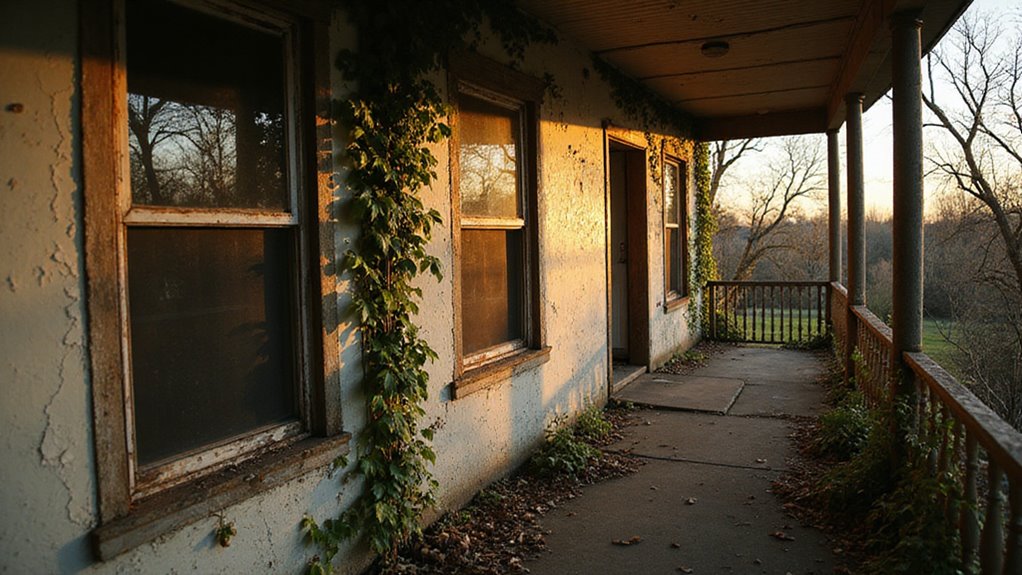
As you prepare to sell an inherited property in Oregon, recognize that your personal connections to the home can heavily influence your decisions. You might find yourself torn between cherished memories and the practical need for financial gain, creating a complex emotional landscape. Striking a balance between these attachments and the potential profit requires careful thought and a clear-eyed assessment of your priorities. Additionally, understanding Oregon real estate laws can provide a helpful framework for navigating this emotionally charged process.
How personal connections affect decisions
Personal connections deeply influence decisions when selling an inherited property in Oregon. These ties bring emotions that can affect your choices. If memories linger, you might struggle to let go of the house.
Emotions often mix with logic during this process. Strong memories of childhood in the home can hold you back. If family expects you to keep it, pressure builds up.
Guilt might creep in when considering a sale. You could feel disloyal for even thinking about selling. If attachment is strong, logical choices become harder.
The desire to honor a loved one’s legacy can clash with practical needs. If their wishes conflict with your situation, tension arises. Clarity helps in balancing emotions with decisions.
Finding a balance between emotional attachment and financial gain
Selling an inherited property in Oregon can balance emotional ties with financial gain. This decision often feels tough due to memories. If emotions weigh heavy, it’s still vital to think clearly.
Consider the costs of keeping the property versus selling it. Maintenance might drain your money if returns are low. If sentiment matters more, renting could preserve memories while earning income.
Analyze your long-term financial health before deciding. A smart choice respects both your heart and wallet. If unsure, seek advice to guide you.
The Tax Implications of Renovating and Selling
As you prepare to sell an inherited property in Oregon, you’ve got to consider the impact of capital gains tax on your profits. Renovations can boost the sale price, but they also adjust the cost basis, potentially reducing the taxable gain if you track expenses correctly. Understanding how these upgrades influence both your selling price and tax liability is crucial to maximizing your return.
Capital gains tax considerations in Oregon
Understanding capital gains tax in Oregon is vital when selling an inherited property after renovation. This tax applies to profits made above the stepped-up basis, which is the property’s value at inheritance. If you know the rules, you can save a lot of money.
Capital gains tax hits profits over the stepped-up basis in Oregon. You won’t get the home sale tax exclusion unless you live there for two years. Oregon also adds state income tax on these gains.
Federal capital gains rates depend on your income level. If your income is high, you might pay more in taxes. Always check the latest rates for accuracy.
Consulting a tax professional can clarify these rules for you. If you’re unsure, they can guide you through the process. This step could prevent costly mistakes.
How renovations affect the sale price and taxes
Renovations can boost the sale price of an inherited property in Oregon. They often make the home more attractive to buyers. If done right, upgrades can lead to higher offers.
Be cautious about spending too much on improvements. Overdoing it might not bring back enough profit. Always weigh costs against potential gains.
Renovations can affect taxes when selling in Oregon. A higher sale price may increase capital gains tax. If you track costs, renovations could lower taxable gains.
Strategize carefully with an inherited home in Oregon. Consult a tax expert for guidance on expenses. This can help maximize your profit.
Alternatives to Renovating
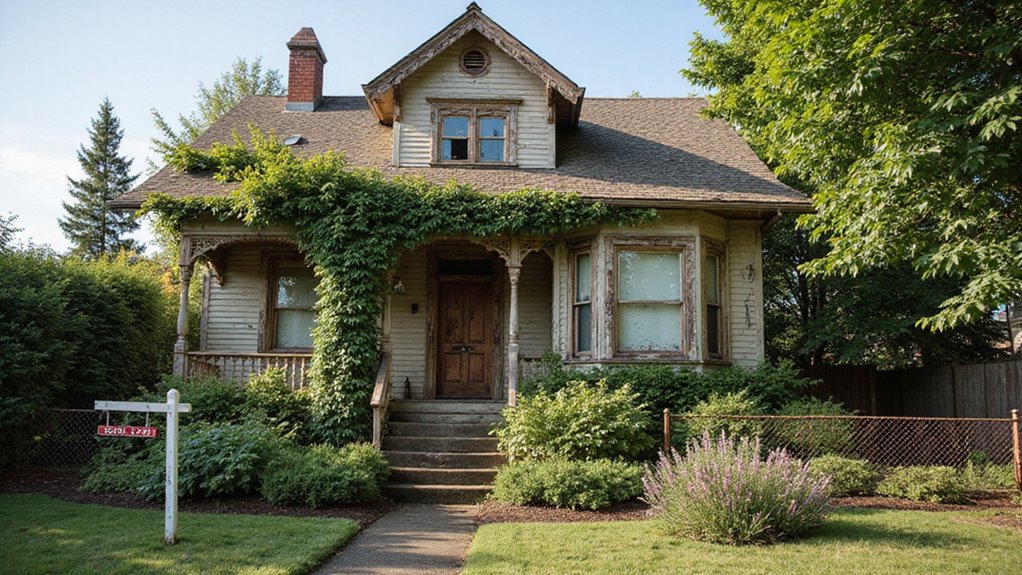
If you’re hesitant to renovate your inherited property in Oregon, consider selling directly to cash home buyers who often purchase homes as-is, saving you time and repair costs. You can also consider selling to investors, as they frequently seek properties to fix up themselves, offering you a quick transaction without the hassle of upgrades. Both options provide strategic ways to offload the property efficiently while maximizing your return with minimal effort.
Selling to cash home buyers in Oregon
Selling to cash home buyers in Oregon is a smart choice for quick property sales. This option avoids the delays and costs of fixing up an inherited home. If you need fast cash, this method works well.
Cash buyers offer a simple way to sell without stress. You can close deals in just a few days. If repairs are needed, you won’t have to spend money on them.
There are no agent fees when selling directly to cash buyers. This saves you from paying high commissions. If you value speed, this is a great option.
You can also negotiate terms that fit your schedule. Flexible offers make the process easier for you. If timing matters, cash sales help a lot.
Choosing cash buyers reduces uncertainty in selling your home. It brings efficiency and peace of mind. If you want a hassle-free sale, consider this route.
Selling to investors
Selling your inherited property to investors in Oregon is a smart alternative to renovating. This option saves you from spending on repairs or upgrades. If you choose this, you can sell quickly without hassle.
Investors often buy homes in their current condition. You won’t need to fix anything before selling. If issues exist, they won’t delay the process.
This method offers a simple transaction with fewer complications. You might get a fair cash offer based on the property’s state. If timing matters, this ensures a fast sale.
Oregon’s real estate market can be tough to navigate. Selling to investors helps you avoid traditional listing delays. If stress is a concern, this path works well.
Consulting a Real Estate Agent
When selling inherited property in Oregon, you’ll find a real estate agent’s expertise essential for handling market trends and pricing strategies. Start by researching agents with strong local knowledge and a proven track record in your area to ensure you’re getting tailored advice. Don’t hesitate to interview multiple professionals to find someone who understands your unique needs and goals.
Why an agent’s expertise is crucial
Selling an inherited property in Oregon can be tricky. A real estate agent’s expertise helps you avoid costly mistakes. Their guidance ensures a smooth and profitable sale.
An agent knows Oregon’s market trends and legal rules. They can tell if renovations will increase value or not. This prevents you from wasting money on unnecessary updates.
They also set a competitive price using local data. If pricing is wrong, you might lose potential buyers. Their strategy keeps your property attractive to the market.
Legal issues like probate or taxes can be complex. An agent helps you avoid these common pitfalls. Their advice protects your financial interests.
Negotiation is another area where agents shine. They secure the best deal for you quickly. If delays happen, they manage them efficiently.
Finally, agents save you time and reduce stress. They streamline the entire selling process for you. Trust their skills to maximize your profit.
How to find the right real estate agent in Oregon
Finding the right real estate agent in Oregon for your inherited property sale starts with research. Look for agents experienced in handling inherited homes and local market trends. If possible, check their past success with similar sales.
Next, ask for recommendations from friends or read online reviews for credibility. Interview several agents to understand their process for selling inherited properties. If they explain probate issues clearly, that’s a good sign.
Then, evaluate their marketing plans to sell your home fast and profitably. Make sure their commission rates fit your budget. If their communication style matches yours, it helps build trust.
Lastly, choose an agent who prioritizes your needs in Oregon’s tough market. If they seem reliable, the sale process becomes smoother. A good agent maximizes your returns with ease.
Conclusion
In conclusion, deciding to renovate an inherited property in Oregon requires careful thought. If you renovate, you might increase the home’s value. However, costs and delays could reduce your profit.
If you prefer a faster option, consider selling as-is for cash. We buy houses for cash, offering a quick solution. This choice can save you time and stress.
Should you need assistance, we at OR Home Buyers are here to help. Contact us today for a fair cash offer. Let’s make the process easy for you.




Hi, I’m Bob Bash, founder of OR Home Buyers, serving the Oregon community since 2017. We provide full-service real estate solutions, specializing in cash purchases for both residential and commercial properties. I started this business to help our community navigate difficult real estate situations with professionalism, ethics, and compassion.
My goal is simple: to make every client feel relieved and happy when their real estate challenges are resolved. Helping people find solutions and peace of mind is what drives me every day.