
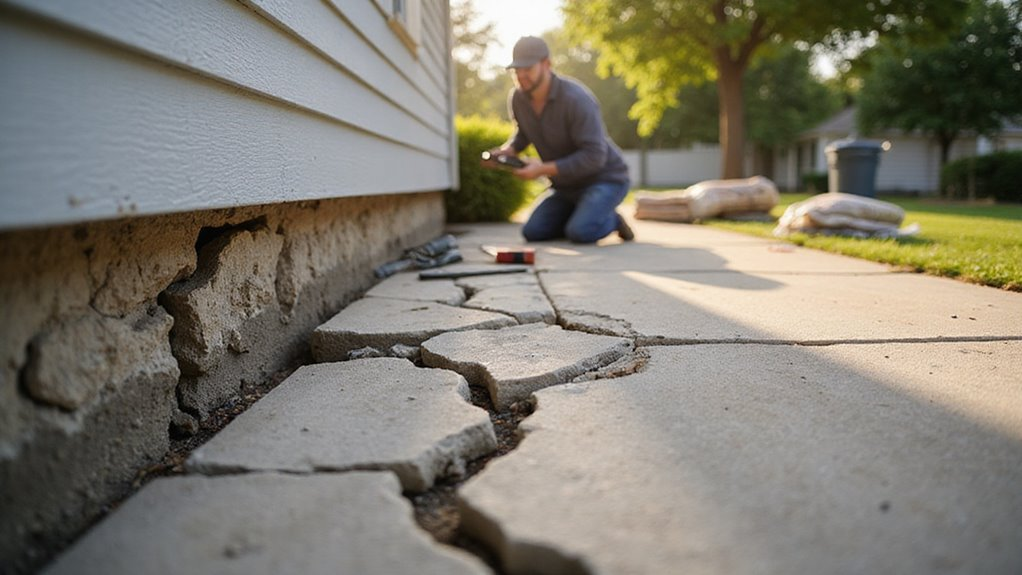
Selling a home with foundation issues is a tough decision for any homeowner. Foundation problems can be expensive to fix and may scare off buyers. Many people wonder if they should repair the damage before listing their property.
If you ignore these issues, you might have fewer interested buyers. Lenders may not approve loans for homes with foundation problems.
This could drag out your sale or force you to lower the price. The best choice is to repair foundation issues before selling your home if you want a smoother, more profitable sale.
Fixing problems upfront can attract more buyers and help your house sell faster. It also avoids last-minute surprises during inspections. This blog will guide you step-by-step so you can make the right choice for your situation.
Key Takeaways
- Repairing foundation issues before selling can increase your home’s value and attract more traditional buyers.
- Unresolved foundation problems often result in lower offers and limit your pool to cash buyers or investors.
- Mandatory disclosure of foundation issues is required by law, even if repairs are completed.
- Professional repairs and documentation build buyer trust, reduce legal risks, and help facilitate smoother transactions.
- Compare estimated repair costs against potential sale price increase to determine the most profitable approach for your situation.
Understanding the Severity of Foundation Problems
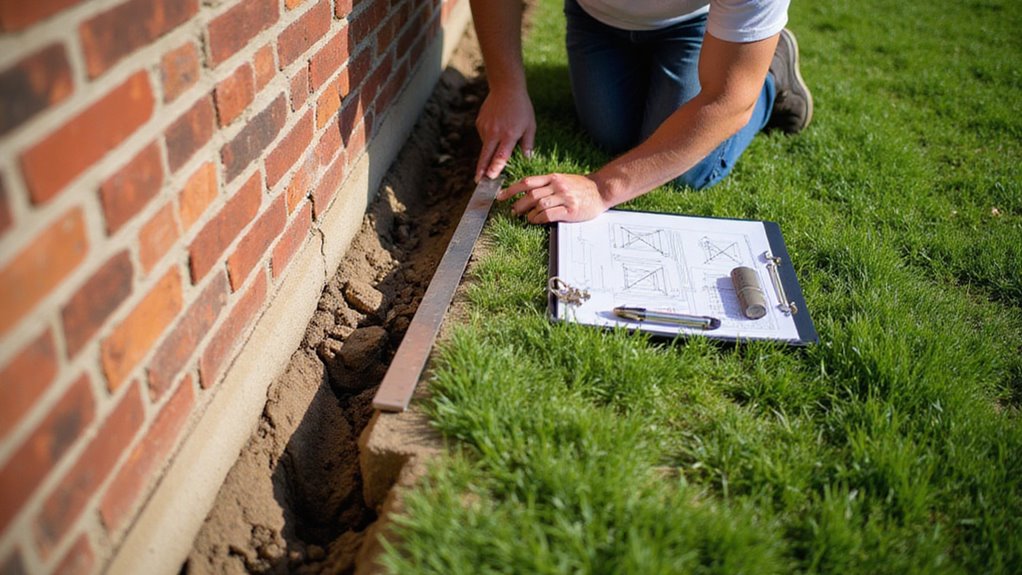
Foundation problems can be minor or severe. A professional inspection is the best way to know how bad the damage is. An expert can spot issues you might miss.
If you leave foundation issues unchecked, they can get worse. The inspection report will clarify the risks and what needs fixing. This helps you decide what to repair first. Especially in Oregon, early identification of foundation problems can help maintain your home’s value and marketability.
A clear plan can save you time and money. You will know which repairs are urgent and which can wait. If you are selling, this information helps you talk with buyers confidently.
If you act early, you can avoid bigger problems later. Taking these steps can protect your home’s value. A good inspection means fewer surprises during the sale process.
Additionally, understanding regional differences in Oregon real estate can help you determine whether foundation repairs will yield a higher return based on your location.
Common Signs of Foundation Damage
You need to watch for clear indicators of foundation damage before listing your home. Cracks in your walls, uneven or sloping floors, and doors or windows that stick are all warning signs you shouldn’t ignore. Recognizing these signs early and considering a thorough property inspection can help uncover underlying code violations impacting your foundation.
Addressing these issues promptly protects your property’s value and reassures potential buyers. Since Oregon real estate laws can impact your sale, properly identifying and disclosing any foundation problems is especially important during the selling process.
Cracks in Walls
Cracks in walls can be a sign of foundation problems. Small cracks are common, but large or growing cracks need attention. If you plan to sell your home, you should fix these issues.
Buyers notice cracks and can tell if they point to bigger problems. Fixing cracks helps keep your home’s value and makes selling easier. Landscaping and other upgrades cannot hide clear wall cracks.
If you see any crack, check its width and direction. Hairline cracks less than 1/16 inch can be fixed with paint or filler. Cracks between 1/16 and 1/4 inch or stair-step cracks should be checked by a professional.
If any crack is wider than 1/4 inch, repair it right away. Cracks in any direction can mean structural trouble. Always act quickly to prevent more damage.
Uneven or Sloping Floors
Uneven or sloping floors often mean there are foundation problems. These issues can lower your home’s value and make selling harder. If floors are not even, repairs may be needed before listing your home.
Buyers and inspectors notice when floors tilt or feel unstable. Furniture that rocks or doors that swing on their own are warning signs. Dips, humps, or gaps near baseboards also suggest structural concerns.
If you hear squeaks or notice shifting when walking, you should check for foundation trouble. Ignoring these problems could scare away buyers. Fixing uneven floors early can help your home sell faster and for a better price.
Sticking Doors and Windows
Sticking doors and windows often mean your home has foundation problems. These issues cause frames to shift and make closing difficult. If you notice this, do not ignore it.
Many people think humidity or old hardware is the cause. However, foundation settlement is a common reason for these problems. A shifting foundation can damage the structure of your house.
If you see cracks near door or window frames, take them seriously. These cracks often show that your foundation is settling. Ignoring these signs can lead to costly repairs later.
Below is a simple guide on what these symptoms may indicate:
| Symptom | What It Indicates |
|---|---|
| Sticking doors | Possible foundation shift |
| Misaligned windows | Lost structural support |
| Cracks near frames | Foundation settlement |
How Foundation Issues Impact Home Value
Foundation problems can lower your home’s value. Appraisers and buyers see foundation damage as a serious risk. If you want to sell, these issues make your house less appealing.
A damaged foundation can cause a lower appraisal. Some buyers may avoid homes with structural problems. Lenders might not approve a mortgage if the foundation is unstable. In addition, unresolved foundation issues can delay or derail the transaction, creating extra hurdles during the sale process.
Foundation damage can also give buyers more power to negotiate. You may need to accept a lower offer. If you fix the foundation, you can protect your home’s value. In Oregon, sellers are required to disclose structural integrity issues in sales contracts, which means failing to address or reveal foundation problems can lead to legal complications or lost buyer trust.
Buyer Concerns and Market Perception

Most buyers are wary of homes with foundation issues. They often expect hidden problems and high repair costs. This concern usually leads them to offer lower prices or lose interest.
Even with good home staging, foundation problems can stand out. Buyers may doubt the home’s safety and worry about future expenses. If buyers think repairs are needed, they may ask for price reductions. Some home buying companies in Creswell accept properties in any condition, including those with major repairs needed, making them an option for sellers facing foundation challenges.
Foundation issues can also affect how the neighborhood is seen. A home that looks risky may make the area seem less appealing. Fewer buyers may want to invest in such a place.
In some cases, home sellers can avoid the hassle of repairs and uncertainty by choosing a cash buy program that accepts properties in any condition, making it easier to sell despite foundation problems.
Costs Associated With Foundation Repairs
You need to understand the typical price range for foundation repairs, as costs can span from a few thousand to over ten thousand dollars. Several factors—such as the extent of the damage, type of foundation, and local labor rates—directly impact what you’ll pay.
In Oregon, if the home is part of an estate valued under $275,000 in personal property or $200,000 in real estate, special probate rules may influence how quickly and cost-effectively you can sell, especially if extensive repairs are required. Knowing these variables helps you budget accurately and make informed decisions before listing your home. In some cases, if repair costs exceed $50,000, selling the property as-is might make more financial sense than taking on major repairs.
Average Repair Price Range
Foundation repair costs usually fall between $2,000 and $7,000. The price depends on the type and severity of the issue. Knowing this helps you plan before selling your home.
Minor cracks may cost as little as $500 to $1,000 to fix. Settling problems typically range from $2,000 to $4,000. Major structural repairs can go over $10,000.
Slab foundation repairs are often more expensive than pier and beam fixes. If landscaping or interior work is needed, costs may rise. You should weigh repair costs against your home’s potential sale price.
Factors Influencing Repair Costs
Several factors can change how much foundation repairs cost. The amount of damage is most important. Minor cracks cost less to fix than major structural problems.
Home size and foundation type also affect price. Larger homes or those with basements often cost more to repair. Material and labor costs depend on these details.
A professional inspection will show the real problems. If repairs are hard to reach, costs may go up. Special tools or extra time may be needed.
Soil and climate in your area can change repair needs. Some methods work better in certain conditions, which affects price. If costs are high, look into financing options.
Financing can help make repairs affordable. It also helps keep your home’s value and attracts buyers. Consider all these factors before starting repairs.
Weighing the Return on Investment for Repairs
Repairing foundation issues can be expensive, but it may increase your home’s value. If the repair adds more value than it costs, it is a good investment. Buyers usually avoid homes with structural problems, so fixing them can help you sell faster.
The sale price may go up after repairs are complete. If repair costs are lower than the value gained, you benefit. Buyers often pay more for homes without major issues. Since homes in Oregon that are part of probate sales must meet certain requirements—including a minimum sale price of 90% of appraised value—addressing foundation issues may help you meet court approval for your sale.
Cosmetic updates help more after fixing structure problems. If nearby homes are in good shape, your home’s value could drop if you do not repair. Neighborhood standards can impact your sale price.
Given Oregon’s real estate regulations, addressing structural issues such as foundation problems is especially important to ensure a smoother sales process and avoid complications at closing.
Disclosures and Legal Obligations
You are legally required to disclose foundation problems when selling your home. State laws make these disclosures mandatory, not optional. Buyers must know about any foundation issues, whether they are fixed or not.
If you repaired the foundation, share the details of the work done. You should also mention any repair warranties that will transfer to the buyer. These warranties can help buyers feel more confident about the purchase. In competitive markets, offering thorough documentation—including repair warranties—can attract cash buyer options seeking a fast sale.
Honest communication and proper documents are important. Full disclosure can protect you from future legal problems. If you follow these rules, your sale process will be smoother and legally safe. When selling property held in a trust, make sure you understand state-specific obligations to address both disclosure and tax compliance requirements.
Selling As-Is: What to Expect
If you choose to sell your home as-is, expect buyers to make lower offers to account for foundation repairs. You still must clearly disclose all known structural issues, as legal requirements don’t disappear with an as-is sale.
By understanding these realities, you can set realistic expectations and protect yourself throughout the process. In Oregon, if the property is inherited and facing foreclosure, you have specific rights and responsibilities under the Oregon Trust Deed Act, which can impact both your selling timeline and obligations to buyers.
Lowered Offer Expectations
If you sell your home as-is with foundation issues, expect lower offers. Buyers will consider repair costs and possible risks. This means your home will not sell for as much as one in good condition.
Most buyers will want to know repair costs before making an offer. If a home inspection shows problems, buyers may lower their offer even more. Some buyers may ask for professional repair estimates.
Homes with foundation issues often attract investors or cash buyers. These buyers usually offer less than market value. The selling process may take longer due to buyer concerns.
Negotiations will likely focus on repair costs instead of your home’s features. If you are highly motivated to sell, buyers may use this to negotiate a lower price. Setting realistic expectations can help you make better decisions.
Disclosure Requirements Explained
You must legally disclose any foundation issues when selling your home. Most states require you to inform buyers about known defects. This is true even if you are selling the house as-is.
If you have inspection or engineering reports, you must share them with buyers. Written disclosures about structural problems are often required by law. Failure to disclose can lead to lawsuits or canceled sales.
Honest disclosure builds trust and can prevent last-minute problems. Being upfront may also help you close the sale faster. Remember, an as-is sale does not remove your responsibility to disclose issues.
Attracting Cash Buyers and Investors
Cash buyers and investors often see foundation issues as chances to negotiate better deals. They may want properties they can repair and sell for a profit. If you market your property to them, you increase your chances of a quick sale.
Foundation issues can attract cash buyers seeking investment opportunities, making it possible to sell your property quickly despite needed repairs.
A professional foundation inspection shows the true condition of your property. Inspection reports help buyers understand the repairs needed. You should use these reports to answer questions and build trust.
If you provide repair estimates, buyers can plan their investments. You can also highlight how the property’s value may rise after repairs. This can make your property more appealing to investors.
Buyers want clear information and honest answers about problems. If you are open about the foundation issues, your property can still attract serious investors. Cash buyers often move quickly if all facts are clear.
Negotiating With Buyers Over Foundation Issues
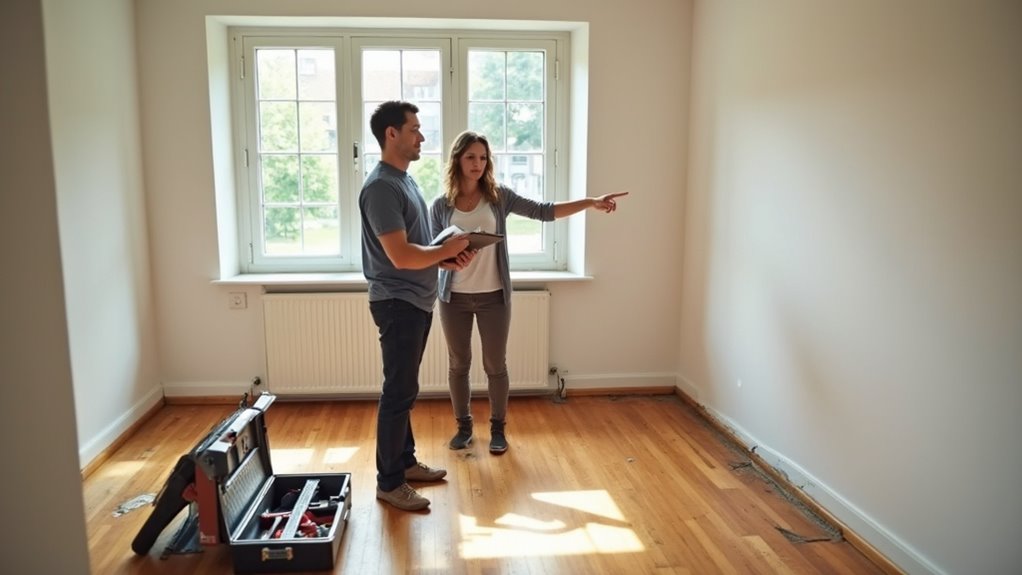
Foundation issues may worry buyers, so open and honest talks are important. Sellers should give buyers all inspection reports and repair estimates early. This helps build trust and sets clear expectations.
If you share all the facts, buyers will feel more comfortable. Sellers can also stage rooms and show recent updates to highlight the home’s good points. These steps help buyers see the home’s value beyond the foundation issue.
Here are some smart ways to negotiate:
| Strategy | Benefit |
|---|---|
| Offer repair credits | If buyers want, they can fix things their way. |
| Highlight renovations | It shows the home has been well cared for. |
| Stage main living areas | A welcoming look helps reduce buyer worries. |
Working With Real Estate Agents Who Understand Structural Problems
A real estate agent who understands structural problems can help you sell your home with confidence. If your home has foundation issues, an experienced agent knows how to handle the process. The agent can explain the impact on value and guide you through each step.
A knowledgeable agent will show buyers any repairs or improvements you have made. If you have a structural warranty, the agent will use it to reassure buyers. Proper documentation from inspectors or contractors can also build trust.
The agent will highlight all steps you took to increase your home’s stability. If buyers have questions, the agent can clearly explain the benefits of these measures. This approach can help protect your investment and attract serious buyers.
Financing and Insurance Implications
Financing and insurance are important when selling a home with foundation issues. Lenders usually avoid giving loans for homes with major structural problems. Insurance companies may also refuse coverage or charge higher premiums.
These challenges can make it hard for buyers to get a loan or insurance. A smaller buyer pool often means less bargaining power for the seller. If you fix foundation issues before listing, you may attract more traditional buyers.
If you decide not to fix the foundation, expect delays and fewer interested buyers. Loan approvals often get delayed or denied for such homes. Insurance rates can also increase or coverage may be denied.
Timing Considerations: Repair Now or Wait?
If you need to choose when to repair your foundation, consider the urgency of the problem first. Major foundation issues should be fixed right away. Small cracks may give you some time to decide. Prioritize urgent foundation repairs, but small cracks may allow you a bit more time to make your decision.
Immediate repairs can help you attract more buyers. A fixed foundation can also support a higher asking price. If you wait, the damage may get worse and cost more to repair.
Delaying repairs can make buyers nervous about the home’s condition. Some buyers want a move-in ready home and may walk away. If you wait, lenders or inspectors might flag problems and slow the sale.
Market seasons can also affect your timing. Repairs in the spring or summer might be easier to schedule. Always weigh your options before making a decision.
Making the Best Choice for Your Situation
To make the smartest decision, you need to evaluate how repair costs will affect your bottom line and understand your legal obligations to disclose foundation issues. Weigh the advantages of boosting your home’s marketability against the potential savings of an as-is sale. By analyzing these factors, you’ll position yourself for the most effective outcome.
Assessing Repair Cost Impact
Before repairing foundation issues before selling your home, check if the repairs will improve your final profit. If repair costs are too high, you may not get enough return. Sometimes, repairs make sense if they help you get a higher price.
Compare the repair costs to the home’s value after fixing the problems. You should check if buyers will feel more confident after repairs. Home staging may help highlight these improvements.
Look at recent sales of homes like yours, both with and without repairs. Consider how neighborhood safety could affect buyer interest and prices. If repairs do not bring higher offers, you might decide to sell as-is.
Weighing Disclosure Requirements
You must tell buyers about any foundation issues when selling your home. If you hide problems, you could face legal trouble. Honest disclosure protects you from lawsuits and financial loss.
Insurance companies may deny coverage if they find hidden foundation issues after a sale. They might also raise premiums for the new owner. Telling the truth helps avoid these problems.
Buyers and appraisers will lower their offers if they know about foundation damage. Full disclosure keeps the sale process smooth. It also builds trust with buyers.
Knowing and following disclosure rules keeps you safe. If you are upfront, you reduce risks and protect your interests. Always check your local laws to be sure.
Marketability Versus As-Is Sale
Marketability improves if you repair foundation issues before selling. As-is sales are often harder because buyers worry about hidden problems. Your choice affects both the speed of sale and the final price.
Foundation repairs and a structural inspection can attract more buyers. These steps remove doubts and help you get better offers. If you skip repairs, you may wait longer to sell and get lower offers.
Investors may buy homes as-is, but they usually offer less. Regular buyers prefer properties without major issues. Appraisals and loan approvals can be harder for homes with foundation problems.
If you need to sell quickly, an as-is sale might suit you. However, repairs could mean a higher return. Consider your costs, timeline, and buyer type before deciding.
Conclusion
If you want to sell your home smoothly, you should consider repairing foundation issues first. Addressing these problems can increase your home’s value and attract more buyers. This step often prevents delays and complicated negotiations during the sale.
If you choose not to repair the foundation, you may face lower offers or fewer interested buyers. Some buyers might back out or ask for big discounts due to needed repairs. If you want a faster and easier sale, fixing the foundation could be the better choice.
If you prefer to avoid repairs and sell as-is, we buy houses for cash in any condition. OR Home Buyers can give you a fair cash offer and close quickly. Contact us today if you are ready to sell your home without the hassle.




Hi, I’m Bob Bash, founder of OR Home Buyers, serving the Oregon community since 2017. We provide full-service real estate solutions, specializing in cash purchases for both residential and commercial properties. I started this business to help our community navigate difficult real estate situations with professionalism, ethics, and compassion.
My goal is simple: to make every client feel relieved and happy when their real estate challenges are resolved. Helping people find solutions and peace of mind is what drives me every day.