
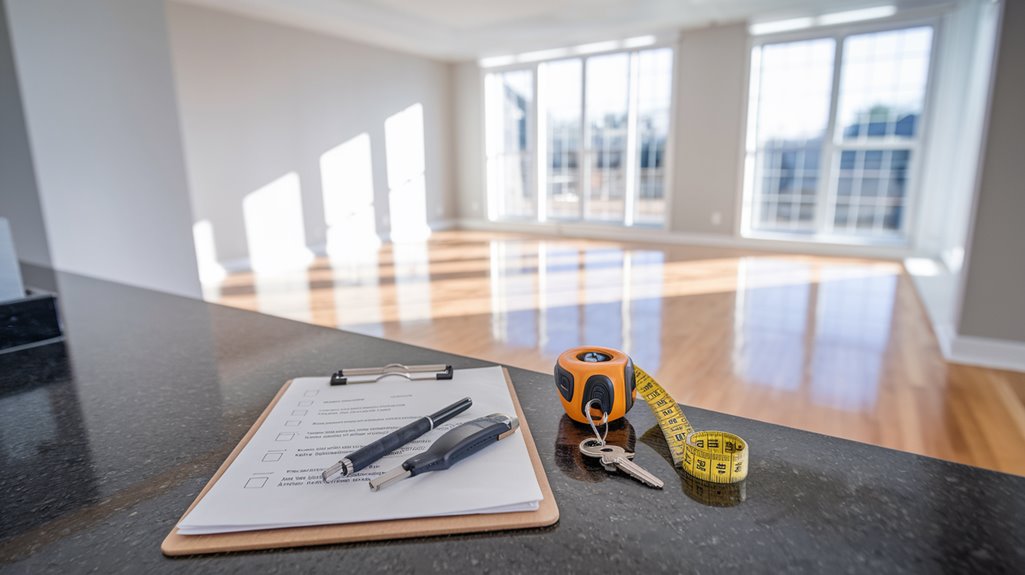
Discovering a foreclosure property with great potential is exciting, but listing it immediately can be a risky move. Without proper steps, you might face legal issues, financial losses, or missed opportunities. The process isn’t simple, and rushing could cost you dearly.
Now, imagine losing money or facing lawsuits because you skipped crucial checks. The stress of unexpected repairs or title disputes can overwhelm you. Every oversight might delay your sale or reduce profits significantly. But don’t worry, there’s a clear path to success with the right approach.
Follow these essential steps before listing a foreclosure property to ensure success. With careful planning, you can avoid pitfalls and maximize returns effortlessly. This blog will guide you through vital actions to protect your investment and succeed.
Key Takeaways
- Conduct a thorough title review to confirm ownership and identify any liens or disputes.
- Inspect the property condition to prioritize necessary repairs before listing.
- Research the foreclosure process and verify status using public records.
- Assess financing options and calculate potential repair costs for budgeting.
- Develop a pricing strategy based on local market trends and comparable sales.
What are the key steps before listing a foreclosure property?
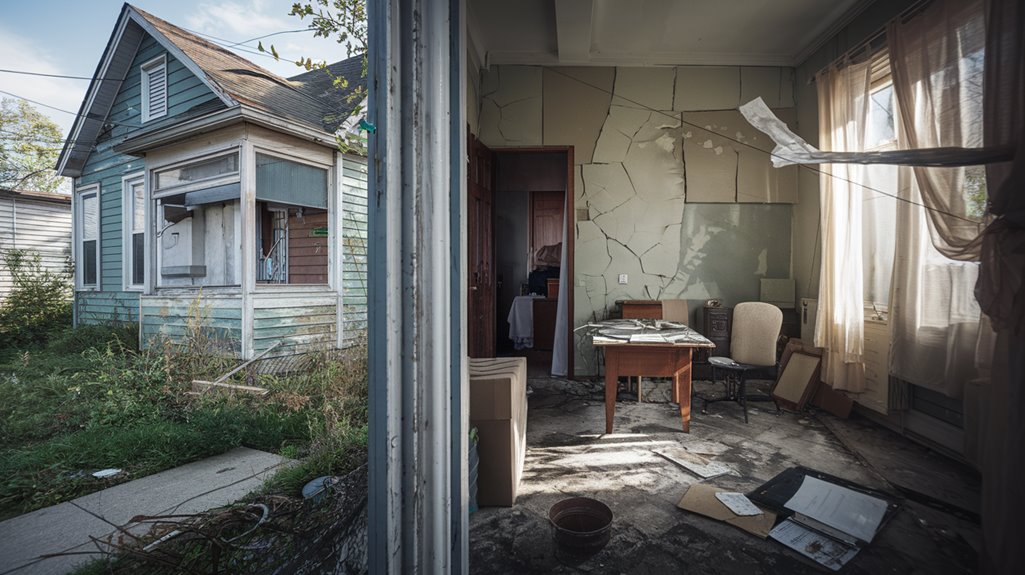
When preparing to list a foreclosure property, you must tackle several critical steps to ensure a smooth process. Start by focusing on due diligence, understanding the foreclosure process, addressing financial preparation, handling legal considerations, and planning your marketing and listing strategy.
You’re setting the foundation for success by prioritizing these key actions before moving forward. Additionally, it’s essential to evaluate your financial situation by thoroughly reviewing outstanding mortgage balances and other debts to determine your equity position.
1. Due Diligence
As you prepare to list a foreclosure property, conducting thorough due diligence is critical to avoid pitfalls. Start by performing a detailed title review to uncover any liens or legal issues, while also inspecting the property’s condition to identify necessary repairs or hazards.
Don’t overlook a neighborhood assessment either—knowing the area’s market trends and safety factors can significantly impact your listing strategy.
Title Review
Precision is key when reviewing a title for a foreclosure property. You must confirm ownership before listing it. Check for liens that could affect the sale. Look for legal disputes tied to the property. If past Domain Registration issues exist, address them early.
Trademark Filing problems might also need resolution. Ensure the title is clear with a detailed search. If unresolved claims linger, they can stop your sale. Act quickly to secure a clean title. A marketable title helps avoid delays.
Property Condition
To ensure a foreclosure property is ready for listing, inspect its condition thoroughly. Identify damages and prioritize essential repairs. If historical significance exists, highlight it to attract buyers.
Unique architectural features should be emphasized for added appeal. Keep the property clean, safe, and presentable for a strong first impression. Pay attention to details, as buyers value quality and care.
Neighborhood Assessment
This section explores the area around the property with a clear neighborhood assessment. Historical significance might attract certain buyers if it’s notable. Biodiversity levels can show environmental strengths or issues if they’re unbalanced.
Local amenities could boost appeal if they’re nearby and useful. Crime rates may deter interest if they’re high in the area. School quality often matters to families if they’re considering relocation. Understanding these factors helps highlight the property’s strengths and possible challenges.
2. Understanding the Foreclosure Process
Understanding the foreclosure process is essential before listing properties for sale. It helps avoid legal issues and ensures smooth transactions. First, learn about foreclosure types, as judicial and non-judicial methods differ by state. These variations can affect the timeline of the process.
Next, check redemption rights since some states let owners reclaim properties if conditions are met. Knowing these laws will protect your interests during the deal. Also, verify the foreclosure status using public records to confirm the property is ready. If you grasp these basics, you’ll handle foreclosure listings with confidence.
3. Financial Preparation
As you prepare to list a foreclosure property, getting your finances in order is critical. Start by assessing your financing options to ensure you’ve got the capital to cover upfront costs or secure a solid loan.
Then, calculate potential repair costs accurately, so you’re not caught off guard by unexpected expenses.
Financing
Managing finances for listing a foreclosure property needs careful planning. You must explore funding options to secure money. Consider Equity Financing if you want to use ownership stakes for funds.
Look into Debt Instruments like loans or bonds for support. Make sure you understand repayment terms and interest rates. If you plan well, financing strategies can help you list confidently. Strong finances will also attract potential buyers to your property.
Repair Costs
Before listing a foreclosure property, assess repair costs carefully. Budget wisely to cover all necessary fixes. If you ignore costs, you might face financial surprises. Study trends to estimate expenses for structural or cosmetic issues.
Prioritize key repairs to increase property value. If buyers expect updates, ensure you meet those standards. This preparation helps maximize your investment return.
4. Legal Considerations
As you prepare to list a foreclosure property, you must address critical legal considerations to avoid potential pitfalls. Ensure you’re aware of trespassing laws, as unauthorized access to the property can lead to serious legal repercussions. Don’t hesitate to seek expert legal advice to navigate these complexities and protect your interests.
Trspassing
When dealing with a foreclosure property, you must avoid legal issues. Trespassing can lead to serious trouble. If you’re unsure, always check your rights before taking action. Follow these clear steps to stay safe.
- Check Ownership: Verify who owns the property legally.
- Get Permission: Always ask for clear consent to enter.
- Keep Records: Document every action you take carefully.
- Stay Within Limits: Never cross boundaries without proper authority.
Legal Advice
When listing a foreclosure property, consulting a legal expert is essential. They can help you avoid major problems. If environmental law issues arise, a lawyer ensures compliance to prevent liabilities.
Family disputes over ownership might occur, so resolve them early. Without proper guidance, you could face costly delays or lawsuits. Seek clear legal advice to handle these complex issues before listing.
5. Marketing and Listing
As you move into marketing and listing a foreclosure property, start by conducting thorough market research to understand local trends and set a competitive price.
Develop a sharp listing strategy, leveraging professional photography and crafting clear, persuasive descriptions to highlight the property’s value. Ensure a strong online presence by posting on key platforms to attract potential buyers quickly.
Market Research
Market research helps you price the property correctly and draw in potential buyers. It gives you a clear picture of the market. If you skip this step, you might set the wrong price.
Key research steps include:
- Local sales data shows what similar homes sold for recently.
- Market trends reveal if prices are rising or falling now.
- Competing properties help you see what else buyers can choose.
- Buyer preferences tell you what features people want most.
With this information, you can make the property stand out. If done well, it will attract serious offers.
Listing Strategy
To make a foreclosure property stand out, focus on its unique features in the listing. Highlight special aspects like a big yard or modern updates. If the property has charm, mention it clearly to grab attention. Use appealing photos to show the home’s best sides.
Buyers may notice a property faster with Incentive Programs. Offer bonuses like closing cost help if they act quickly. Strong Negotiation Tactics can also seal the deal efficiently. Address buyer worries with clear answers to build trust.
Price the property competitively to avoid it sitting unsold. Market it actively on multiple platforms for wider reach. If the market is crowded, aggressive promotion helps the property shine. These steps ensure your listing doesn’t get overlooked.
Professional Photography
Many buyers judge foreclosure properties by their photos, so professional photography is essential. You must hire a skilled photographer. They should use studio lighting to emphasize important features. Here are key tips to follow:
- Schedule the shoot early if you want the best natural light.
- Stage rooms attractively as if preparing for a magazine feature.
- Choose angles that make spaces look larger and inviting.
- Edit images carefully so the results appear perfect and polished.
Clear Descriptions
Clear descriptions make a foreclosure listing noticeable in a busy market. They help buyers understand the property’s worth quickly. If you write with clarity, your listing will attract more attention. Use simple words to explain important features. Address any concerns buyers might have upfront.
Be precise in every detail you share. If there’s a unique aspect, highlight it clearly. Direct language builds trust with potential buyers. Keep sentences short for easy reading. A strong description can set your listing apart.
Online Presence
Building a strong online presence for your foreclosure property is key to attracting buyers. If you focus on digital tools, success becomes easier. Follow these clear steps to stand out.
- Build a simple website to display your property details.
- Improve search engine rankings to gain more visibility.
- Use social media platforms to reach potential buyers.
- Participate in real estate forums to connect with others.
Conclusion
As you finalize listing a foreclosure property, preparation is key to success. If you’ve completed due diligence, you’re on track. Having understood the process, financial prep, and legal steps ensures confidence. Should you have a strong marketing plan, listing becomes smoother.
If challenges arise, remember we buy houses for cash at OR Home Buyers. Should you need a quick sale, we’re here to help. When you’re facing delays, our team offers fast, fair solutions. If you’re unsure, trust us to simplify the process.
When you’re ready, reach out to us at OR Home Buyers for support. If you seek a hassle-free option, we’re available. Contact us today to turn your foreclosure into an opportunity.




Hi, I’m Bob Bash, founder of OR Home Buyers, serving the Oregon community since 2017. We provide full-service real estate solutions, specializing in cash purchases for both residential and commercial properties. I started this business to help our community navigate difficult real estate situations with professionalism, ethics, and compassion.
My goal is simple: to make every client feel relieved and happy when their real estate challenges are resolved. Helping people find solutions and peace of mind is what drives me every day.