
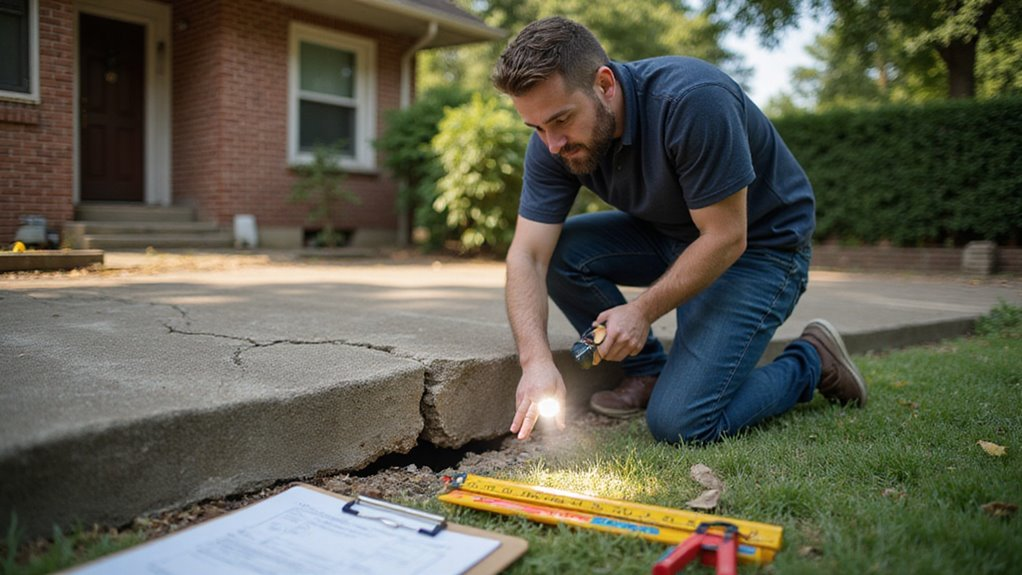
Many homeowners worry about hidden problems in their house, especially when it comes to foundation issues. These problems often go unnoticed until they cause serious damage. If you ignore early warning signs, you might face expensive repairs and a drop in your home’s value.
When foundation issues are not clearly understood, they create stress and uncertainty. You may feel unsure about what steps to take or how serious the problem is. This confusion can lead to delays and bigger repair bills. A structural report is essential because it reveals the true condition of your home’s foundation and guides your next steps.
By reading and understanding this report, you can protect your investment and avoid costly mistakes. A clear report helps you make smart decisions and plan repairs confidently. This blog will guide you through reading structural reports and solving your foundation concerns step by step.
Key Takeaways
- Structural reports are detailed assessments by licensed engineers evaluating a home’s foundation and overall structural integrity.
- These reports identify issues like cracks, uneven settlement, and water intrusion that may affect safety and property value.
- Reports include photographs, test results, and recommendations for necessary repairs or further investigations.
- Lenders, insurers, and buyers often require structural reports before real estate transactions involving foundation problems.
- Accurate reports support informed decisions, ensuring repairs comply with building codes and protecting against legal or insurance issues.
What Is a Structural Report?
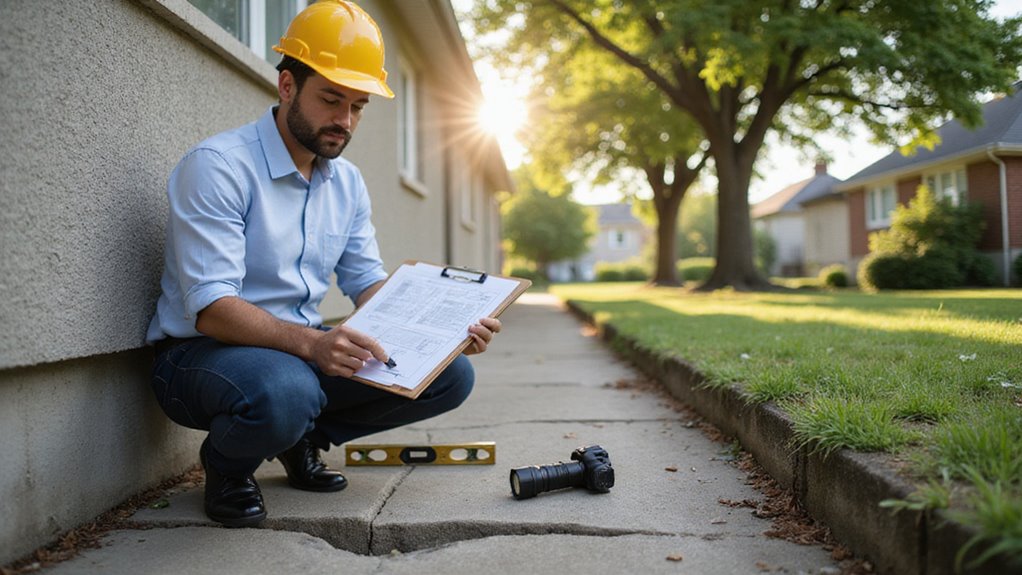
A structural report is a detailed document about a building’s strength and safety. A qualified structural engineer creates this report after inspecting the property. It answers if the building is stable and safe.
The report looks at main parts like foundations, beams, columns, and walls. It checks for damage, weakness, or any safety issues. If problems are found, the report will describe them clearly. In Oregon, understanding and providing accurate property disclosures is especially important if the structural report finds any issues that could affect the home sale process.
People use structural reports before buying, selling, or changing a property. Lenders and insurance companies may ask for this report to reduce risk. If you need to make a big property decision, a structural report can help you understand its condition.
When preparing to sell a house in Oregon, understanding essential repairs highlighted in a structural report can also help you meet real estate regulations and maximize appeal to buyers.
Signs Your Home Might Need a Structural Assessment
Some signs show your home may need a structural assessment. Cracks in walls, ceilings, or foundations are key warning signs. If these cracks get bigger or form stair-step shapes, you should call a professional.
Uneven floors or doors and windows that stick can mean the foundation is moving. Probate sales in Oregon often require court approval before making repairs or listing a home if major foundation issues are present. Gaps between walls and ceilings are also a concern. If these problems appear, it is best to get an expert opinion.
Structural engineers check cracks carefully to see if they are serious. They can tell the difference between simple and dangerous issues. Water pooling near the foundation might also mean the soil needs testing.
Early checks can protect your home’s value. If you plan to buy or sell, finding these issues early can help with repairs or negotiations. Always take these warning signs seriously for your safety and investment. When getting a structural assessment, consider Oregon real estate laws that may affect disclosure and selling requirements if significant issues are found.
Who Prepares Structural Reports?
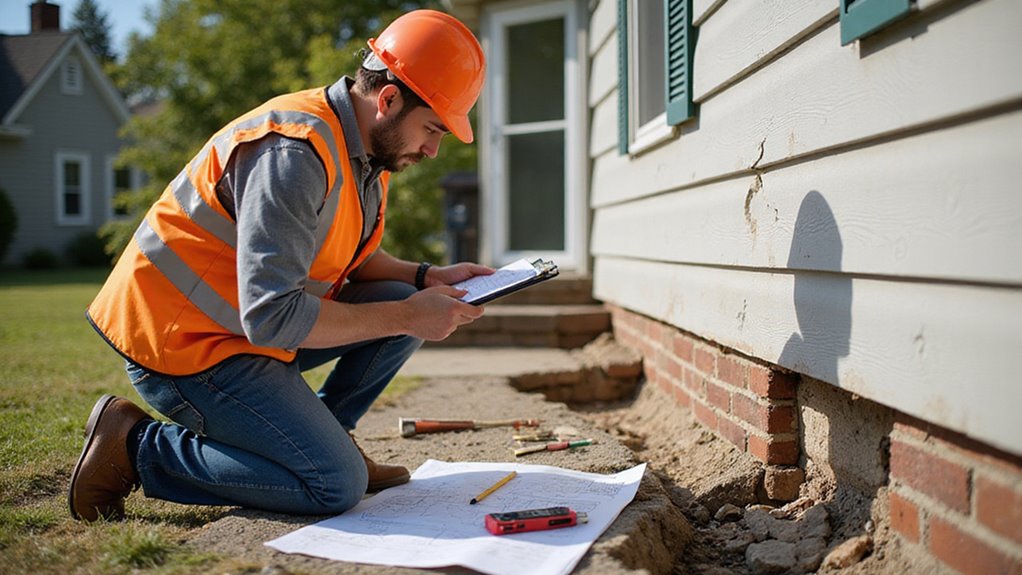
Structural reports are prepared by licensed structural engineers. These experts have the proper training to evaluate your home’s stability. If you need a structural report, always hire a licensed engineer.
Structural engineers check foundations, soil, and any shifting in your home. They know local building codes and permit requirements. Their work is more detailed than what a general contractor or home inspector provides. When preparing for a sale, it’s important to understand potential selling costs related to foundation repairs, which a structural report can help clarify.
Other professionals may help in certain areas. Civil engineers focus on drainage and load issues. Home inspectors offer general checks, while building officials review permits and code rules.
Choosing the right expert gives you accurate results. If you suspect a structural problem, contact a structural engineer first. This helps ensure your home stays safe.
For properties affected by hoarding or extensive clutter, it’s sometimes necessary to involve professional clean-out services before the structural assessment can be performed safely and thoroughly.
Key Components of a Structural Report
You’ll need to recognize the essential elements that make a structural report both comprehensive and reliable. These documents outline critical assessment methodologies, such as visual inspections, material testing, and load calculations, which underpin professional recommendations.
In Oregon’s competitive real estate environment, it’s crucial to understand how proactive pest management can impact structural integrity, especially when documentation builds trust and helps smooth the sales process. Understanding these components ensures you can evaluate reports with confidence and align with industry best practices.
It’s especially important to look for references to local real estate laws, as these can significantly influence both the evaluation process and your responsibilities as a seller in Oregon.
Essential Report Elements
A structural report gives clear insights and supports regulatory compliance when it covers all key elements. It must address both technical accuracy and current market needs. The report should also show how it meets legal requirements.
Every good report explains soil stability because this affects the home’s foundation. If soil risks exist, the report should suggest ways to manage them. Soil analysis helps prevent future structural problems.
The report must reference current building codes. If codes change, recommendations should match the latest standards. This keeps the building safe and legal.
Photographs of any damage or issues should be included. Pictures support the findings and make the report easier to understand. If needed, these images can be used for future repairs or claims.
If a report contains these elements, its findings will be useful and reliable. Clear reporting helps homeowners and builders make informed decisions.
Assessment Methodologies Explained
Assessment methodologies are key to making structural reports reliable. These methods help engineers find and measure problems with a building’s foundation. Each method serves a specific purpose to ensure accurate recommendations.
Visual inspection looks for clear signs of damage like cracks or leaning walls. Structural measurement checks for movement or shifts using tools that measure levels or deflections. Soil analysis examines the ground under the building to understand its type and stability.
If an assessment is not thorough, important issues may be missed. Missed problems can lead to expensive repairs later. Market trends show that full assessments help avoid these costly mistakes.
Common Foundation Problems Identified in Reports
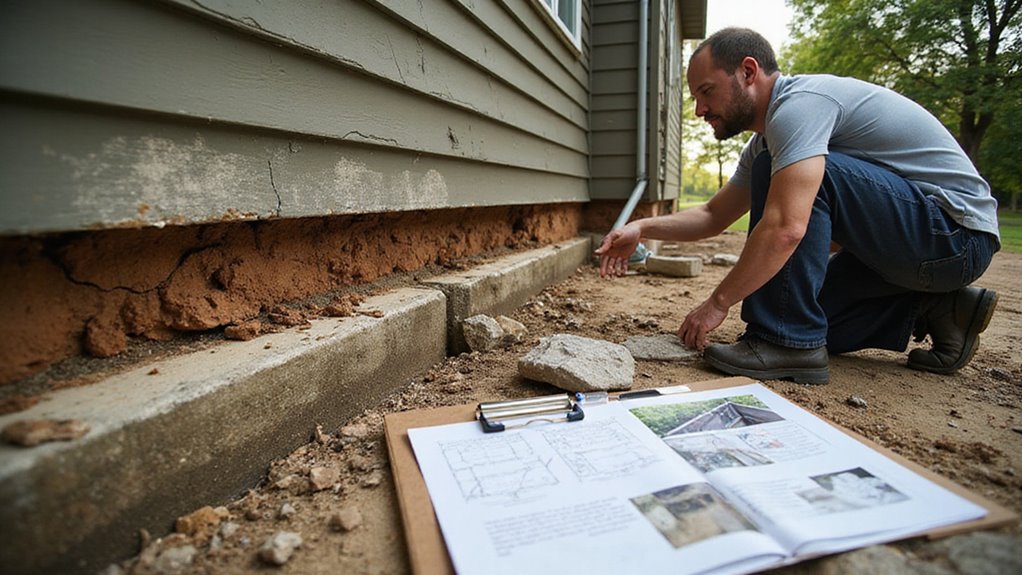
Structural reports often list common foundation problems that can harm a building. These issues usually come from unstable soil or water problems. If not fixed, they can lead to expensive repairs.
Poor soil, like clay or loose dirt, can cause the foundation to settle unevenly. Concrete slabs, pier-and-beam, or masonry bases may then crack or shift. Cracks are a sign that the structure is under stress.
When reviewing your report, it’s useful to recognize how market perception of visible damage may influence property value and buyer interest. Uneven settling from poor soil can crack or shift your foundation, signaling stress and potential structural problems.
Water entering the ground under the building can weaken its base. Bad drainage makes this worse. If you see these issues in your report, you should consider repairs quickly.
Knowing these terms and findings helps you plan the right fix. You can then take steps to prevent future damage. Always review your structural report closely for these common problems.
If you’re buying or selling a home held in a trust, it is important to understand how state-specific inheritance tax rules may affect your repair and sales decisions.
The Inspection Process Step by Step
Inspectors follow clear steps to check your property’s structure. They aim to find any signs of damage or weakness. This process helps ensure your home is safe and stable.
The inspection starts with a visual check for cracks and movement. Inspectors use tools like laser levels to measure floor elevations. Changes in elevation can show where problems might exist. Understanding market analysis can also provide insight into how such issues may impact your home’s value and sale prospects.
They examine the outside of the home for drainage and grading issues. If water does not drain away, it could cause foundation trouble. Inspectors also collect soil samples to check strength and water content.
Local soil types and settlement patterns are considered in their review. If your area has common issues, inspectors will note them. Their final report gives clear advice based on these findings.
Understanding seller disclosure requirements in Oregon is important if you plan to sell a home with known foundation issues, as these legal considerations will affect how you proceed after the inspection.
Understanding Engineering Terminology in Reports

Engineering terms in reports help you understand a home’s condition. These words show what problems may exist and how urgent repairs are. If you know these terms, you can make better decisions about repairs.
Fire damage and transparent disclosure play a crucial role in how structural reports are interpreted and how the home will be valued or repaired. Understanding engineering terms in reports helps you spot problems and decide how quickly repairs are needed for your home.
Soil stability means the ground can support your home without moving. If the soil is unstable, the foundation may shift or settle. This can lead to cracks or other damage.
Load bearing describes walls or parts that hold up weight from above. If a load bearing wall is damaged, floors or roofs could sag or collapse. Always check if repairs affect these parts.
Differential settlement happens when the foundation sinks unevenly. This often points to bigger issues under the home. If inspectors mention this, you may need further evaluation.
Some homes with inherited or estate issues may require understanding probate process basics if ownership or sale becomes part of the repair and selling decision.
How Structural Issues Affect Home Value
Structural issues lower a home’s market value. Buyers see problems like foundation cracks or soil instability as expensive and risky. These concerns make homes harder to sell for a good price.
Appraisers will list structural defects in their reports. If these issues are present, they will reduce the home’s appraised value. This can lead to lower offers from buyers.
Lenders and insurance companies may refuse to finance or insure homes with major structural problems. If the soil is unstable, the risk is even higher in certain areas. This limits the number of buyers who can purchase the home.
Sellers must disclose all known structural issues. Accurate records can help manage buyer concerns. Quick repairs and open communication can reduce the impact on value. In some cases, buyers may seek alternative financing options such as assumable mortgages if standard loans are unavailable due to foundation problems.
Recommended Repairs and Next Steps

A structural report lists what repairs your home needs. You should fix these problems quickly to keep your home safe and valuable. Quick repairs also help when selling or refinancing your property.
Engineers may recommend stabilizing your foundation if there is settlement. You might need piers or underpinning to stop future movement. These repairs restore your home’s strength.
Cracks or damaged supports need attention as well. Epoxy injection or replacing beams and joists can solve these issues. Such repairs stop further damage.
Ongoing monitoring is important after repairs. You can use sensors to track future movement or shifting. Early detection helps prevent bigger problems. Following these steps protects your home’s value. Proper repairs also give peace of mind to buyers and lenders.
Cost Factors Associated With Structural Reports
When budgeting for a structural report, you’ll need to account for professional inspection fees, which vary based on the engineer’s qualifications and scope of work. The complexity of your property’s issues can increase report costs, as more detailed analysis and documentation require additional time and expertise. Geographic location also plays a significant role, with market rates differing widely between regions and urban versus rural settings.
Professional Inspection Fees
Professional inspection fees are one of the main costs in getting a structural report. Licensed engineers usually charge more because of their training and experience. Fees also depend on where you live and how many inspectors are available.
Engineers charge for their time, expertise, and the equipment they use during inspections. If you need a detailed report, the fee often includes a full check of the foundation and structure. It may also cover soil testing to find the cause of problems.
Written reports from engineers are usually required for buying or selling property. These reports can help with repairs or insurance claims. If you want to plan your budget, you should ask what is included in the fee.
Report Complexity Impact
The complexity of a structural report directly affects its cost. If a problem is complicated, the report will be more expensive. Simple issues like small cracks cost less to examine and report on.
Engineers spend more time on reports for advanced foundation problems. They may use special tools and advanced methods for detailed analysis. These steps increase the total cost.
Complex reports often have diagrams, calculations, and custom repair advice. Basic reports do not need these extras. If your home has serious issues, expect to pay more for a thorough report.
Geographic Price Differences
Location affects the price of a structural report. Costs vary because of different labor rates, rules, and soil conditions. If you live in an area with special risks, you may pay more.
Soil problems in your region can make reports more expensive. Engineers might need to do extra work where soil is unstable. This extra effort increases the final price.
Local laws and permit steps can add time and effort to the inspection. If rules are strict, the inspection process costs more. Urban areas also tend to have higher fees due to demand.
Travel costs and local risks can increase prices as well. If an engineer has to travel far, fees may go up. Always check local conditions before planning an inspection.
How to Choose the Right Structural Engineer
Choosing the right structural engineer is important for any project. You should look for someone with the right qualifications and experience. Always check if the engineer is licensed and has worked on similar foundation issues.
A licensed engineer follows local building codes and industry standards. Experience with foundation problems shows they can handle settlement and reinforcement. If you need proof, ask for examples of past projects.
References and a project portfolio help confirm the engineer’s skills. Reliable engineers share detailed reports and clear recommendations. If you have concerns, discuss them before hiring to ensure the best results.
Legal and Insurance Considerations
You need to understand how structural reports impact disclosure obligations, insurance claim substantiation, and legal liability during real estate transactions. Insurers and buyers scrutinize these documents to assess risk exposure and compliance with statutory requirements. By addressing these factors early, you’ll mitigate disputes and protect your interests in the marketplace.
Disclosure Requirements for Sellers
Sellers must follow strict rules about disclosing structural reports. You are required to tell buyers about any known foundation or structural problems. This includes issues found in any professional report.
If you do not share this information, you could face legal trouble or lose the sale. You might also have to pay a fine. Full and honest disclosure protects you and helps buyers trust the sale process.
You should give buyers copies of all structural reports and repair records. Make sure buyers can review all relevant documents. If the law changes in your area, you need to stay informed.
Proper disclosure can help you avoid disputes after the sale. It also improves your reputation with buyers. If you follow these rules, your property sale will go more smoothly.
Insurance Claim Documentation
Insurance helps cover costs if you find structural problems in your home. First, check your insurance policy to see if it includes foundation or structural damage. If it does, gather all documents needed to file a claim.
You should collect your structural report, repair estimates, and photos of the damage. These records must describe what caused the problem and how serious it is. If your claim is clear and complete, the process is usually faster.
Insurance companies may send an adjuster to look at the damage. If you keep records organized and accurate, it can prevent delays or disputes. Meeting deadlines and keeping copies of all paperwork is important.
If you submit your claim promptly with solid proof, you may increase your chance of reimbursement. Proper documentation is key when dealing with insurance and structural issues. If you have questions, contact your insurer for help.
Liability in Real Estate
Liability matters in real estate because it protects you from legal and financial risks. If a home has foundation problems, liability can become a major issue. Undisclosed or poorly documented defects may lead to lawsuits for both buyers and sellers.
Liability insurance helps cover costs if someone makes a claim after a sale. You should check your insurance policy for any exclusions about foundation issues. If there are gaps, you may need extra coverage.
All structural reports should be complete and shared with all parties. If you fail to disclose important issues, you could face legal action. Detailed documentation helps prevent future disputes.
If you are unsure about your obligations, consult a lawyer. Legal advice can help you understand your responsibilities. This reduces your risk of being sued later.
Using the Report When Selling or Buying a Home
A structural report is important when selling or buying a home. It shows the condition of the home’s structure. This helps both the seller and the buyer understand any major problems. A structural report reveals a home’s condition, helping both buyers and sellers identify and understand any major structural issues.
Sellers can use the report to be honest about the home’s foundation and soil. If the report finds issues, sellers can fix them or share this information with buyers. This can help build trust with buyers.
Buyers can use the report to check for foundation problems and estimate repair costs. If there are issues, buyers may negotiate the price. Lenders might also ask for the report before giving a loan.
A structural report can help both parties make better decisions. It supports honest negotiations and reduces surprises later. If used early, it can make the home sale process smoother.
Preventative Measures for Future Foundation Problems
You can safeguard your property’s structural integrity by prioritizing routine drainage system maintenance and proactive soil moisture management. These measures directly mitigate differential settlement risks and preserve foundation performance over time. In today’s market, buyers and insurers increasingly value homes with documented preventative strategies in place.
Routine Drainage System Maintenance
Routine drainage system maintenance keeps water away from your property’s foundation. This protects against moisture and soil movement. If you neglect maintenance, your foundation may suffer damage.
Well-maintained drainage systems reduce the risk of costly repairs. Market data shows these systems help prevent structural problems. Homeowners should make drainage upkeep a priority.
Inspect and clean gutters and downspouts to avoid water pooling near the foundation. If you find clogs or damage in drains, repair them quickly. Proper site grading should always direct water away from the house.
Check both surface and subsurface drains, including French drains, for blockages. If you see water collecting near the foundation, address it immediately. Regular inspections help maintain effective water management.
Soil Moisture Management
Soil moisture management keeps your home’s foundation stable. If soil gets too wet or too dry, it can shift or crack. Proper moisture control prevents foundation damage.
Homeowners should use soaker hoses or drip irrigation to keep soil moisture even. Clay soils need extra care because they expand and shrink with water changes. If soil moisture is uneven, your foundation may move and cause problems.
Market research shows that managing moisture saves money on repairs. Moisture meters and smart controllers help you adjust water use during droughts or heavy rain. If you check your landscaping often, you can avoid overwatering and direct water away from your foundation.
Conclusion
If you review structural reports carefully, you can protect your home investment and avoid unexpected repairs. These reports help you spot foundation problems early and plan for necessary fixes. By using expert advice, you make smarter decisions and maintain your home’s value.
If you address foundation issues promptly, your property stays safe and marketable. Licensed structural engineers offer reliable assessments for peace of mind. If you consider their findings, you can negotiate better when buying or selling your home.
If you need to sell a house with foundation problems, we buy houses for cash in any condition. We make the process simple and stress-free, even with structural concerns. Contact OR Home Buyers today to get a fair cash offer for your home.




Hi, I’m Bob Bash, founder of OR Home Buyers, serving the Oregon community since 2017. We provide full-service real estate solutions, specializing in cash purchases for both residential and commercial properties. I started this business to help our community navigate difficult real estate situations with professionalism, ethics, and compassion.
My goal is simple: to make every client feel relieved and happy when their real estate challenges are resolved. Helping people find solutions and peace of mind is what drives me every day.