
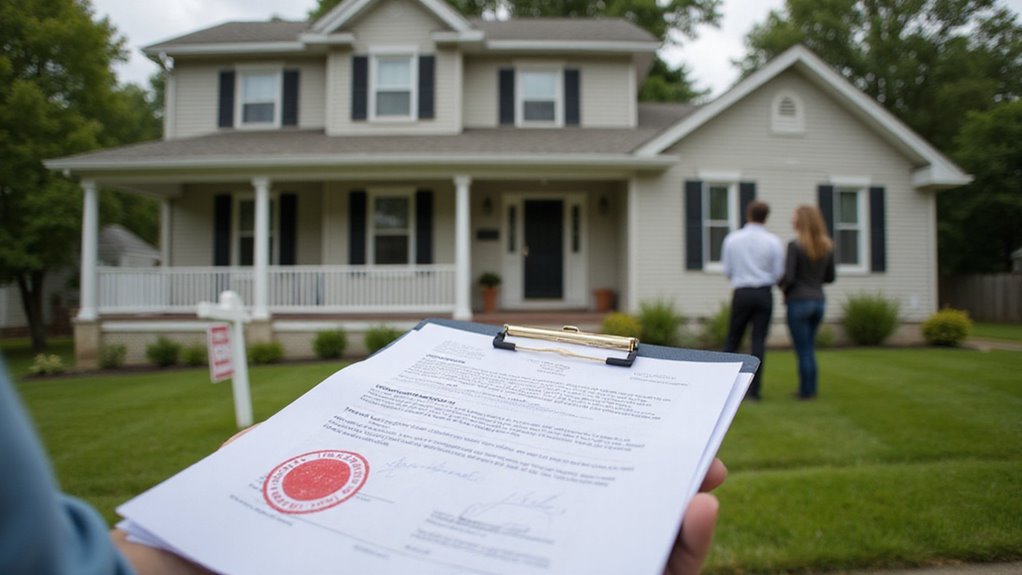
You might find your perfect home, only to discover a lien on the property during the buying process. Liens are legal claims against a home for unpaid debts, such as contractor bills or unpaid taxes. These claims can complicate your purchase and threaten your investment.
Liens do not just slow down the sale. They can also force you to pay debts that are not yours. If you do not address liens before closing, you risk losing money or even the home itself.
Buyers must understand how liens work and take steps to resolve them before buying a home. A clear title is the key to a safe purchase. You can avoid headaches by learning how to spot and handle these issues early. This blog will guide you through every step to protect yourself from home liens and make a safe, smart purchase.
Key Takeaways
- Liens are legal claims on a property for unpaid debts and must be resolved before ownership can transfer to the buyer.
- A thorough title search is essential to uncover any liens or legal claims before purchasing a home.
- Sellers are typically responsible for clearing liens, but buyers should verify all liens are paid before closing.
- Liens can delay or complicate the home-buying process, affecting financing and title transfer.
- Title insurance protects buyers from undisclosed liens and potential future legal or financial issues.
Defining Liens and Their Purpose

A lien is a legal claim on property to secure payment of a debt. Creditors use liens to make sure they get paid. If a debt is not paid, the creditor can force the sale of the property.
Liens can result from unpaid property taxes or home loans. They limit what you can do with your property. If you want to sell or refinance, a lien can make this harder. In Oregon, property disclosure requirements may obligate sellers to report any liens to potential buyers.
If you are buying a home, always check for liens first. You could become responsible for unpaid debts attached to the property. Clearing liens early protects your finances and makes the buying process easier.
It’s important to understand that liens may impact your future borrowing capacity and overall financial health if not addressed before completing a property transaction.
Common Types of Property Liens
Property liens are legal claims on a home used to secure unpaid debts. They come in different types and can impact homeowners in various ways. Buyers should know about these liens before purchasing a home. Sellers in Oregon should also be aware that outstanding liens can significantly impact their financial options during the selling process.
A mortgage lien happens when a lender finances your home and uses it as security for the loan. If you do not pay the loan, the lender can claim the property. This is the most common type of lien.
A mechanic’s lien can be filed if a contractor or supplier does not get paid after working on your home. This lien may cause problems with ownership. You might find it after renovations or repairs.
A tax lien occurs if property taxes go unpaid. The government can place a claim on the home until the taxes are paid. This can lead to a forced sale if left unresolved.
If you check for liens before buying, you can avoid legal troubles. Always review a property’s history for any unresolved claims. This helps you prevent unexpected debts after closing.
It’s important for buyers to understand that mortgage payoff is required before a property can transfer to a new owner, meaning all liens—including taxes and contractor claims—must be cleared at closing.
How Liens Are Placed on Real Estate
If you fall behind on payments like property taxes, contractor bills, or your mortgage, a lien can be placed on your home as a legal claim for unpaid debts. Creditors must follow a formal process, usually involving court filings or official notices, before the lien appears on your property record. Knowing how and why liens get attached to real estate helps you protect your ownership and respond quickly if an issue comes up.
In Oregon, understanding real estate regulations is crucial, as specific state laws govern how liens are filed and enforced, potentially affecting the timeline and outcome of a property sale. It’s important to address title issues as soon as they arise, since unresolved liens can delay or even derail a real estate sale.
Common Reasons for Liens
Liens are most often placed on a home when the owner owes money. These debts can make it hard to sell or refinance the property. Buyers should know the common reasons for liens.
Unpaid property taxes may lead the local government to file a lien. This action blocks the owner from transferring the home until the debt is paid. If you see a tax lien, confirm all taxes are settled before buying.
Lenders can place liens when mortgage or home equity loans are not paid. This protects their interest in getting the money back. If a home has a delinquent loan, it will need to be cleared before a sale.
Contractors can file a mechanics’ lien if they are not paid for work done on the home. This claim can cover repairs or improvements. If you plan to buy a home, check for any contractor liens first.
Knowing these reasons helps you avoid trouble when buying or refinancing a home. If you find a lien, always resolve it before moving forward. Careful checks make your real estate transaction smoother.
Legal Process for Placement
Liens are placed on property through a legal process. A creditor files a notice of lien with the county recorder’s office. This makes the lien public and affects the property’s title.
The creditor must follow state and local laws. Property owners receive notice of the lien. Sometimes, the creditor needs a court judgment before placing the lien.
Unresolved liens can make selling a home difficult. Buyers may be discouraged, even if the home is staged well. Always check title reports early to avoid surprises.
Potential Risks When Buying a Home With a Lien
When you buy a home with a lien, you risk facing legal complications that can stall the closing process. You might also inherit unexpected financial obligations if the lien isn’t cleared before the sale. It’s essential to identify and address these issues early to protect your investment and avoid costly surprises.
In Oregon, you should be aware that property tax liens take priority over other claims and can significantly affect the transfer of clear title during the sale. It’s important to understand that state-specific inheritance tax rules may also impact your transaction, especially if the property is held in a trust or involves an estate transfer.
Legal Complications and Delays
Buying a home with a lien often leads to legal problems and long waits. These issues can slow down or even stop your purchase. If you want to buy such a home, you must be ready for these risks.
Title clearance is needed before you can own the property. This process can take time and may need negotiations and legal steps. If there are other problems, you might have to wait even longer.
Sometimes, zoning rules or community agreements can limit how you use or change the home. These issues may only appear during the buying process. They could affect your renovation or future plans.
If the seller does not help fix the lien, delays may get worse. You might have to leave the deal if the seller is uncooperative. Always check the seller’s willingness before moving forward.
A real estate attorney can guide you through these challenges. If you have legal help, you can avoid common mistakes. Consider professional advice to protect your interests.
Unexpected Financial Obligations
Buying a home with a lien means you may have to pay someone else’s debt. Liens can be for unpaid taxes, contractor bills, or court rulings. You might owe money you did not plan for, which can lower your buying power.
Title reports show if there are any liens on the home. If you find a lien, always ask for a payoff statement before buying. This step helps you see what you will owe and avoids surprise costs.
Different liens have different impacts. Tax liens must be paid before the home can be sold. Mechanic’s and judgment liens can delay or reduce the value of your purchase.
If you understand these risks, you can negotiate better and protect your money. Always check for liens before closing the deal. Careful review helps you make a safe investment.
The Importance of a Title Search

A title search is essential when buying a home with strong liens. It protects you from taking on unpaid debts or legal issues. If you skip this step, you risk financial problems.
A title search finds hidden liens from taxes, contractors, or previous owners. It helps you avoid surprise costs after buying the property. If liens exist, you can resolve them before closing. In Oregon, a title search can also uncover estate taxes that may apply to inherited properties, ensuring you understand all possible financial obligations before finalizing a purchase.
The search also confirms if the seller can legally transfer the home to you. It prevents future ownership disputes. If ownership is unclear, you could lose your investment.
A title search reveals the home’s renovation and neighborhood history. This information may affect property value and future plans. If problems are found, you can reconsider your decision.
Always request a title search before buying a home. It gives you peace of mind and protects your investment. If you want a safe purchase, never skip this important step. In some situations, such as probate requirements in Oregon, a title search can also clarify whether legal authority exists for the sale of a property, ensuring you are not caught in a legal dispute after closing.
Who Is Responsible for Satisfying Liens
The seller is usually responsible for paying off liens on a home before selling. Liens can include unpaid property taxes or unpaid contractor bills. If the seller does not pay these, the buyer could inherit the debt.
Buyers should always check that all liens are paid before closing. A title company or real estate lawyer can help review the property’s records. If any liens are found, ask the seller to settle them. In competitive markets like Oregon, quick turnover rates can sometimes lead to overlooked liens, so thorough due diligence is especially important.
Never assume liens will go away after you buy the home. Always review the settlement statement for proof that liens are cleared. If you have questions, speak to a qualified professional before closing. In Oregon, being aware of outstanding mortgage balances and fees is crucial, as these determine the equity position and must be resolved to avoid inheriting additional debts.
Negotiating With Sellers Who Have Liens

A lien on a property can make buying it more difficult. If you find a lien, you still have ways to protect yourself. You need to deal with the risk of the lien and its effect on the property’s value. Buyers can ask for a lower price to make up for the lien amount.
Liens lower the property’s value and can make getting a loan harder. Using the lien as a reason, you may get a better deal. When negotiating, it’s helpful to be aware of market demand in the local area, as this can influence your bargaining power and the seller’s willingness to negotiate the lien.
You can also ask the seller to pay off the lien before closing. If the seller agrees, you will not be responsible for the debt after buying. This step removes the legal and financial risks for you.
Include a condition in your offer that lets you walk away if the lien is not cleared. This gives you the right to renegotiate or cancel the deal. Protecting your interests should always be a top priority.
A real estate agent or lawyer can help you handle liens. Always get advice from professionals before moving forward. Their guidance can help you avoid costly mistakes.
When dealing with properties that are part of an estate, it’s important to understand legal steps in selling a house in probate, as court approval and documentation may impact how liens are resolved during the transaction.
Lien Resolution Before Closing
Before closing, you need to identify any outstanding property liens to avoid unexpected complications. Work with the seller to negotiate lien payoff amounts, ensuring all debts are settled. Confirm a clear title transfer so you don’t inherit unresolved financial obligations.
If you’re considering purchasing a property in Junction City, remember that homes with liens or other challenges can still qualify for a fast cash offer from local buyers familiar with resolving these issues.
Identifying Outstanding Property Liens
To make sure a property has no hidden financial claims, you must check for outstanding liens before closing. A property with liens can lead to extra costs for buyers. Simple inspections or valuations do not show these liens.
A title search is the best way to find recorded liens or judgments. You can hire a title company to do this for you. If there are any liens, they will show up in the title report.
Public records at the county office list any tax or court-ordered liens. You should check these records for any unpaid debts on the property. If you find anything, get more details before buying.
A real estate agent or attorney can help explain any lien documents you find. They can also guide you on the risks involved. If you have doubts, always ask an expert before closing the deal.
Negotiating Lien Payoff Amounts
You must clear any lien on a property before the sale can close. First, find out what type of lien it is. Then, contact the lienholder to get the payoff amount.
Many lienholders may agree to a lower payoff if you pay quickly. You should ask for a discount, especially for home equity or tax liens. If you act fast, you may save money.
If you find a mechanic’s lien, you can suggest a partial payment. You may also ask an HOA to remove late fees. Always work with your agent or lawyer to communicate.
If you reach any new agreement, get it in writing. This will protect you during closing. Written proof is always necessary.
Ensuring Clear Title Transfer
Ensuring clear title transfer means making sure there are no legal claims on the property. This step is necessary for a smooth closing. Buyers can only take full ownership when the title is clear.
A title search helps find any unpaid debts or liens attached to the home. Work with a trusted title company for this task. If there are any liens, you must resolve them before closing.
Ask for payoff statements from all lien holders. Pay the amounts owed in full before finalizing the sale. Always check that each payment is confirmed.
Obtain a lien release document from each holder after payment. Make sure the county records show the liens are released. If these steps are followed, the title will transfer without issues.
How Title Insurance Protects Buyers
Title insurance protects homebuyers from problems with the property’s ownership. It covers issues like hidden liens, unknown heirs, or document fraud. If someone claims a right to your new home, title insurance can help.
Buyers may face old debts or legal disputes without this protection. Title insurance pays for legal costs if someone challenges your ownership. It also helps you avoid paying for past owners’ unpaid bills.
A clear title is important for renovations or neighborhood safety. Title insurance lets you move forward without fear of unexpected claims. If you want peace of mind, consider getting title insurance.
Here’s how title insurance helps:
| Protection Type | What It Covers | Why It Matters |
|---|---|---|
| Lien Coverage | Unpaid debts on the property | You avoid surprise financial loss |
| Fraud Protection | Forged documents, impersonation | Your ownership stays secure |
| Legal Expense Coverage | Defense costs if challenged | You save on legal bills |
| Peace of Mind | Full title research | You can focus on your plans |
The Role of Real Estate Agents and Attorneys

When you’re dealing with homes that have liens, you need a skilled real estate agent and an experienced attorney to guide you through lien disclosures, negotiate with lienholders, and protect your interests. They’ll help you understand each lien’s impact on the transaction and work to resolve any issues before closing. With their expertise, you can ensure the title is clear and avoid costly surprises.
Navigating Lien Disclosures
Liens can lower a property’s value and delay a sale. Real estate agents and attorneys help you understand and follow disclosure rules. They make sure you know about any existing liens before you buy a home.
Agents and attorneys check title records for hidden liens. They explain how a lien could affect your use of shared spaces or your ability to make changes to the home. If there are unpaid fees, you will learn how these can turn into liens.
They make sure all required disclosures are given to you. This protects you from legal problems later. If you have questions, these professionals can offer clear answers.
Negotiating Lien Resolutions
You must resolve any property liens before you buy a home. Liens are legal claims against the property from unpaid debts. If liens are not cleared, you could face legal or financial problems later.
A real estate agent helps by talking to the seller about paying off any debts. The agent may use issues like repairs or incomplete work to help with negotiations. This can sometimes lower the price or get the seller to pay off the lien.
An attorney reviews all legal documents related to the lien. The attorney also makes sure the lien release is handled correctly and recorded. Mistakes in this process can be expensive for buyers.
If both an agent and attorney work together, they coordinate all communication about the lien. They streamline the process and make it easier for you. Their main goal is to protect your investment and reduce your risk.
Ensuring Clear Title
A clear title means the property has no legal claims or hidden debts. It is important to have a clear title to protect your money. If there are problems with the title, you could face unexpected costs.
Real estate agents can spot possible title issues early in the buying process. Attorneys can check legal documents and make sure all liens are removed before you close. If you hire both, you lower your risk of trouble.
A title search checks public records for liens or ownership problems. Attorneys talk to sellers and lienholders to settle unpaid debts. If these steps are skipped, you might end up responsible for someone else’s debt.
Good professionals also suggest a home inspection and review neighborhood safety. If you follow their advice, you make a safer investment. Always ask questions if you do not understand any part of the process.
Financing Challenges With Lien-Affected Properties
A property with a lien is harder to finance. Lenders often avoid homes with liens because liens get paid before mortgages. If you want a mortgage, you may face loan denial or need to clear the lien first.
Lien-affected properties often mean higher interest rates and stricter loan rules. You may not qualify for standard loans. This can limit your investment options and delay your plans.
If you want better chances, work with a real estate agent and mortgage broker who know about liens. Always check the property’s title early in the process. If you resolve liens before applying for a loan, you can avoid delays and failed deals.
Purchasing Foreclosed Homes and Tax Liens
You can buy homes through foreclosure sales or tax liens by following specific steps. These properties are often sold “as-is” and may need repairs. Careful research and planning can help you avoid costly mistakes.
Buyers should check the property’s title and any outstanding liens before making an offer. Neighborhood history can show possible resale value and community trends. If you skip this step, you might face unexpected problems.
Review the property’s title and neighborhood history before making an offer to avoid unexpected issues and better gauge resale value.
Home renovation costs are common with these properties. Buyers should set aside extra money for repairs. If you do not budget properly, you risk overspending.
Each state has different rules for these sales. Buyers must read local laws and seek advice from professionals if needed. Understanding the process can prevent legal issues.
Steps to Take If a Lien Is Discovered After Closing
If you find a lien on your property after closing, act quickly to protect yourself. A lien can cause problems with selling or refinancing your home. Immediate action helps limit your financial risk.
First, contact your closing agent or a real estate attorney. These professionals can check if the lien is valid and explain its origin. If the lien is legitimate, review your title insurance policy for possible coverage.
Next, reach out to the lienholder to understand the debt. If a mistake was made, ask for documentation to dispute the lien. Keep a record of all talks and payments made.
If you plan to sell or refinance your home, an unresolved lien can create delays. Always follow your attorney’s advice to avoid more problems. Resolving the lien quickly helps protect your home’s value.
Tips for Safeguarding Your Home Investment
Safeguarding your home investment is essential to avoid legal or financial problems. Homeowners can take simple steps to protect their property and its value. These actions help prevent unexpected claims and losses.
A yearly title search can reveal hidden liens or claims on your home. If your area has frequent property disputes, this step is even more important. Early detection allows you to handle issues before they grow.
Market trends in your neighborhood can affect your home’s value. Changes in zoning or development may bring legal risks. If you stay informed, you can respond quickly to any problems.
Accurate records of mortgage payments and taxes are important. Good documentation helps resolve disputes and avoids confusion. If you keep all property documents organized, you can answer any questions about your home.
Conclusion
If you are considering buying a home, it is important to be aware of any liens. Liens can create complications and unexpected costs for buyers. If you do your research and address these issues early, you can avoid many problems.
If a property has a lien, buyers should work with professionals to resolve it before closing. Title searches and title insurance can help protect your investment. If you skip these steps, you may face legal or financial troubles after the sale.
If you need a fast and simple sale, we buy houses for cash, even if there are liens. Contact OR Home Buyers today for a hassle-free offer. We are here to help you move forward with confidence.




Hi, I’m Bob Bash, founder of OR Home Buyers, serving the Oregon community since 2017. We provide full-service real estate solutions, specializing in cash purchases for both residential and commercial properties. I started this business to help our community navigate difficult real estate situations with professionalism, ethics, and compassion.
My goal is simple: to make every client feel relieved and happy when their real estate challenges are resolved. Helping people find solutions and peace of mind is what drives me every day.