
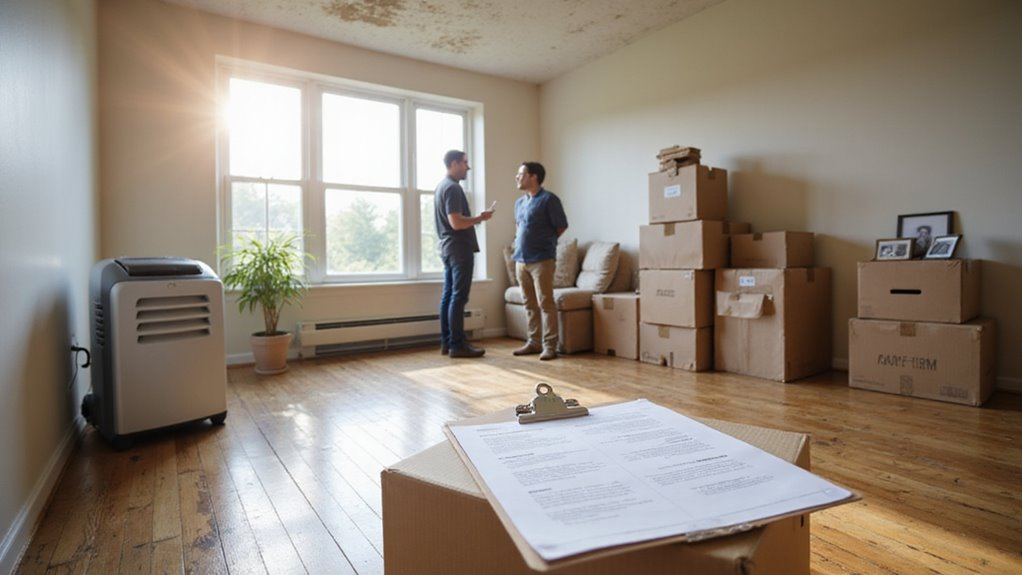
Finding water damage in your home just before selling can be stressful. You may worry about costly repairs and losing buyers. Many homeowners wonder if their insurance will help them in this situation.
This problem can feel overwhelming, especially if you are on a tight timeline to close the sale. Water damage can lower your home’s value and scare off potential buyers. Delays and unexpected expenses can also make the process more difficult. Home insurance often covers sudden, accidental water damage, but there are important exceptions and steps to follow.
You need to know what your policy covers and how to deal with repairs. Knowing your options helps you protect your sale and your finances. This blog will guide you through what home insurance covers and how to handle water damage when selling your house.
Key Takeaways
- Home insurance typically covers sudden, accidental water damage from inside sources like burst pipes or appliance failures, but not gradual leaks or neglect.
- Damage from outside flooding or rising water is not covered by standard home insurance and requires a separate flood insurance policy.
- Repairs completed and documented before listing increase saleability and must be fully disclosed to buyers to avoid legal or insurance issues.
- Insurance claims for water damage require prompt documentation, photos, and repair receipts to support coverage and expedite settlement.
- Policy exclusions and coverage limits may impact claim payouts and should be clarified with your insurer before selling the home.
Understanding the Basics of Home Insurance Coverage
Home insurance protects you from financial loss if your home or belongings are damaged. It usually covers events like fire, theft, and some types of water damage. You should know exactly what your policy covers.
Standard home insurance often includes sudden water damage, such as a burst pipe or an overflowing washing machine. It does not cover slow leaks or problems caused by poor maintenance. In Salem, some cash buyer options allow you to sell quickly even if you have water damage that isn’t fully covered by insurance. If you want to know what is covered, always read your policy documents carefully.
Some water damage claims are denied if the issue happened over time. If you plan to sell a water-damaged house, this is important to remember. Always ask your insurance agent if you are unsure about your coverage.
Knowing the legal requirements for selling a damaged or vacant property in Oregon can influence how your insurance claim is handled and how smoothly your sale goes.
Common Sources of Water Damage in Homes
You’ll want to watch for water damage from common culprits like plumbing leaks, storm or flood events, and malfunctioning appliances. Even a small pipe failure or a faulty washing machine hose can lead to costly repairs. Knowing these risks helps you take practical steps to protect your home and understand what your insurance may or may not cover.
In Oregon, properties that have suffered fire or water damage must comply with strict disclosure rules that affect how buyers perceive your home’s value and what you must reveal during the sales process. In Oregon, it’s also important to consider how disclosure requirements for pest and water damage can affect both your home’s market value and the sales process.
Plumbing Leaks and Failures
Plumbing leaks and failures often cause water damage in homes. Pipes can leak behind walls or under floors without being seen. If not fixed, these leaks can harm your home’s structure and appearance.
Broken pipes, old hoses, and loose fittings may all lead to sudden water problems. Water heaters can also fail and cause leaks. If you notice water stains or warped floors, check your plumbing.
If you see a drop in water pressure, it could mean a hidden leak. Regular inspections help catch small problems early. Fixing leaks quickly protects your home and keeps its value high.
Storm and Flood Events
Storms and floods are major causes of water damage in homes. Areas with frequent storms or floods have a higher risk of property damage. If your home is in such a place, you should review local flood zone maps.
These maps help you see how likely flooding is at your address. Heavy rain, hurricanes, or flash floods can damage roofs, gutters, and foundations. If gutters or drains are blocked, water damage will be worse.
You can lower your risk by keeping drains clear and sealing your home’s exterior. Installing sump pumps or sandbags helps protect against flood water. If damage happens, you should record everything and keep repair receipts for insurance.
Appliance Malfunctions and Overflows
Appliance malfunctions and overflows can cause serious water damage in your home. Water from appliances like dishwashers and washing machines can leak into floors and walls. If water reaches electrical wires, it may cause short circuits or fires.
Standing water from leaks creates a damp place where pests can thrive. Mold can grow quickly if a leak is not found soon. Slow leaks are often hard to notice and may cause more damage over time.
Home insurance may cover damage from sudden appliance failures. It will not cover damage from poor maintenance or long-term leaks. Regular checks of your appliances can help prevent costly problems.
Types of Water Damage Typically Covered by Insurance
You’ll find that most home insurance policies protect you against sudden pipe bursts, roof leaks caused by storms, and unexpected appliance malfunctions that lead to water damage. It’s essential to know exactly how your policy defines these events and what documentation you’ll need for a claim.
Handling water damage claims efficiently can also help you maintain buyer confidence if you’re selling your home, since unresolved issues may delay or derail the transaction. By understanding these typical coverages, you can better prepare for emergencies and avoid costly surprises. When selling a house after divorce in Oregon, being aware of market conditions can also affect how insurance claims may factor into your overall transaction and decision-making process.
Sudden Pipe Burst Claims
Homeowners insurance often pays for damage if a pipe suddenly bursts in your home. The policy covers sudden and accidental water damage. It does not cover damage caused by neglect or poor maintenance.
Insurers will check the damage and your policy limits when you file a claim. Coverage applies even if you do not live in a flood zone. This is because burst pipe damage is not considered flooding.
You should take clear photos of the damage and repairs. Fast action helps prevent more problems. Good records can make the claim process easier and faster.
Roof Leak Coverage
Homeowners insurance may cover roof leaks if they are caused by sudden events like storms. Insurance usually pays for water damage inside the home if the leak comes from a covered peril. Damage from neglect or poor maintenance is not included.
You must show that the roof leak was caused by a specific covered event, not regular wear and tear. Take clear photos of the damage right away. Keep all receipts for any repairs you make.
If you plan to sell a house with water damage, fix roof leaks before listing the home. This can help avoid problems during the sale. Addressing these issues early makes the selling process smoother.
Appliance Malfunction Protection
Homeowners insurance often covers water damage from a sudden appliance breakdown. This protection helps when selling a house with past water issues. Insurance usually pays for sudden leaks, not long-term problems or neglect.
You should check and maintain your appliances regularly. Replace old hoses and seals before they break. If you do this, you may prevent leaks and bigger problems.
Water leak detectors can warn you of leaks near your appliances. Early warnings can help you stop damage quickly. These devices are easy to install and use.
Keep records of all repairs and maintenance on your appliances. Good records can speed up insurance claims. Buyers will also feel more confident if you show these documents.
Situations Where Water Damage Is Not Covered
Home insurance does not cover all types of water damage. Most policies will not pay for damage from poor upkeep or slow leaks. If you do not fix a dripping pipe or bad roof, insurance will likely not help.
Insurers see mold or damage from neglect as preventable. If you want coverage for sewer backups, you must buy extra protection. Water coming in from the ground or from long-term wear is also not covered. Also, if your sale depends on mortgage payoff, a lack of coverage for certain water damage can affect your ability to cover the mortgage balance and closing costs.
Anyone selling a home should check for hidden water issues. Insurance does not pay for damage that was there before you bought the policy. Knowing these limits helps you avoid surprise repair bills.
If you’re selling a house that’s held in a trust, keep in mind that state-specific insurance rules or obligations may also affect what is and isn’t covered in different scenarios.
The Role of Flood Insurance in Water Damage Claims

You need to understand the clear difference between flood damage and other types of water damage because standard home insurance won’t cover flooding. When you file a flood insurance claim, you’ll follow a separate process and must provide specific documentation to support your case. Be aware that flood policies come with strict coverage limits and exclusions, so review your policy details carefully.
In Oregon, code violations related to water damage can also impact your insurance claim outcomes and the overall marketability of your property. It’s also important to consider Oregon’s real estate regulations when dealing with insurance claims, as compliance can influence both claim approval and your ability to sell the property.
Distinguishing Flood vs. Water
Home insurance covers water damage only if it comes from inside the house. Flood insurance is needed for water coming from outside, like heavy rain or rivers. If you want full protection, you may need both types of insurance.
Most home insurance pays for sudden leaks, like broken pipes or appliance failures. It does not pay for damage caused by rising water from outside. If water comes from the ground up, only flood insurance can help.
Insurance companies decide coverage based on where the water comes from. They also look at how clean or dirty the water is. If you are selling your home, knowing these differences helps you explain coverage to buyers.
Claim Filing Process
When you have water damage at home, first check if your insurance covers it. Standard home insurance covers some types of water damage. Flood damage needs a separate flood insurance policy.
Take clear photos and write notes about the damage. Call your insurance company right away to report what happened. Ask them which policy covers your situation.
If you need to use flood insurance, file your claim with the National Flood Insurance Program or your private insurer. Schedule a professional inspection to measure the damage. This report helps with your claim and may be needed for mortgage approval later.
Keep all your receipts for repairs and cleaning. Stay in contact with your insurance company to avoid delays. Being organized can help your claim go smoothly.
Policy Coverage Limitations
Policy coverage limitations set the rules for what your insurance will pay for water damage. Home insurance does not treat all water problems the same way. Some events, like floods, are not covered by standard policies.
You will need a separate flood policy if you want flood damage covered. Insurance may also limit how much money you can get for your claim. If your total loss is higher than your policy limit, you will not get the full amount.
Some water damage, like slow leaks or problems caused by neglect, is usually not covered. Insurers often pay only for sudden and accidental water damage. Reading your policy helps you understand what is excluded.
If you know these limits, you can plan ahead and avoid surprises during a claim. Always check your policy details before you need to file. This will help you handle the claims process better.
How Insurance Handles Sudden vs. Gradual Water Damage
Insurance treats sudden and gradual water damage differently. Sudden water damage, like a burst pipe, is usually covered by home insurance. Gradual damage, such as slow leaks, is often not covered. For homeowners in Oregon, coverage for water damage can also be affected by whether probate is required for the sale if ownership is not clearly established.
Policies often exclude damage from issues that happen over time. Insurers see gradual damage as a maintenance problem. If you do not fix leaks, your claim may be denied.
Homeowners should read their policy’s exclusions carefully. Regular maintenance of plumbing and roofing can help avoid problems. If you understand these rules, you can prevent surprises when filing a claim.
If water damage impacts your plans to sell a home to resolve debt, it’s important to assess the issue’s effect on your property value and ability to proceed with the sale.
What to Expect During the Claims Process
When you need to file a water damage claim, you’ll start by contacting your insurer and providing detailed information about the incident. An insurance adjuster will visit your property to inspect the damage and document their findings. Once they’ve completed their assessment, you can expect a settlement offer within a set timeframe, depending on your insurer’s process.
It’s important to note that sometimes, your claim may be assessed in conjunction with any outstanding mortgage requirements if your home loan is government-backed or assumable. Taking time for a thorough inspection helps reveal any hidden damages and can influence the outcome of your claim.
Filing Your Initial Claim
Filing your initial claim starts when you contact your insurer about water damage. You must share details about when and how it happened. The insurer will explain what information and documents you need.
If you act quickly, you can prevent mold and make the claims process easier. Take photos of the damage and keep records of your talks with the insurer. If you wait too long, your claim may be harder to process.
You should stop leaks and dry wet areas to prevent more damage. It is important to review your policy for coverage and any exclusions. Being organized helps you get a fair claim review.
Insurance Adjuster Assessment
After you file a claim for water damage, an insurance adjuster will contact you. The adjuster will schedule a time to inspect the damage. This person checks what is damaged and if your policy covers the loss.
The adjuster will ask questions during the visit. They may take photos and look for evidence of the damage. If you have repair estimates or receipts, you should give these to the adjuster.
Your insurance policy may have limits or exclusions. It is helpful to know these before the adjuster’s visit. If your policy does not cover something, the adjuster will explain why.
Settlement Timeline Overview
A water damage insurance claim usually settles within a few weeks. The exact time depends on your insurer and documentation. Delays can happen if information is missing or unclear.
The process starts with the insurance company reviewing your policy. An adjuster then visits your property to inspect the damage. The insurer checks if your claim matches your coverage.
If all information is complete, you receive a settlement offer and payment. Responding quickly to questions can help speed up the process. Staying organized and keeping records can also make the process easier.
Assessing Repair Costs and Payouts
Assessing repair costs and insurance payouts is important after water damage. Accurate estimates help you avoid unexpected expenses. If you know your coverage and deductible, you can better predict your claim outcome.
You should get detailed quotes from licensed contractors. Take clear photos and keep receipts for everything damaged. This evidence will support your insurance claim.
Insurance companies check your estimates against your policy details. If your claim is frequent or large, your premium might increase. Careful documentation and preparation can help you get the most from your payout.
In Oregon, providing documentation of repairs not only supports insurance claims but also helps maintain your home’s value during the sales process.
Responsibilities of the Homeowner After Water Damage
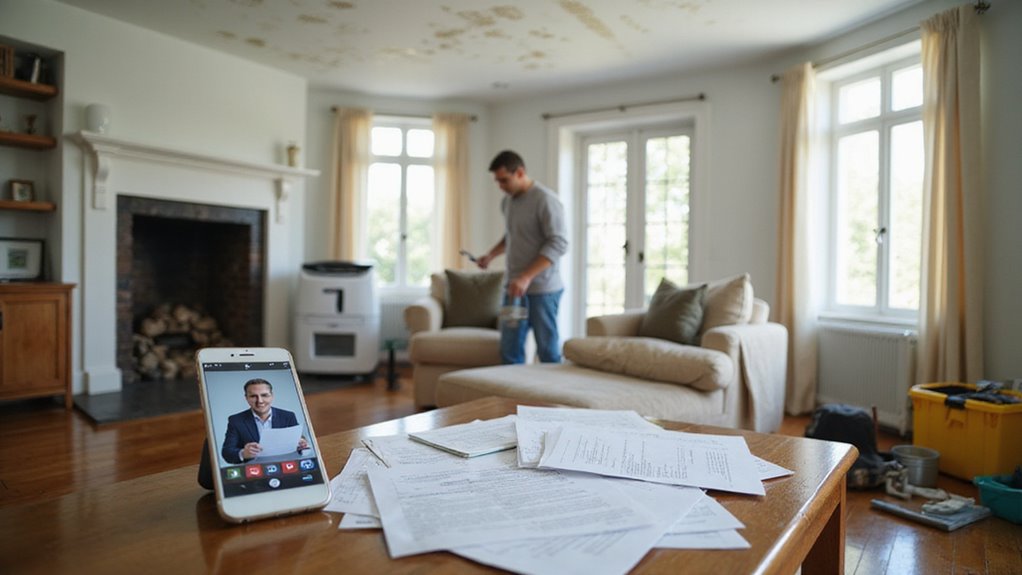
After water damage, homeowners must act fast to limit further harm. Quick action protects your home and makes repairs easier. If you wait, damage can get worse and cost more to fix.
Secure all doors and windows to prevent break-ins. If some rooms are unsafe, block access to them. Always keep your home as safe as possible after damage.
Document all damage right away with clear photos. Create a list of damaged items to help with insurance claims. Good records make the claims process smoother.
Remove standing water as soon as possible to stop mold and damage. If you delay, mold can grow quickly and cause health issues. Dry out walls and floors with fans or dehumidifiers.
Call your insurance provider promptly and follow their instructions. If you do not contact them quickly, your claim may be denied. Always keep records of all calls and steps taken.
Protect valuable items and important documents from water. Move them to a safe, dry place if you can. If theft is a risk, store valuables in a secure location.
If there is water in your yard, improve drainage to protect your plants. Poor drainage can kill grass and shrubs. Use simple gardening tips, like adding mulch or redirecting water, to help your yard recover.
Selling a House “As-Is” With Water Damage and Insurance Implications
Selling a house “as-is” with water damage means buyers must accept the property’s current condition. Most buyers will notice the damage and may want a lower price. If repairs are not done, the sale might take longer.
Home insurance may not cover pre-existing water damage. Many policies exclude damage that was already there before a new claim. Sellers should read their policy to know what is not covered.
If you do not address water damage, new incidents are likely not covered by insurance. Understanding your policy helps avoid surprises during the sale. Setting clear expectations helps both sellers and buyers.
Disclosing Water Damage to Potential Buyers
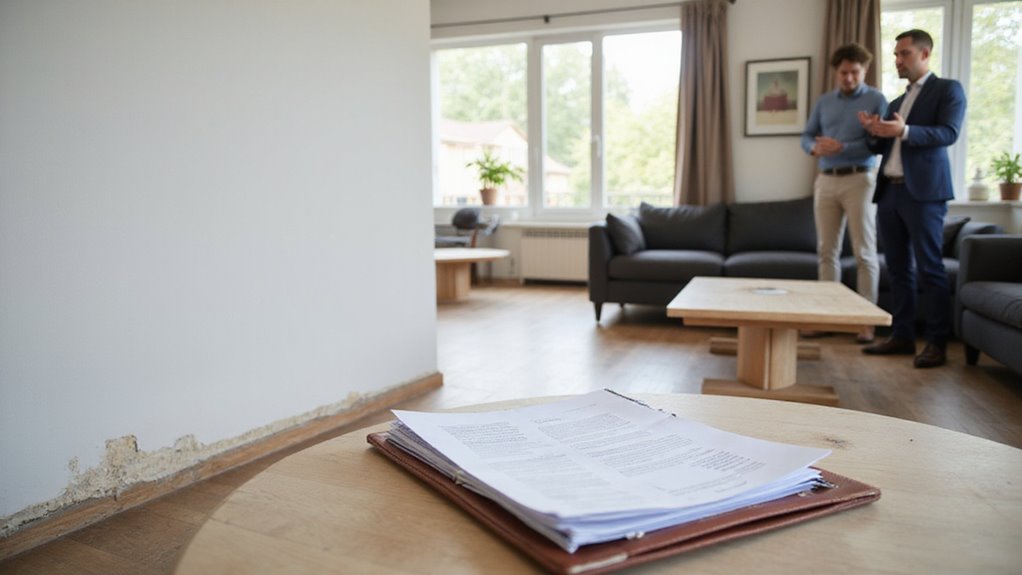
You must tell buyers about any water damage you know about. Most states require you to be honest about the property’s condition. If you hide water damage, you could face legal problems or lose the sale.
Buyers often ask for proof of repairs and may inspect the property. Even small leaks or fixes need to be disclosed. If you filed insurance claims, buyers want to know how this could affect their coverage.
You should share a written record of water damage, repairs, and any professional clean-up. Provide copies of insurance claims and note any coverage exclusions. If you have inspection reports or warranties, include these to clear up any doubts.
Full disclosure can protect you from future complaints. It also helps build trust between you and the buyer. If you are open about problems, sales usually go more smoothly.
Working With Insurance Adjusters During a Home Sale
When selling a home with water damage, you will likely work with insurance adjusters. You should give them clear records of the damage, such as photos, repair estimates, and event dates. If you plan to sell soon, tell the adjuster right away.
You need to ask the adjuster about policy exclusions. If you do this, you will know what your insurance covers. You should never assume all water damage is covered.
Keep all written communication with the adjuster. If you save records and stay in touch, you protect yourself. Clear steps help you avoid problems during the sale.
Steps to Maximize Your Insurance Claim
You can get the most from your insurance claim by following a few key steps. Begin by documenting every area damaged by water. Take clear photos, write notes, and save receipts for any emergency costs.
Start your insurance claim right by documenting all water damage—snap photos, take notes, and save every receipt for emergency expenses.
Include costs for damaged landscaping, since water can harm gardens or soil. If you notice pests, record this as well, as insurers may cover related repairs. Always check hidden spots where water might have caused extra problems.
Keep every receipt for repairs, cleaning, or temporary stays elsewhere. Add these receipts to your claim documents. If you must move out, note these costs too.
Send all your documents to your insurer quickly. Provide clear details to support each cost in your claim. If you stay organized, your claim process can be smoother and faster.
Tips for Navigating Insurance While Closing the Sale
When closing the sale of your home, review your insurance details carefully. Make sure your insurance policy stays active until the sale is complete. Buyers and lenders will ask for proof of insurance.
Ask your insurer about any changes in coverage after water damage. If coverage has changed, inform both your buyer and the insurance company. Disclose all repairs related to water damage and provide receipts if available.
If you installed home automation like leak detectors, mention this to the buyer. Highlighting smart features can help buyers feel more secure. Share any landscaping tips that help prevent future water damage.
Use the table below to track important tasks before closing. Staying organized helps avoid last-minute surprises. If you keep good records, the sale process will go more smoothly.
Conclusion
If you plan to sell a water-damaged house, you need to understand your home insurance coverage. Insurance usually helps with sudden damage but may not cover neglect. If you document the damage and repairs, you can protect yourself during the sale.
If you are honest with buyers, you can avoid future legal problems. Full disclosure and quick repairs help your house sell faster. If you want a simpler process, you can sell your house as-is.
If you want to sell quickly, we buy houses for cash in any condition. OR Home Buyers can make a fair cash offer, even for water-damaged homes. Contact us today to get started with a hassle-free sale.




Hi, I’m Bob Bash, founder of OR Home Buyers, serving the Oregon community since 2017. We provide full-service real estate solutions, specializing in cash purchases for both residential and commercial properties. I started this business to help our community navigate difficult real estate situations with professionalism, ethics, and compassion.
My goal is simple: to make every client feel relieved and happy when their real estate challenges are resolved. Helping people find solutions and peace of mind is what drives me every day.