

Facing the probate court system can feel like navigating a maze without a map. When someone dies, certain assets get trapped in legal limbo, causing delays and frustration for grieving families. The court process costs money, takes time, and adds stress during an already difficult period. Understanding probate property now helps families avoid unnecessary complications later.
Probate property consists of assets owned solely by the deceased person without designated beneficiaries or joint ownership. These assets require court supervision through the probate process before they can transfer to heirs. Examples include individually-owned real estate, vehicles, solo bank accounts, and business interests that lack transfer mechanisms.
In this blog I will explore everything you need to know about probate property and how to manage it effectively.
Key Takeaways
- Probate property includes assets solely owned by a deceased person, such as real estate, vehicles, bank accounts, and business interests.
- Assets titled only in the deceased’s name cannot transfer to heirs without court supervision through the probate process.
- Real estate without joint ownership, personal belongings, and accounts without beneficiaries require probate before distribution to heirs.
- Jointly-owned assets, life insurance policies, and payable-on-death accounts automatically transfer without going through probate.
- Oregon law requires probate to ensure debts are paid and rightful heirs receive their inheritance under court oversight.
What Is Probate Property?

Probate property includes all assets solely owned by a deceased person. These assets can’t transfer to heirs without court supervision. Such property typically includes real estate, vehicles, bank accounts, and business interests without joint ownership.
The transfer process requires filing documents with the court and creating an asset inventory. Courts oversee the payment of outstanding debts and taxes before distribution. Remaining assets pass to heirs according to the will or Oregon inheritance laws. Understanding probate helps professionals better support families during difficult times. Many assets with designated beneficiaries bypass this process completely.
Why Does Property Go Through Probate?

Property goes through probate when someone dies with assets solely in their name. Oregon law requires court supervision for legal transfer of these assets to heirs. No automatic mechanism exists for property transfer after death.
Probate provides the legal framework needed. The court ensures debts are paid first. It confirms rightful heirs receive their inheritance properly. Additionally, the process helps settle the estate fairly according to law. Without this process, ownership would remain uncertain.
Furthermore, probate establishes clear title to property. The court supervises the entire transfer process. This accountability protects everyone with interest in the estate. The legal system safeguards creditors, beneficiaries, and the deceased person’s final wishes.
What Types of Property Require Probate?

You’ll need to identify which assets require probate to manage your loved one’s estate efficiently.
In Oregon, probate typically applies to four main categories:
- Real estate titled solely in the deceased’s name,
- Personal property and belongings,
- Financial accounts without designated beneficiaries, and
- Business interests owned exclusively by the decedent.
Understanding these categories helps you determine whether you’re facing a simplified small estate process or full probate proceedings.
Real Estate Assets
Properties solely owned without joint tenancy enter probate. This includes homes, condos, land, and rental properties titled only in your name. Joint ownership with rights of survivorship allows assets to bypass probate entirely.
You can protect your family by creating living trusts or adding beneficiary designations now. These arrangements prevent delays and legal complications after death.
Oregon offers a simplified probate process for real estate valued under $200,000. Estates with higher property values require full court supervision and formal distribution procedures. For peace of mind, consider updating your property titles today.
Personal Property and Belongings
Yes, personal belongings typically require probate without proper planning. Furniture, jewelry, collectibles, clothing, and household items solely in your name must go through probate.
Your representative must inventory all items and assess their values according to Oregon law. The court oversees fair distribution to your heirs.
Items without beneficiary designations or joint ownership create unnecessary burdens. Consider placing valuables in a trust instead.
Alternatively, you can add specific beneficiaries where possible. As a result, your family avoids delays and complications during an already difficult time.
Financial Accounts Without Beneficiaries
Bank accounts without beneficiaries must go through probate in Eugene. Oregon law requires probate for all solely-owned financial accounts regardless of size. Your executor needs court approval before accessing these funds. This creates delays for your heirs.
Adding payable-on-death (POD) designations helps your beneficiaries receive money faster. These simple forms allow direct transfer upon death. Furthermore, POD designations bypass probate completely. This reduces paperwork and stress for your family during an already difficult time.
Solely-Owned Business Interests
Solely-owned businesses require special planning to avoid probate complications. Without proper arrangements, your business may face operational disruptions during estate settlement.
The probate process typically takes 6-9 months for business assets. This delay can damage company value and relationships with customers.
Transfer-on-death provisions offer a direct solution for small business owners. Trusts provide another effective option to maintain continuity.
Buy-sell agreements protect your heirs by establishing clear ownership transition plans. These documents specify exactly who can purchase your business interest and at what price. Furthermore, proper succession planning ensures employees remain secure during ownership transitions.
How Does the Probate Process Work?

You’ll need to navigate five core steps when working through Oregon’s probate process. Each step—from filing the initial petition to closing the estate—serves a specific legal purpose and follows strict court requirements.
Understanding this sequence helps you foresee timelines, prepare documentation, and meet your obligations as a personal representative or heir.
Filing the Petition with the Court
Probate petitions must be filed with the Lane County Circuit Court after someone dies with property in Eugene. You need to submit the petition, death certificate, and original will (if one exists).
The court reviews these documents for completeness before proceeding. A family member, named executor, or attorney typically handles this important first step.
The petition lists the deceased’s assets, debts, and heirs. Oregon probate law requires all relevant information to identify potential beneficiaries and creditors.
Following the filing, the court schedules a hearing. This hearing formally appoints a personal representative. The personal representative then manages the estate throughout the probate process.
Inventory of Assets
A personal representative must create a probate inventory within 90 days of appointment. This document lists all assets owned by the deceased at death. It ensures fair distribution to all beneficiaries.
The inventory must include real estate with current valuations and mortgage information. Financial accounts like bank, investment, and retirement funds must also be documented.
Personal belongings such as vehicles, jewelry, and business interests complete the list. The court requires this filed inventory for transparency. Heirs and creditors can review the complete asset list.
Professional appraisers should evaluate valuable items for accuracy. This foundation supports the fair distribution process throughout probate.
Payment of Debts and Taxes
The personal representative must pay all valid debts and taxes before distributing assets. This protects heirs from future liability. You need to notify creditors, review claims, and assess their validity under Oregon law.
Priority debts include funeral expenses, administrative costs, taxes, and secured obligations. Keep detailed records of all payments from estate funds. This documentation ensures legal compliance throughout the process.
If the estate lacks sufficient assets for all obligations, Oregon’s priority system determines payment order. As a result, the integrity of the settlement remains protected. The systematic approach prevents potential disputes among creditors and heirs.
Distribution to Heirs
Heirs receive assets after debts and taxes are paid. You must file a petition for final distribution with the court. The judge reviews your accounting before approving distributions.
The process requires court approval first. The judge checks all documents carefully before authorizing any transfers. Oregon’s intestacy laws determine who inherits if no will exists. You then transfer property, funds, and other possessions to the designated beneficiaries.
As a final step, collect signed receipts from each heir. These acknowledgments prove they received their inheritance. Once completed, file closing documents to officially end the estate administration.
Closing the Estate
The estate officially closes when the court approves your final accounting. You must submit detailed documentation showing all financial transactions throughout probate.
The final accounting includes all assets collected, debts paid, and distributions to heirs. Maintain copies of all signed heir receipts.
Court approval provides legal protection against future claims. This formal closure officially ends your executor duties and responsibilities. The court issues an order that releases you from fiduciary obligations.
Always preserve all estate records for your personal files. These documents serve as proof that you properly fulfilled your legal obligations. Proper documentation demonstrates your accountability throughout the entire process.
What Property Can Avoid Probate?
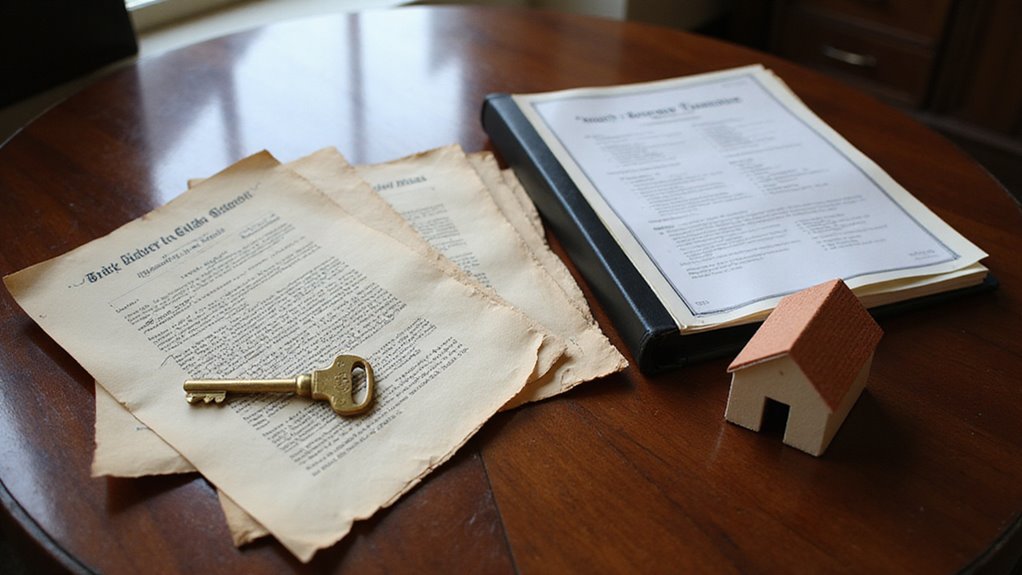
Property that bypasses probate includes jointly-owned assets with rights of survivorship, accounts with designated beneficiaries, and trust-held assets. These arrangements transfer ownership automatically without court involvement.
Jointly-owned real estate transfers immediately to surviving owners upon death. Life insurance policies, retirement accounts, and payable-on-death bank accounts go directly to named beneficiaries.
Additionally, assets placed in living trusts avoid probate entirely. These legal structures save your heirs time and money. Furthermore, they reduce administrative burdens during difficult emotional periods. Proper planning with these options ensures smoother transitions for your loved ones.
What Are the Challenges of Selling Probate Property?
Probate property sales face significant delays and legal hurdles. Court oversight slows down every step of the process. The executor needs court approval before listing, which can add months to the timeline. Offers require court review and sometimes additional appraisals.
All liens and debts must be resolved before closing can occur. Furthermore, properties often deteriorate during lengthy probate proceedings. Multiple heirs may disagree about pricing or timing. In many cases, patient negotiation becomes necessary to satisfy everyone’s interests fairly.
How to Sell a Probate Property Fast?
Selling probate property quickly in Eugene requires you to navigate specific legal and practical hurdles that can delay closing. You’ll need to secure court approval, address any liens or debts, and decide whether to work with specialized agents or cash buyers who understand Oregon’s probate process.
Managing the property’s condition while meeting legal requirements will determine how fast you can complete the sale.
Getting Court Approval
Court approval is required before selling probate property in Eugene, Oregon. The personal representative must petition the court and attend a hearing where a judge reviews the sale terms.
Prepare by submitting property appraisal, purchase offer, and marketing evidence documentation. Oregon law requires notification of all heirs and creditors about the intended sale. The court also requires payment of probate fees when filing your petition.
After review, the court provides authorization to proceed with closing. This approval process protects all parties’ interests throughout the transaction.
Working with Specialized Real Estate Agents
Partner with probate property specialists to navigate inherited property sales. These real estste agents understand Oregon’s probate laws and court approval requirements. They guide you through necessary documentation and coordinate with all involved parties.
Probate experts save you time by marketing to cash buyers who accept as-is properties. Estate sales must follow specific legal timelines and documentation standards. This expertise helps reduce holding costs and ensures compliance.
The right agent will connect you with experienced probate buyers. Their knowledge streamlines the entire process. As a result, beneficiaries receive their inheritance faster with fewer complications.
Considering Cash Buyers
Cash buyers provide the fastest closing option for probate properties. They purchase homes as-is without financing contingencies, often closing in days rather than weeks. This speed reduces holding costs for heirs.
Transactions with cash buyers complete in 7-14 days compared to 30-60 days with traditional financing. Their offers simplify the probate process by avoiding complex appraisal requirements.
Furthermore, direct cash sales typically yield better returns than probate auctions. Cash buyers understand probate documentation requirements.
The streamlined process helps heirs receive their inheritance faster. As a result, holding costs decrease while distribution happens more quickly.
Managing Property Condition Issues
Focus only on critical repairs when selling probate properties. Safety issues and curb appeal matter most—skip expensive renovations.
A professional appraisal helps establish realistic market value for the property. This information helps manage expectations with heirs about potential selling price.
Many investors prefer as-is properties and often pay cash. However, you must disclose all known defects to avoid future legal problems.
Estate law requires transparency about property condition in most states. As a result, honesty builds trust with potential buyers.
Simple improvements yield the best return on investment. Cleaning, decluttering, and basic landscaping make properties more attractive without much cost. Furthermore, these small efforts can significantly increase buyer interest and accelerate the sale process.
Handling Outstanding Liens and Debts
Outstanding debts must be identified and resolved before listing a probate property. Start by ordering a title search to discover all recorded liens against the property. This search reveals mortgages, judgments, and other financial claims that could delay the sale.
Oregon law requires proper notification of creditors during the probate process. You must allow the statutory claim period to end before distributing any assets.
During this time, negotiate payoffs with lienholders, focusing on secured debts first. Court approval is necessary before paying debts with estate funds.
Keep thorough records of all transactions to protect yourself from future liability claims. Furthermore, clear documentation ensures heirs understand why proceeds might be reduced.
Conclusion
Understanding probate property can feel overwhelming when settling an estate. If you’re handling this process, remember that several options exist for managing inherited real estate. When time constraints become an issue, selling the property directly to a professional buyer might be the right choice for your situation.
We at OR Home Buyers specialize in helping families navigate probate property challenges. Our team purchases homes throughout Eugene and Springfield without the complications of traditional sales. If your property is located in Creswell or Cottage Grove, we can provide the same streamlined service. When you work with us, you receive a fair cash offer without repair requirements.
Many of our clients in Junction City and Albany appreciate our straightforward approach to buying probate properties. We serve homeowners throughout Corvallis and Salem with the same dedicated service. If you’re managing an estate in Veneta or other Oregon communities, we can help simplify the process. Contact OR Home Buyers when you need a reliable solution for selling probate property without delays.

Hi, I’m Bob Bash, founder of OR Home Buyers, serving the Oregon community since 2017. We provide full-service real estate solutions, specializing in cash purchases for both residential and commercial properties. I started this business to help our community navigate difficult real estate situations with professionalism, ethics, and compassion.
My goal is simple: to make every client feel relieved and happy when their real estate challenges are resolved. Helping people find solutions and peace of mind is what drives me every day.