
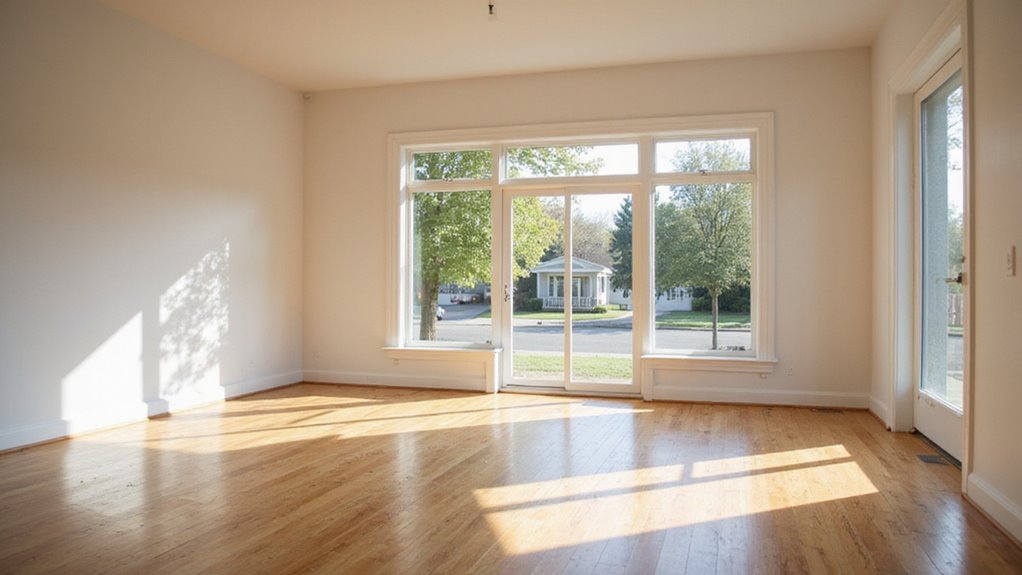
Getting ready to sell your home brings big decisions. One major factor is whether your home is vacant or still occupied. This choice changes your selling strategy and can impact how buyers see your property.
A vacant home can look cold or neglected, while an occupied home may feel cluttered or too personal. Both situations come with risks, such as security for empty homes or inconvenience during showings when people still live there.
These issues often lead to lower offers or delays. Selling a vacant home is different from selling an occupied home because each presents unique challenges and opportunities.
To succeed, you need to understand these differences and adjust your approach. With the right strategy, you can attract buyers and get the best price. This blog will guide you through these differences so you can sell your home with confidence and ease.
Key Takeaways
- Vacant homes are easier to show and stage, allowing more flexible open house scheduling and professional photography.
- Occupied homes require coordination with residents, often limiting showing times and necessitating decluttering and depersonalization.
- Buyers may perceive vacant homes as less maintained or that the seller is motivated, potentially leading to lower offers.
- Vacant properties face higher maintenance and security risks, requiring extra measures to prevent issues and protect value.
- Staged or occupied homes can foster stronger emotional connections with buyers, often resulting in higher perceived value and better offers.
First Impressions and Buyer Perception
First impressions matter when buyers visit a home. Their first visit often decides how valuable the property feels to them. A good first impression can help the home sell faster. Occupied homes can make buyers feel uncomfortable. They may not explore rooms fully out of respect for the people living there.
This can stop them from imagining the home as their own. Vacant homes are easier for buyers to view. Buyers can inspect every area and picture their life in the space. If possible, schedule showings when no one else is home.
In addition, net proceeds from a sale are influenced by whether the property is vacant or occupied, since selling strategies and costs can differ. Clear communication about access is important. Sellers should inform tenants or occupants about showings ahead of time. This helps buyers leave with a positive impression.
Additionally, sellers should be aware that enhancing curb appeal and staging the home can further boost a buyer’s first impression and help maximize the home’s value.
Emotional Connections and Home Staging
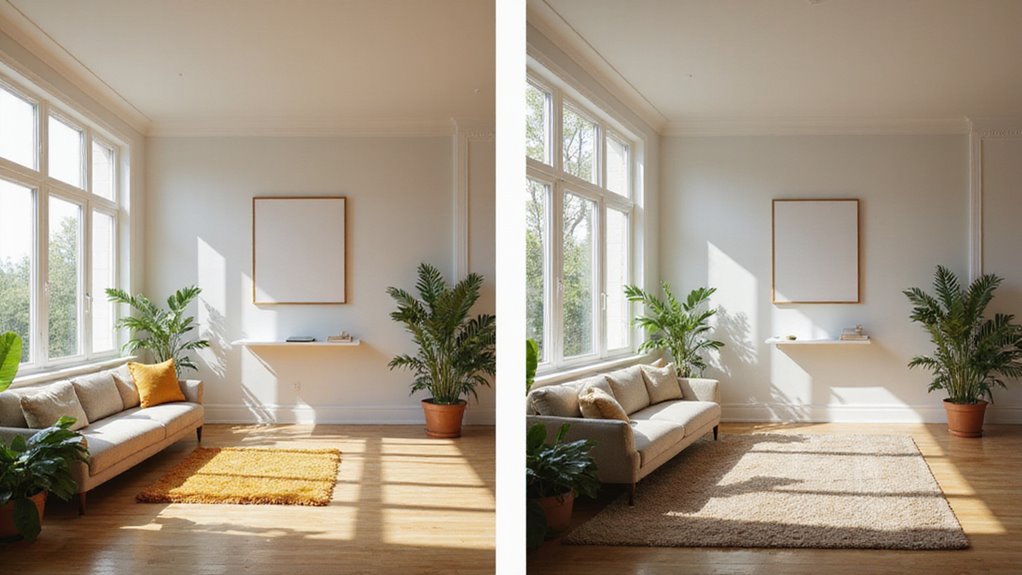
Emotional connections play a big role in home staging. Buyers are more likely to choose a home that feels inviting. If a property is empty, buyers may find it hard to picture themselves living there.
Vacant rooms can feel cold and unwelcoming. This feeling may cause buyers to lose interest or make lower offers. Homes that lack warmth often stay on the market longer. In Oregon, preparing a vacant home for sale may also involve property valuation to ensure it is competitively priced and appeals to more buyers.
Staging a home helps buyers see its full potential. Professional staging adds comfort and clearly defines each area. If you invest in staging, you can attract better offers and sell the home faster. Buyers are also more likely to overlook minor code violations or needed upgrades when a home feels welcoming and move-in ready.
Maintenance and Upkeep Challenges
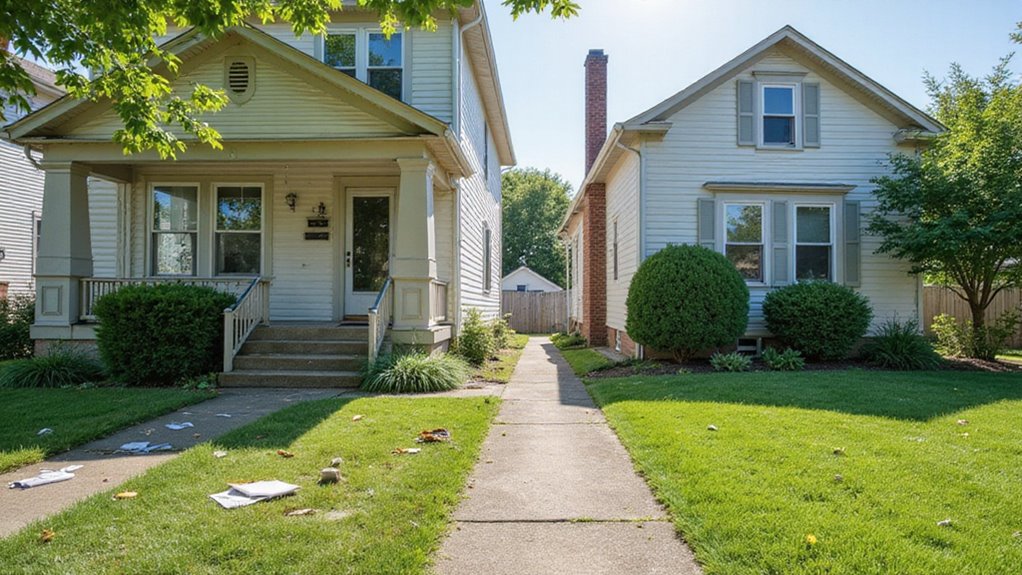
Maintenance and upkeep can be difficult when selling a vacant home. If you do not care for the property, its value may drop. Regular maintenance helps you avoid bigger problems and keeps buyers interested. Routine inspections can spot leaks, mold, or pests before they worsen.
Lawn and exterior care keep the home looking neat and inviting. If you keep up with these tasks, your home will stay ready to show. When managing a vacant property, it’s also important to understand property disclosure requirements to protect yourself during the sales process.
HVAC and utilities need to be checked and run often. This prevents system failures and expensive repairs. If you ignore this, problems may go unnoticed. Vacancy security is important for a vacant property. Trusted professionals can check the home and handle any maintenance issues.
If you use this support, your home will be safer and in better shape. In Oregon, paying attention to seasonal selling patterns can also help you plan maintenance schedules so the property is in top condition when buyer interest is highest.
Security Concerns and Risks
Vacant homes are at higher risk for security problems. Empty properties attract break-ins, vandalism, and theft because no one is present. Thieves often notice dark windows or no cars and see easy targets.
If you want to protect your home, consider installing security cameras or an alarm. Smart locks and exterior lighting can also help deter crime. Regular property checks show the house is being watched. It’s also important to keep detailed records of any security updates or incidents, as this can aid in compliance and provide documentation if issues arise.
Taking these steps can prevent delays and extra costs. Buyers will see you care about the property’s safety. Addressing security concerns can make your home more appealing to buyers. If you’re selling a vacant home, you might also want to explore as-is cash purchase benefits to simplify the process and ensure a quicker, safer sale.
Flexibility in Showing the Property
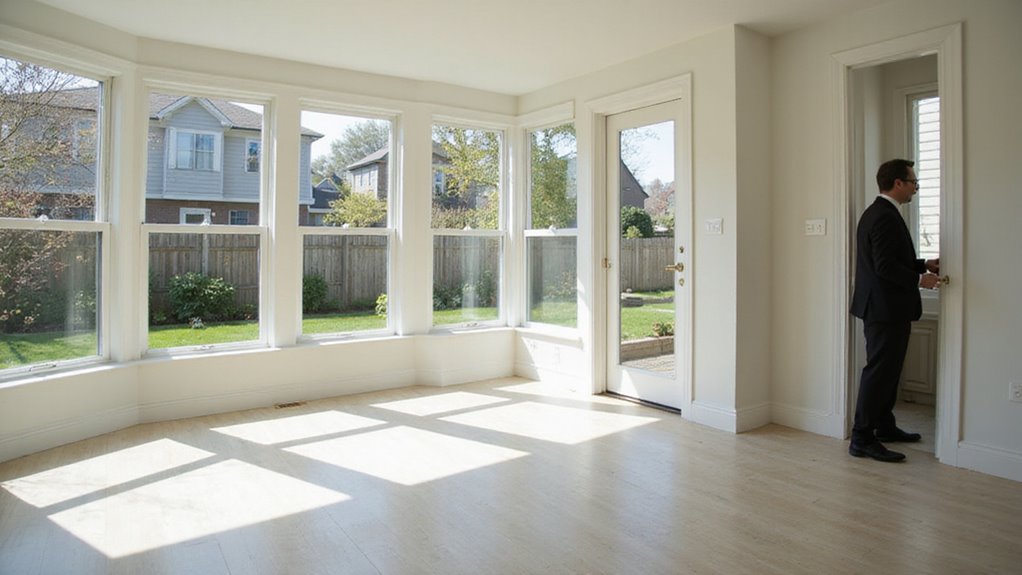
When your home is vacant, you gain a major advantage: open houses and private showings can happen with minimal notice and no need to coordinate around daily routines. This flexibility attracts more buyers and speeds up the sales process. You won’t risk losing opportunities due to scheduling conflicts or resident disruptions.
Sellers with vacant homes can especially benefit if they are dealing with outdated mortgages, since maximizing showing opportunities increases the chance of a timely and profitable sale. If the property is part of an estate, this flexibility is even more valuable when navigating requirements like the small estate exemption in Oregon, which can further streamline the selling process for qualified homes.
Open House Scheduling Ease
Vacant homes are much easier to schedule for open houses than occupied homes. If a property is empty, you can plan showings any time. You do not need to work around someone’s daily routine.
Agents and buyers find these homes more accessible. You can schedule open houses in the evening or on weekends if needed. There is no need to get approval from any residents.
You may also plan back-to-back or longer open houses for more exposure. If schedules change, you can adjust open house times quickly. This flexibility helps you attract more potential buyers.
Short-Notice Showings Possible
Vacant homes make it easy to allow short-notice showings. Agents can bring buyers with little warning, which increases visits. This can help sell your home faster.
If your home is empty, more buyers can view it on their own schedules. This flexibility gives you a market advantage. Quick tours suit buyers who are busy or decide to visit at the last minute.
You should still think about safety. Use good locks and a monitored alarm system if possible. Always coordinate access with your agent.
Utility services should stay on while your home is for sale. Lights, water, and heating or cooling should be working during every showing. This helps create a comfortable and inviting space for buyers.
If you balance easy access with good security, you can attract more buyers. Strategic planning and simple precautions can help you get better results.
No Resident Disruptions
No one lives in a vacant home, so there are no resident disruptions. You can show the property at any time. This flexibility is a major advantage when selling.
If buyers are only available in the morning or evening, showings can still happen. Agents do not need to ask tenants for permission. There are no delays caused by waiting for notice periods.
If a last-minute showing is needed, agents can easily accommodate it. Lease restrictions are not an issue. More buyers can visit, making your sale easier.
Impact on Marketing and Listing Photos
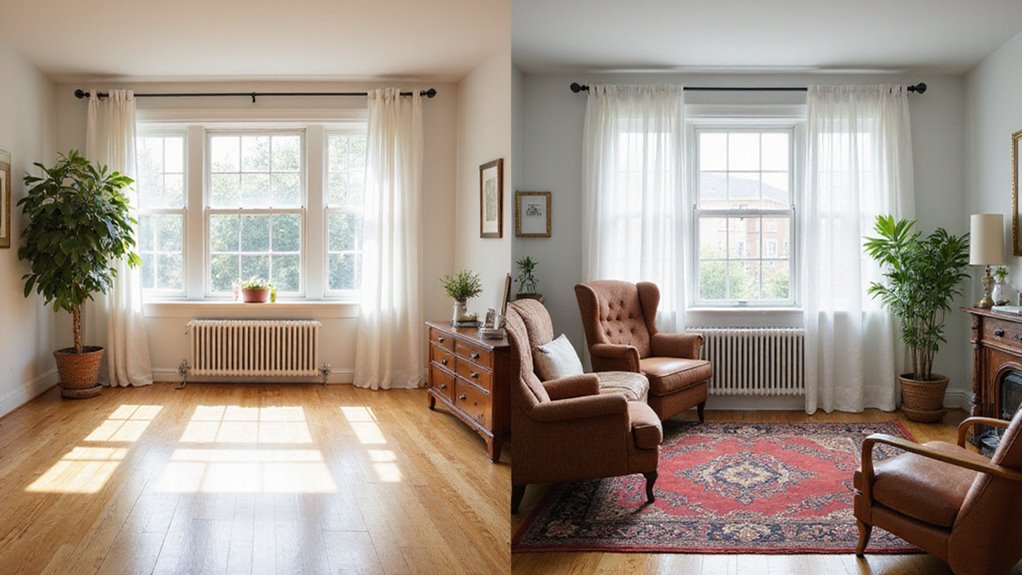
When marketing your home, listing photos play a crucial role in capturing buyers’ attention and shaping their first impressions. You need to consider how staging impacts visual appeal, the way furnished or empty spaces affect perceived size, and which features stand out in photos.
Strategic presentation can set your property apart in a crowded market. In Oregon, professional staging and photography can help homes sell up to 32% faster, emphasizing the importance of how your home is visually presented. Additionally, addressing issues like pest damage disclosure is essential, as visible signs of past problems—or documentation of repairs—can influence buyer trust and the overall effectiveness of your listing photos.
Visual Appeal and Staging
Visual appeal and staging directly affect how buyers view your home online. A well-staged home creates a strong first impression. If a property looks empty, buyers may not feel connected to it.
Staging with modern furniture helps highlight a home’s best features. Adding colorful accessories can make photos look brighter and more inviting. Properly placed furniture can show how each room can be used.
Professional photography is important if you want your home to stand out online. Staging and good photos together can turn a vacant home into an attractive space. If you want buyers to notice your listing, consider these simple staging steps.
Perception of Space
Buyers form their first opinions from listing photos. A vacant home may look bigger or smaller than it really is. If rooms are empty, buyers might struggle to picture their own furniture in the space.
Proper camera angles and good lighting can help show a room’s true size. Photos should use wide-angle lenses, but not distort the space. Clean lines and clear architectural features make rooms look inviting.
If you present the home well, more buyers may show interest. Poor photos can make people skip your listing. Always aim to make your space look open and welcoming in every image.
Highlighting Property Features
Highlighting property features helps your listing stand out from others. Focusing on unique details attracts more buyers. A strong presentation can increase interest and value.
Professional photos show off natural light and special finishes. Outdoor spaces should be highlighted, especially if the yard is large or the view is nice. Empty homes allow you to show off upgrades without distractions.
Virtual staging can help buyers see how a rental property might look. Close-up shots of smart tech or remodeled kitchens can attract attention. If you highlight special features, you make your property more appealing.
Marketing should focus on features, not just space. Using these tips can make your listing stronger. Strategic choices help sell properties faster.
Negotiation Leverage and Buyer Offers
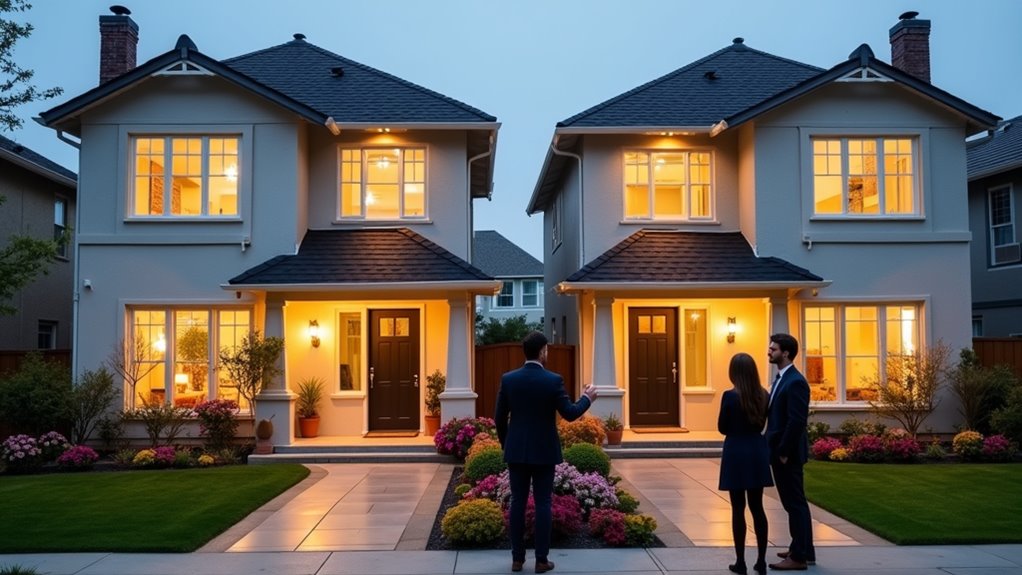
A home’s occupancy status affects negotiation leverage and buyer offers. Vacant homes often signal sellers may be more motivated. Buyers usually think you want a faster sale and may offer less.
Occupied homes suggest you are not in a rush to sell. Buyers may see you as less likely to accept low offers. This can help you hold your price. In addition, occupied homes may be perceived as better maintained, reducing buyer concerns over property marketability and unexpected repair needs.
If your home is vacant, buyers may want to close quickly. They might believe you are paying extra costs and expect more flexibility. This can lead to lower or more aggressive offers.
You should set a firm price and know current market trends. If buyers question your price, highlight your home’s unique features and good condition. Being prepared helps protect your interests during negotiations. In Oregon, understanding market dynamics like interest rates can help you anticipate buyer behavior and strengthen your negotiating position.
Timeline and Days on Market
The occupancy status of your home affects how long it will stay on the market. Buyers see vacant and occupied homes in different ways. This can change how they value your property and how quickly they make offers.
Vacant homes often show sellers want a fast sale. These homes may spend less time on the market, but buyers might offer less. Staging is also simpler in a vacant home, which can attract buyers quickly.
Occupied homes look lived-in and can make buyers feel more comfortable. These homes may need longer showings and sometimes take longer to sell. If someone lives in the home, it is easier to keep up with cleaning and repairs.
If you want a faster sale, consider leaving the home empty and staged. If you prefer easy upkeep, staying in the home during the sale may help. Think about your needs before deciding which option is best.
It’s also important to remember that Oregon’s tight housing supply can create favorable conditions for selling vacant homes, potentially impacting both the timeline and the offers you receive.
Pricing Strategies and Market Value
Pricing strategies for vacant and occupied homes depend on buyer perceptions and current market trends. Vacant homes often need more flexible pricing because buyers may sense seller urgency. Occupied homes can hold stronger prices since they suggest stability to buyers.
If you want to avoid losses, use accurate valuations. Compare recent sales and study market trends before setting your price. This helps prevent your property from staying unsold too long.
Vacant homes may benefit from competitive pricing and small adjustments. Occupied homes typically match prices of similar lived-in properties. Both types require a data-driven approach and careful market analysis.
A correct pricing strategy can maximize offers and reduce risk. Accurate valuation leads to the best possible sale price. If you follow these steps, you improve your chances of a successful sale.
Repair and Renovation Considerations
When selling a vacant home, you’ll face increased maintenance challenges, since unattended properties can develop issues quickly. Staging also works differently; empty spaces require more strategic planning to highlight their potential. You’ll need to approach repairs and presentation with a clear plan to maximize buyer appeal and avoid costly surprises.
Maintenance Challenges Increase
Leaving a home empty makes maintenance harder and more expensive. Problems can grow quickly when no one is there to notice them. Vacant properties often need more repairs than occupied ones.
Leaks and water damage may go unnoticed and cause serious harm. If no one checks regularly, small leaks can turn into big problems. Water damage can be costly to repair.
Empty homes attract pests more easily. Rodents and insects may enter and damage the property. Pest infestations lower the value of your home.
HVAC and plumbing systems can break down if left unused. Idle systems may develop faults that are expensive to fix. Regular use helps keep these systems in good shape.
Unoccupied homes face higher security risks. Vandals and thieves often target empty properties. Security issues can lead to more repairs and higher insurance costs.
If you must leave your home vacant, consider regular inspections. Preventing small problems early can save money and protect your investment. Being proactive helps you avoid major repairs.
Staging Options Differ
Staging helps attract buyers, and your method depends on whether the home is vacant or occupied. Vacant homes often appear empty, making it hard for buyers to see the space’s possibilities. If the home is vacant, consider renting furniture or using virtual staging.
Occupied homes let you use existing furniture, but you should remove clutter and personal items. Repairs are easier to handle in a vacant home because no one lives there. Upgrading paint, flooring, or lighting is less disruptive if the home is empty.
If you match your staging style to the home’s condition, buyers will find it more appealing. A good staging plan can help the home sell faster and for a better price.
Utility Management and Ongoing Costs
Managing utilities and ongoing costs is important when selling your home. Empty homes still need active utility services for showings and maintenance. If you ignore these, costs can rise and property value may drop.
Keep electricity, water, and gas connected for inspections. Set climate controls to prevent mold or damage. If you set them too high or low, your bills could increase.
Schedule regular checks for leaks or outages. Lawn care, trash removal, and security should stay on your budget list. If you skip these, curb appeal and safety may suffer. Proper management protects your home’s value during the sale process.
Privacy and Personal Belongings
When your home is occupied during showings, you need to secure valuables and remove personal items to protect your privacy and prevent distractions. Buyers want to picture themselves in the space, so depersonalizing is key to making a strong impression. By staging thoughtfully, you’ll minimize risks and appeal to a broader market.
Protecting Valuables and Identity
Selling your home means strangers will enter your space. This puts your valuables and personal information at risk. You must take steps to keep your belongings and identity safe.
Valuables like jewelry, cash, and important documents should be stored somewhere else. Sensitive information can be locked away in drawers or safes. If you leave these items out, someone could easily take them.
Security systems such as cameras or smart locks help you watch who enters your home. Your real estate agent should always be present during showings. If you keep track of visitors, you lower the risk of theft.
Taking these actions protects your property and your identity. If you are careful, the selling process will be safer. Your peace of mind matters during this important time.
Depersonalizing Home Spaces
Depersonalizing your home helps buyers imagine themselves living there. You should remove personal items like family photos and unique decorations. If you do this, buyers can focus on the home’s features, not your belongings.
A clean and neutral look inside your home attracts more people. If you have collections or bold decor, consider packing them away. This creates a blank canvas and helps buyers connect with the space.
Your home’s exterior matters too. Well-kept landscaping and simple designs make your home look inviting. If buyers see a tidy yard, they may believe the house is well cared for.
Depersonalizing also protects your privacy. If you want a quick and strong offer, keep your space neutral and clutter-free. Potential buyers will likely respond better to a home that feels open to their ideas.
Occupancy Agreements and Legal Factors
Occupancy agreements and legal factors can affect your home sale. These issues may change buyer interest, negotiations, and closing dates. Sellers must know how these factors apply to their situation.
Homeowners should identify the type of occupancy agreement in place. This could be a lease, a month-to-month deal, or no contract at all. Different agreements require different steps when selling.
Knowing your occupancy agreement—lease, month-to-month, or none—guides your next steps when preparing to sell your home.
Local laws may set notice periods for showings or ending agreements. Sellers must check these rules before taking action. Failing to follow them can delay your sale.
Sellers need to share all facts about who lives in the home. Full disclosure keeps the sale honest and avoids future problems. Buyers rely on this information when making offers.
If the home is occupied, there may be extra risks. Issues like missed rent or property damage can arise. Knowing these risks early helps you plan and protect your interests.
Coordination With Real Estate Agents
Working with a real estate agent makes selling your home easier. Agents help you plan and market your home to attract buyers. They know the best ways to sell both vacant and occupied homes.
If your home is vacant, agents may suggest staging and virtual tours. These tools help buyers imagine themselves living there. Good photos and videos can make your home stand out online.
For occupied homes, agents schedule showings around your daily life. Digital marketing can limit the number of in-person visits. This keeps disruptions to a minimum.
Trusting your agent’s advice can help your home sell faster. If you follow their strategies, your home may reach more buyers. An agent’s experience gives you an advantage in the market.
Conclusion
Selling a vacant home and selling an occupied home each have unique challenges and benefits. If you leave the home empty, you might face higher security and maintenance costs. If you stay in the home, you must keep it clean and ready for buyers.
Sellers should consider what works best for their situation. If you want to avoid the hassle, you can sell your house for cash. We buy houses for cash and can simplify the process for you.
If you are ready to sell, contact us at OR Home Buyers. We make selling easy, whether your home is vacant or occupied. Let us help you move forward with confidence.




Hi, I’m Bob Bash, founder of OR Home Buyers, serving the Oregon community since 2017. We provide full-service real estate solutions, specializing in cash purchases for both residential and commercial properties. I started this business to help our community navigate difficult real estate situations with professionalism, ethics, and compassion.
My goal is simple: to make every client feel relieved and happy when their real estate challenges are resolved. Helping people find solutions and peace of mind is what drives me every day.